


x


 Preview
 Užsisakyti kopiją Pirkti skaitmeninį paveikslą
 Pasidalinti
 Išsamiau
 Pridėti į mėgstamiausius
 Atsisiųsti
 Panašūs eksponatai
 Rentgeno nuotrauka
 Automatinė diorama
Muziejų lygio „giclée“ arba drobos spausdinimas: greita gamyba ir lankstios apdailos parinktys.





























Pasirinkite iš mūsų nustatytų dydžių, atitinkančių originalaus meno kūrinio proporcijas.

Galite nurodyti savo matmenis, kad vaizdas atitiktų konkretų rėmą ar erdvę. Jei pasirinktas dydis nesutaps su originalaus paveikslėlio proporcijomis, mes arba apkirpsime kūrinį, arba išplėsime vaizdą naudojant veideliu atspindėtą arba vientisą šoną. Skaitmeninis maketas bus išsiųstas jums patvirtinti prieš pradedant gamybą.
Atkreipkite dėmesį, kad ekrane matomas vaizdinys neatspindi tikrojo apkirpimo ar išplėtimo. Tik maketas tiksliai parodytų galutinę kompoziciją.
Nors galima rinktis ir individualius dydžius, rekomenduojame pasirinkti vieną iš išanksti nustatytų matmenų, kad būtų išlaikytos originalios proporcijos.
Pristatymas visame pasaulyje () per 2 weeks, o ne įprastas 4/5 savaičių laikotarpis. (24 liepa)


Green Tree
Reprodukcijos matmenys
Fernand Léger’s “Green Tree,” painted in 1944, is more than just a depiction of a tree; it's a potent visual distillation of the anxieties and fascinations that defined the early 20th century. This seemingly simple image – a vibrant green tree with a deliberately anthropomorphic face, bathed in the glow of a yellow sun – unfolds as a complex meditation on modernity’s impact on humanity and the natural world. Léger, a key figure in the Cubist movement, was deeply concerned with representing the burgeoning industrial landscape, and “Green Tree” embodies this preoccupation with striking clarity.
Created during a period of immense social and technological upheaval, “Green Tree” is firmly rooted in Léger's artistic philosophy. He rejected purely abstract art, believing it detached from reality. Instead, he sought to capture the essence of modern life – the dynamism of machines, the angularity of urban landscapes, and the impact on human form – through a style he termed "Tubism," later evolving into “Concrete Art.” This approach involved breaking down objects into their fundamental geometric shapes, reassembling them in new configurations, and emphasizing the mechanical aspects of the world. Léger was profoundly influenced by the rise of industrialization and its effect on the human psyche, reflecting this concern through his art.
"Green Tree" is not a comfortable image; it’s deliberately provocative and emotionally charged. Léger wasn’t interested in creating pretty pictures; he wanted to confront viewers with the realities of modern life, prompting reflection on humanity's relationship with technology and nature. The painting’s enduring appeal lies in its ability to tap into universal anxieties about change, displacement, and the loss of innocence. Léger’s influence extends far beyond Cubism, shaping the course of 20th-century art and inspiring generations of artists to explore the possibilities of abstraction while remaining connected to the observable world.
Artist: Fernand Léger Date: 1944 Movement: Cubism, Concrete Art
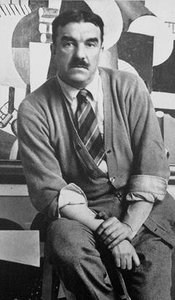
1881 - 1955 , Prancūzija

Explore 10 iconic paintings where dark olive green reigns supreme! From Van Gogh to Rembrandt, discover art history's most captivating masterpieces & the stories behind them. Find museum-quality reproductions and curated decor ideas at .
Atraskite 25 įspūdingiausius Džoano Miro kūrinius! Sužinokite apie jo surrealizmą, spalvingus paveikslus ir katalonų meninę viziją. Meno reprodukcijos jūsų interjerui – Most-Famous-Paintings.com
Atraskite 10 legendinių kubizmo šedevrų! Pažinkite Picassą, Braką ir kitus menininkus. Sužinokite apie spalvas, stilių bei meno istoriją. Aukštos kokybės dailės reprodukcijos jūsų interjerui – Most-Famous-Paintings.com.

Explore 10 Cubist masterpieces by Picasso, Braque & more! Discover the stories behind these revolutionary paintings and their impact on modern art. Find museum-quality reproductions for your home at Most-Famous-Paintings.com – where art comes to life.

Explore 10 revolutionary Cubist portraits by Picasso, Braque & more! Discover the stories behind these iconic paintings and how they shaped modern art. Find museum-quality reproductions to elevate your home decor on Most-Famous-Paintings.com.


Sekite naujausias meno naujienas, išskirtinius pasiūlymus ir dekoravimo idėjas.
Pasakokite mums apie savo projektą, o mūsų meno ekspertai parengs jums 3 asmeniškus meno pasiūlymus.
Leiskite mums parinkti 3 variantus būtent jums – nemokamai!


 Dalintis


 Skaityti daugiau







 Stiklo variantas prieinamas tik pasirinkus dydį iki 110 cm


