


x

 Acrylic On CanvasWallArtSurrealism
 1952Modern
 24.0 x 28.0 cm
Rankiniu būdu tapytas aliejus ant droblio jūsų pageidaujamame dydį ir rėmuose – mūsų menininkų darbas pagal užsakymą. ( Pirkti spaudinį Pirkti vaizdą)





























Pasirinkite iš mūsų nustatytų dydžių, atitinkančių originalaus meno kūrinio proporcijas.

Galite įvesti savo matmenis, kad jie atitiktų konkretų rėmą ar erdvę. Jei pasirinktas dydis neatitinka originalaus paveikslėlio proporcijų, mes arba apkropsime meno kūrinį, arba papildysime tapybą rankomis dažytい elementais. Prieš pradėdami gamybą, jūsų patvirtinimui atsiųsime skaitmeninį maketą.
Atkreipkite dėmesį, kad ekrane rodomas vaizdas neatspindi tikrojo apkarpymo ar papildymo. Tik maketas tiksliai parodys galutinę kompoziciją.
Nors galima rinktis ir individualius dydžius, rekomenduojame pasirinkti matmenis iš nustatytos sąrašo, kad būtų išlaikytos originalios proporcijos.
Pristatymas visame pasaulyje () per 3–4 savaites, o ne įprastai – per 5 savaites. (23 rugpjūtis). Kokybė lieka nepakeičiama.


Rooster and logs
Reprodukcijos matmenys
Fernand Léger's 1952 painting, “Rooster and Logs,” is a captivating exploration of form and the burgeoning influence of the machine age on artistic expression. Executed during a period of significant transition for Léger – moving beyond his earlier Cubist explorations towards a more overtly expressive style – this work embodies his fascination with industrial geometry and its integration into everyday life. Measuring 24 x 28 cm, the painting’s compact scale belies the powerful visual statement it makes. The immediate impact is dominated by the vibrant red of the rooster, a bold focal point that commands attention against the stark black background. This deliberate contrast immediately evokes associations with machinery – the polished surfaces of engines and the fiery intensity of combustion – key elements in Léger’s evolving aesthetic.
While often categorized as Surrealist due to its dreamlike quality and unexpected juxtapositions, “Rooster and Logs” reveals a deeper engagement with Léger's own unique vision. The painting’s creation in 1952 aligns it within the broader context of Surrealism’s exploration of the subconscious, yet Léger resists pure abstraction. Instead, he employs simplified geometric forms – evident in the stylized depiction of the rooster and the blocky representation of the logs – to convey a sense of mechanized movement and structure. The inclusion of seemingly mundane objects—the scissors and pipe—further amplifies this symbolism, transforming them into visual metaphors for tools and instruments within an increasingly industrialized world. These elements aren’t merely decorative; they actively contribute to the painting's narrative about humanity’s relationship with technology.
Léger’s technique in “Rooster and Logs” is characterized by a deliberate flatness of picture plane, a hallmark of his mature style. The application of paint is broad and gestural, creating a textured surface that emphasizes the physicality of the forms. The use of black as a dominant background color isn't simply a stylistic choice; it serves to heighten the impact of the red rooster, pushing it forward in the composition and reinforcing its symbolic importance. The arrangement of the elements – the rooster perched atop the logs, with the scissors and pipe strategically placed—creates a dynamic tension within the frame, drawing the viewer’s eye across the canvas and inviting contemplation about the interplay between nature and industry.
Created in 1952, “Rooster and Logs” reflects Fernand Léger’s long and influential career. Having begun his artistic journey in Argentan, Normandy, he rose to prominence within the Parisian avant-garde, developing a distinctive style that blended Cubist principles with an acute awareness of modern technology. His work anticipated many of the concerns surrounding industrialization and its impact on human experience, making him a crucial figure in the transition from early 20th-century abstraction to later developments in art. This painting stands as a testament to his enduring fascination with form, color, and the evolving relationship between man and machine – a legacy that continues to resonate within contemporary art discourse.
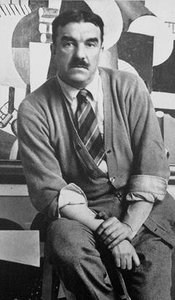
1881 - 1955 , Prancūzija
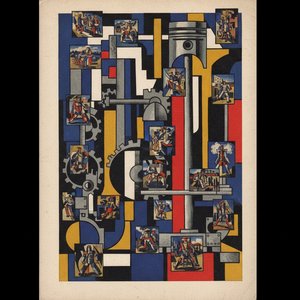
Atraskite 25 įspūdingiausius Fernand Léger šedevrus! Kubizmo meistro paveikslai, atspindintys pramonės amžių ir modernaus meno spalvas. Meno reprodukcijos interjerui – Most-Famous-Paintings.com

Explore the art of transforming spaces with our comprehensive guide to wall decor. From historical movements to contemporary trends, discover how to curate impactful interiors and commission bespoke artwork for a truly personalized aesthetic.

Explore 10 iconic artworks capturing the Industrial Revolution’s grit & beauty. From Monet to Manet, discover realism, impressionism & powerful scenes of urban life. Find museum-quality reproductions for your home at Most-Famous-Paintings.com.
Atraskite freskų renesansą interjeruose! Ekspertai pataria dėl sienų tapybos technikų, stilių ir įgyvendinimo. Prabangus dizainas viešbučiams ir privatiems namams. Užsisakykite individualius meno kūrinius.

Transform your home into a breathtaking dreamscape with expert surrealist decor tips. Discover how to curate Salvador Dalí-inspired masterpieces, integrate symbolic textures, and commission bespoke hand-painted oil reproductions that bring the magic of the subconscious to your walls.


Sekite naujausias meno naujienas, išskirtinius pasiūlymus ir dekoravimo idėjas.
Pasakokite mums apie savo projektą, o mūsų meno ekspertai parengs jums 3 asmeniškus meno pasiūlymus.
Leiskite mums parinkti 3 variantus būtent jums – nemokamai!


 Peržiūrėti realybėje
 Pasidalinti
 Dalintis
 Išsamiau

 Atsisiųsti
 Panašūs eksponatai
 Rentgeno nuotrauka
 Automatinė diorama
 Skaityti daugiau







 Stiklo variantas prieinamas tik pasirinkus dydį iki 110 cm


