


x

Rankiniu būdu tapytas aliejus ant droblio jūsų pageidaujamame dydį ir rėmuose – mūsų menininkų darbas pagal užsakymą. ( Pirkti spaudinį Pirkti vaizdą)





























Pasirinkite iš mūsų nustatytų dydžių, atitinkančių originalaus meno kūrinio proporcijas.

Galite įvesti savo matmenis, kad jie atitiktų konkretų rėmą ar erdvę. Jei pasirinktas dydis neatitinka originalaus paveikslėlio proporcijų, mes arba apkropsime meno kūrinį, arba papildysime tapybą rankomis dažytい elementais. Prieš pradėdami gamybą, jūsų patvirtinimui atsiųsime skaitmeninį maketą.
Atkreipkite dėmesį, kad ekrane rodomas vaizdas neatspindi tikrojo apkarpymo ar papildymo. Tik maketas tiksliai parodys galutinę kompoziciją.
Nors galima rinktis ir individualius dydžius, rekomenduojame pasirinkti matmenis iš nustatytos sąrašo, kad būtų išlaikytos originalios proporcijos.
Pristatymas visame pasaulyje () per 3–4 savaites, o ne įprastai – per 5 savaites. (14 rugpjūtis). Kokybė lieka nepakeičiama.


Still Life4
Reprodukcijos matmenys
Fernand Léger's Still Life4 offers a captivating glimpse into the artist’s revolutionary approach to depicting the modern world – a world increasingly defined by industry, mechanics, and the burgeoning influence of urban life. This meticulously rendered composition transcends the traditional still-life genre, becoming instead a powerful statement about the integration of these new forms into artistic expression. Léger, born Joseph Fernand Henri Léger in 1881 in Argentan, Normandy, was profoundly shaped by his rural upbringing, an experience that would later inform his unique vision when he moved to Paris around 1900. Unlike many artists of his time who sought refuge in pure abstraction, Léger embraced a deliberately structured abstraction, one that actively engaged with the dynamism and geometric precision of the machine age.
Léger's artistic journey was inextricably linked to the broader intellectual and cultural currents of his time. Emerging in the early 20th century, he was part of a movement that challenged the conventions of traditional art – particularly those of Impressionism. The influence of Cubism is evident, but Léger pushed beyond mere fragmentation, seeking to *construct* new forms based on observed reality, specifically the shapes found in machines and urban landscapes. This approach, known as Tubism (named after his studio, “Les Tubes”), aimed to capture not just the appearance of objects but their underlying structure and movement. The deliberate use of repetition and geometric patterns reflects Léger’s belief that these were the fundamental elements of modern life.
Beyond its formal qualities, Still Life4 possesses a subtle emotional resonance. The carefully arranged objects evoke a feeling of quiet contemplation – a space for rest and reflection amidst the relentless pace of modern life. The open book suggests intellectual curiosity and the pursuit of knowledge, while the plants introduce an element of natural beauty and tranquility. Léger’s deliberate use of texture and form creates a sense of tactile engagement, inviting the viewer to connect with the objects on a visceral level. This piece is not simply a representation of still life; it's a meditation on the relationship between humanity and technology, domesticity and industry.
Most-Famous-Paintings.com offers meticulously crafted hand-painted reproductions of Fernand Léger’s Still Life4, allowing you to bring this iconic artwork into your home or office. Each reproduction is created using the highest quality materials and techniques, ensuring exceptional detail and color accuracy. Whether you are an art collector, interior designer, or simply someone who appreciates beautiful art, a Most-Famous-Paintings.com reproduction of Still Life4 will be a stunning addition to any space.

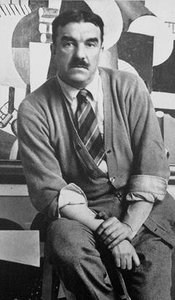
1881 - 1955 , Prancūzija

Elevate your design projects with Most-Famous-Paintings's premium canvas prints and hand-painted reproductions. Discover affordable, museum-quality wall decor delivered worldwide, offering freelance decorators professional excellence, archival durability, and bespoke customization for every space.


Sekite naujausias meno naujienas, išskirtinius pasiūlymus ir dekoravimo idėjas.
Pasakokite mums apie savo projektą, o mūsų meno ekspertai parengs jums 3 asmeniškus meno pasiūlymus.
Leiskite mums parinkti 3 variantus būtent jums – nemokamai!


 Peržiūrėti realybėje
 Pasidalinti
 Dalintis
 Išsamiau

 Atsisiųsti
 Panašūs eksponatai
 Rentgeno nuotrauka
 Automatinė diorama

 Skaityti daugiau







 Stiklo variantas prieinamas tik pasirinkus dydį iki 110 cm


