


x


 Preview
 Užsisakyti kopiją Pirkti skaitmeninį paveikslą
 Pasidalinti
 Išsamiau
 Pridėti į mėgstamiausius
 Atsisiųsti
 Panašūs eksponatai
 Rentgeno nuotrauka
 Automatinė diorama
Muziejų lygio „giclée“ arba drobos spausdinimas: greita gamyba ir lankstios apdailos parinktys.





























Pasirinkite iš mūsų nustatytų dydžių, atitinkančių originalaus meno kūrinio proporcijas.

Galite nurodyti savo matmenis, kad vaizdas atitiktų konkretų rėmą ar erdvę. Jei pasirinktas dydis nesutaps su originalaus paveikslėlio proporcijomis, mes arba apkirpsime kūrinį, arba išplėsime vaizdą naudojant veideliu atspindėtą arba vientisą šoną. Skaitmeninis maketas bus išsiųstas jums patvirtinti prieš pradedant gamybą.
Atkreipkite dėmesį, kad ekrane matomas vaizdinys neatspindi tikrojo apkirpimo ar išplėtimo. Tik maketas tiksliai parodytų galutinę kompoziciją.
Nors galima rinktis ir individualius dydžius, rekomenduojame pasirinkti vieną iš išanksti nustatytų matmenų, kad būtų išlaikytos originalios proporcijos.
Pristatymas visame pasaulyje () per 2 weeks, o ne įprastas 4/5 savaičių laikotarpis. (24 liepa)


The Big Parade
Reprodukcijos matmenys
Fernand Léger's "The Big Parade," painted during the vibrant and transformative period of early 20th-century modernism, is more than just a depiction of a bustling crowd; it’s a profound meditation on the relationship between humanity and industry. Emerging from the rural landscapes of Argentan, Normandy, Léger embarked on a radical artistic journey, rejecting traditional representational art in favor of a style that boldly embraced the dynamism and geometric forms of the burgeoning machine age. This large-scale canvas pulsates with energy, capturing not just a scene but an entire era’s anxieties and aspirations – a world rapidly being reshaped by steel, concrete, and relentless progress.
Léger’s artistic choices are laden with symbolic meaning. The fragmented figures aren't merely stylistic flourishes; they represent a deliberate attempt to capture the essence of modern humanity – broken down, reassembled, and ultimately integrated into the machine world. The recurring cylindrical forms—wheels, gears, pipes—are not simply decorative elements but powerful symbols of industrial power and its influence on human life. Notice how some figures seem almost mechanical in their posture, reflecting a growing sense of alienation within an increasingly industrialized society. However, amidst this apparent fragmentation, Léger also seeks to affirm the enduring spirit of humanity, suggesting that even within the constraints of modern existence, individuals can retain a sense of dignity and purpose.
"The Big Parade" is not a comfortable or sentimental work; it’s a challenging, even unsettling, portrayal of modernity. Yet, within its fractured forms and bold colors lies a profound sense of energy and optimism. Léger wasn't simply documenting the present; he was envisioning a future – one where art could embrace the complexities and contradictions of the machine age. His influence extended far beyond his own time, impacting subsequent generations of artists who sought to explore themes of technology, urban life, and the human condition. Today, “The Big Parade” continues to resonate with viewers, prompting reflection on our relationship with technology and the ever-evolving nature of society.
Artist: Fernand Léger Birth Year: 1881 Death Year: 1955
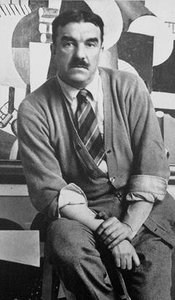
1881 - 1955 , Prancūzija
Atraskite 25 įspūdingiausius Džoano Miro kūrinius! Sužinokite apie jo surrealizmą, spalvingus paveikslus ir katalonų meninę viziją. Meno reprodukcijos jūsų interjerui – Most-Famous-Paintings.com
Atraskite 10 legendinių kubizmo šedevrų! Pažinkite Picassą, Braką ir kitus menininkus. Sužinokite apie spalvas, stilių bei meno istoriją. Aukštos kokybės dailės reprodukcijos jūsų interjerui – Most-Famous-Paintings.com.

Explore 10 Cubist masterpieces by Picasso, Braque & more! Discover the stories behind these revolutionary paintings and their impact on modern art. Find museum-quality reproductions for your home at Most-Famous-Paintings.com – where art comes to life.

Atraskite kubizmo įtaką šiuolaikinių vilų dizainui! Ekspertai pataria dėl spalvų, formų ir teisinių aspektų. Sukurkite unikalią, estetišką erdvę su mūsų pagalba.

Explore 10 revolutionary Cubist portraits by Picasso, Braque & more! Discover the stories behind these iconic paintings and how they shaped modern art. Find museum-quality reproductions to elevate your home decor on Most-Famous-Paintings.com.


Sekite naujausias meno naujienas, išskirtinius pasiūlymus ir dekoravimo idėjas.
Pasakokite mums apie savo projektą, o mūsų meno ekspertai parengs jums 3 asmeniškus meno pasiūlymus.
Leiskite mums parinkti 3 variantus būtent jums – nemokamai!


 Dalintis


 Skaityti daugiau







 Stiklo variantas prieinamas tik pasirinkus dydį iki 110 cm


