x

Muziejų lygio „giclée“ arba drobos spausdinimas: greita gamyba ir lankstios apdailos parinktys. ( Pirkti rankomis tapytą paveikslą Pirkti vaizdą)





























Pasirinkite iš mūsų nustatytų dydžių, atitinkančių originalaus meno kūrinio proporcijas.

Galite nurodyti savo matmenis, kad vaizdas atitiktų konkretų rėmą ar erdvę. Jei pasirinktas dydis nesutaps su originalaus paveikslėlio proporcijomis, mes arba apkirpsime kūrinį, arba išplėsime vaizdą naudojant veideliu atspindėtą arba vientisą šoną. Skaitmeninis maketas bus išsiųstas jums patvirtinti prieš pradedant gamybą.
Atkreipkite dėmesį, kad ekrane matomas vaizdinys neatspindi tikrojo apkirpimo ar išplėtimo. Tik maketas tiksliai parodytų galutinę kompoziciją.
Nors galima rinktis ir individualius dydžius, rekomenduojame pasirinkti vieną iš išanksti nustatytų matmenų, kad būtų išlaikytos originalios proporcijos.
Pristatymas visame pasaulyje () per 2 weeks, o ne įprastas 4/5 savaičių laikotarpis. (22 rugpjūtis)


The part of Chart
Reprodukcijos matmenys
Fernand Léger stands as a singular voice within the tumultuous landscape of early twentieth-century art, resisting the prevailing trend toward abstraction while simultaneously forging a path towards its expressive potential. Born Joseph Fernand Henri Léger in Argentan, Normandy, in 1881, his formative years amidst rural traditions provided a crucial counterpoint to the burgeoning industrial revolution that would irrevocably reshape European culture and profoundly influence his artistic vision.
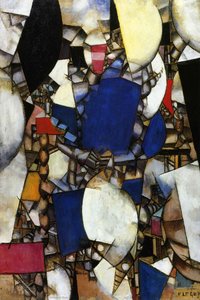
"The Part of Chart," completed in 1917, exemplifies Léger's Tubist aesthetic with remarkable clarity. The painting depicts a group of figures seated on the ground amidst bicycles—a scene deliberately devoid of realistic detail but brimming with symbolic significance. Léger’s masterful use of tubular forms dominates the composition, conveying a sense of movement and suggesting the relentless pace of industrial society.
The palette is restrained yet impactful, utilizing primary colors accented by green, black, and white—a deliberate choice that underscores Léger's commitment to reducing visual information to its most essential components. The fragmented geometric shapes create an illusion of depth and perspective without resorting to traditional techniques, reflecting Léger’s belief in the transformative power of abstraction.
Beyond its formal qualities, “The Part of Chart” speaks to broader themes—community, interaction, and the human condition amidst technological advancement. Léger's simplification isn’t merely stylistic; it serves as a conduit for conveying emotional resonance. The figures are rendered with minimal anatomical detail, prioritizing expressive gesture and posture over precise representation.
Considered a forerunner of Pop Art, Léger’s work anticipates the movement’s fascination with commonplace subjects—the bicycle, in particular—and its rejection of academic conventions. He sought to capture not just what he saw but *how* it felt—a humanist impulse that distinguishes him from many abstract artists of his time.
Fernand Léger’s unwavering dedication to geometric abstraction cemented his place as a pivotal figure in modern art history. His influence extended beyond painting into sculpture, filmmaking, and design—demonstrating the breadth of his artistic vision. Today, reproductions of “The Part of Chart” continue to inspire collectors and interior designers alike, offering a glimpse into Léger’s groundbreaking exploration of form and symbolism.

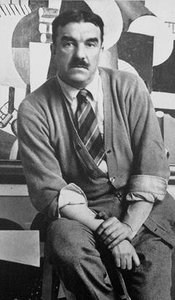
1881 - 1955 , Prancūzija

Explore the radical world of Constructivism. Discover how pioneers like Tatlin and Rodchenko used geometric abstraction to redefine modern art through industrial form and social purpose. A deep dive into the Russian avant-garde for students and collectors alike.

Explore the profound impact of Minimalism and Geometric Abstraction. From Mondrian to Malevich, discover how stripping art to its essential forms revolutionized modern aesthetics through our expert-led historical guide.


Sekite naujausias meno naujienas, išskirtinius pasiūlymus ir dekoravimo idėjas.
Pasakokite mums apie savo projektą, o mūsų meno ekspertai parengs jums 3 asmeniškus meno pasiūlymus.
Leiskite mums parinkti 3 variantus būtent jums – nemokamai!


 Peržiūrėti realybėje
 Pasidalinti
 Dalintis
 Išsamiau

 Atsisiųsti
 Panašūs eksponatai
 Rentgeno nuotrauka
 Automatinė diorama

 Skaityti daugiau







 Stiklo variantas prieinamas tik pasirinkus dydį iki 110 cm