x

 AcrylicWallArtPurist Cubism
 52.0 x 42.0 cm
Muziejų lygio „giclée“ arba drobos spausdinimas: greita gamyba ir lankstios apdailos parinktys. ( Pirkti rankomis tapytą paveikslą Pirkti vaizdą)





























Pasirinkite iš mūsų nustatytų dydžių, atitinkančių originalaus meno kūrinio proporcijas.

Galite nurodyti savo matmenis, kad vaizdas atitiktų konkretų rėmą ar erdvę. Jei pasirinktas dydis nesutaps su originalaus paveikslėlio proporcijomis, mes arba apkirpsime kūrinį, arba išplėsime vaizdą naudojant veideliu atspindėtą arba vientisą šoną. Skaitmeninis maketas bus išsiųstas jums patvirtinti prieš pradedant gamybą.
Atkreipkite dėmesį, kad ekrane matomas vaizdinys neatspindi tikrojo apkirpimo ar išplėtimo. Tik maketas tiksliai parodytų galutinę kompoziciją.
Nors galima rinktis ir individualius dydžius, rekomenduojame pasirinkti vieną iš išanksti nustatytų matmenų, kad būtų išlaikytos originalios proporcijos.
Pristatymas visame pasaulyje () per 2 weeks, o ne įprastas 4/5 savaičių laikotarpis. (19 rugpjūtis)


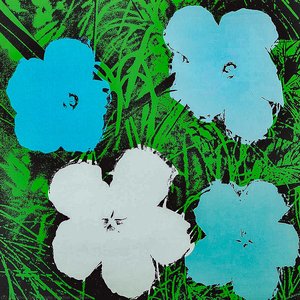
The yellow flower
Reprodukcijos matmenys
Fernand Léger’s “The Yellow Flower” is more than just a depiction of a flower; it's a vibrant declaration of the burgeoning machine age, rendered with the distinctive energy and geometric precision that defined his purist style. Measuring 52 x 42 cm, this painting immediately draws the eye to its central subject – a sunflower or daisy bursting forth in shades of yellow and green – yet it’s the surrounding elements and Léger's unique approach that truly elevate the work. The circle, a recurring motif in Léger’s oeuvre, isn’t merely decorative; it represents the cyclical nature of industrial processes and the inherent order within apparent chaos.
Born in 1881 in Argentan, Normandy, Fernand Léger’s early life was profoundly influenced by the agricultural landscape. This grounding experience would later inform his artistic vision as he sought to translate the rhythms of rural labor into a powerful visual language. His arrival in Paris around 1900 coincided with the rise of modernism and the increasing dominance of industrialization. Léger responded to this shift not with rejection, but with an embrace – a desire to integrate the spirit of the machine age into his art. He was deeply interested in the forms of factories, trains, and other machines, believing that they represented a new kind of beauty: one based on strength, efficiency, and geometric precision.
Key Influences:“The Yellow Flower” exemplifies Léger’s distinctive technique, characterized by a thick, textured application of paint. He employed a palette knife to build up layers of color, creating a palpable sense of physicality and movement. The bold use of ochre, yellow, and green creates a striking visual impact, while the subtle variations in tone add depth and complexity to the composition. The surface is deliberately uneven, reflecting Léger’s desire to capture not just the appearance of objects but also their underlying structure and energy. This tactile quality invites viewers to engage with the painting on a visceral level.
Beyond its formal qualities, “The Yellow Flower” evokes a powerful sense of optimism and dynamism. It’s a celebration of modernity – a testament to human ingenuity and our ability to shape the world around us. Léger's work continues to resonate with viewers today because it captures a pivotal moment in art history—the transition from traditional representation to abstraction, and his bold vision remains as relevant and compelling as ever. This reproduction offers an exceptional opportunity to own a piece of this influential artist’s legacy.

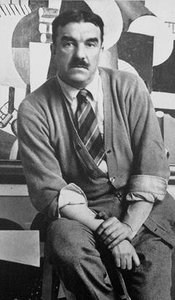
1881 - 1955 , Prancūzija

Explore the profound impact of Minimalism and Geometric Abstraction. From Mondrian to Malevich, discover how stripping art to its essential forms revolutionized modern aesthetics through our expert-led historical guide.


Sekite naujausias meno naujienas, išskirtinius pasiūlymus ir dekoravimo idėjas.
Pasakokite mums apie savo projektą, o mūsų meno ekspertai parengs jums 3 asmeniškus meno pasiūlymus.
Leiskite mums parinkti 3 variantus būtent jums – nemokamai!


 Peržiūrėti realybėje
 Pasidalinti
 Dalintis
 Išsamiau

 Atsisiųsti
 Panašūs eksponatai
 Rentgeno nuotrauka
 Automatinė diorama
 Skaityti daugiau







 Stiklo variantas prieinamas tik pasirinkus dydį iki 110 cm