x

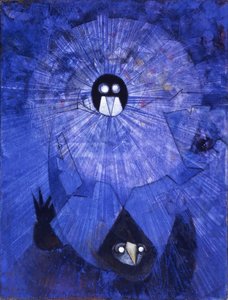
 102.0 x 61.0 cm
 The Fleming Collection
Įsigykite aukštos skiriamosios raiškos, patobulintą skaitmeninį vaizdą, gerokai pranašesnį už internetinę peržiūrą.
Kiekvieną failą mūsų specialistai kruopščiai paruošia naudojant pažangias technologijas ir profesionalų rankinį retušavimą. Užtikriname, kad kiekvienas vaizdas pasižymėtų išskirtiniu aiškumu, tikslia spalvų atspalviu ir smulkiomis detalėmis.
Baigiamas failas el. paštu pristatomas per 72 valandas; jis optimizuotas nedelsiant naudojimui profesionalioje, redakcinėje ir spausdinimo aplinkoje. Tai ta pati kokybė, kuria pasitiki aukščiausios klasės dizaino studijos, leidyklos ir galerijos.
Atsisiųskite didelės raiškos failą asmeniniam naudojimui, spausdinimui ir kūrybiniams projektams. ( Pirkti spaudinį Pirkti rankomis tapytą paveikslą)
Pasirinkę Most-Famous-Paintings.com, jūs ne tik gaunate paveikslėlį – jūs gaunate profesionaliai patobudintą skaitmeninį kūrinį, sukurtą itin tikniai ir užtikrinantį pasitenkinimą. Štai viską, kas automatiškai pritékia jūsų užsakymui:

Jūsų aukštos raiškos skaitmeninis vaizdo failas bus išsiųstas jums el. paštu per 72 valaudas nuo užsakymo – paruoštas naudojimui be jokių papildomų veiksmų.

Jūsų meno kūrinys profesionaliai optimizuojamas naudojant pažangius dirbtinio intelekto įrankius ir rankinį redagavimą, užtikrinant maksimalią detalę, aiškumą ir spalvų tikslumą.

Atsitiktinai ištrytikote ar praradote savo failą? Nebijokite – bet kuriuo metu atsiųsime jį jums vėl nemokamai.

Mėgaukitės savo meno kūriniu akimirka – skaitiniai failai visada yra neapmokestinami, todėl nereikės mokėti muitinės, mokesčių ar pristatymo mokesčių.

Naudodami profesionalią įrangą ir spalvų valdymo sistemas, užtikriname, kad jūsų skaitmeninis vaizdas kuo tiksliau atspindėtų originalias spalvas.

Jei nebuvate patenkinti savo skaitinio vaizdo, per 60 dienų jį pertaisysime arba grąkinsime 100% sumą – be jokių klausimų.

Nepat 만족inti? Gaukite visą sumokėtą sumą per 60 dienų nuo skaitmeninio failo gavimo – be jokių papildomų klausimų.

Pirkti 3 nuotraukas – pasiūla 10% - Pirkti 5 – pasiūla 15% - Pirkti 10 ir daugiau – pasiūla 20%. Puikiai tinka kūrybiniams projektams, galerijoms bei agentūroms.

Flora Macdonald Reid was an artist who possessed a rare gift for finding the extraordinary within the ordinary. Born in London in 1860 to Scottish parents, her early years were shaped by a rich cultural tapestry that spanned from the bustling streets of Islington to the academic rigor of Edinburgh. As a child, she moved with her family to Scotland, where her artistic sensibilities were first nurtured at the Trustees Academy School of Art. This formative period was deeply influenced by her brother, the esteemed painter John Robertson Reid, who served as both a sibling and a mentor. Under his guidance, Flora developed a keen eye for the subtle interplay of light and shadow, a skill that would become the hallmark of her mature work. Her upbringing was one of shared creative passion, as her sisters Elizabeth and Janet were also accomplished artists, creating a familial atmosphere where art was not merely a pursuit but a way of life.
The trajectory of Reid’s career was marked by a remarkable sense of movement and international curiosity. In 1881, she returned to London with her siblings, settling in the vibrant area of Haverstock Hill. This period saw her emergence on the prestigious stages of the British art world; by the age of sixteen, she was already exhibiting at the Royal Scottish Academy, and as she matured, her work graced the walls of the Royal Academy in London and the Royal Glasgow Institute of the Fine Arts. Her ambitions, however, were never confined to the British Isles. Reid’s travels took her through Norway, France, and Belgium, allowing her to absorb the diverse atmospheres of Europe. This cosmopolitan journey culminated in significant international recognition, most notably at the 1900 Exposition Universelle in Paris, where she was awarded a bronze medal for her painting Faith (later known as A Bruges Market Place), and her participation in the groundbreaking Woman's Building at the 1893 World's Columbian Exposition in Chicago.
While her training was rooted in classical observation, Reid’s true artistic soul found its most profound expression in the landscapes and lives of Cornwall. Between 1891 and 1907, she lived in the coastal villages of Looe and Polperro, a decade that would fundamentally transform her palette and subject matter. It was here that her work transitioned into a beautiful synthesis of realism and Impressionism. She became a chronicler of the Cornish way of life, capturing the rhythmic toil of fishermen hauling nets and the vibrant, sun-drenched energy of local marketplaces. Her canvases are celebrated for their ability to convey the fleeting effects of light—the way a golden afternoon glow settles upon a thatched cottage or how dappled sunlight dances across a crowded market stall.
Reid’s technique was characterized by a meticulous attention to detail that never sacrificed the emotional weight of the scene. While she primarily worked in oils, her occasional forays into etching and pastel demonstrated a versatile mastery over different textures and mediums. Her subjects were rarely grand or heroic; instead, she found dignity in the everyday. Whether depicting The Flemish Lacemaker or scenes of women engaged in domestic tasks, she imbued her figures with a quiet, soulful presence. This focus on the working classes and the beauty of mundane existence allowed her to create works that resonate with a timeless, human quality. Her ability to blend the precise observation of a realist with the atmospheric sensitivity of an Impressionist ensured that her paintings were not merely records of a place, but emotional evocations of a moment in time.
The historical significance of Flora Macdonald Reid lies in her role as a prominent female voice during a transformative era for British art. In an age where women artists often struggled for recognition, Reid achieved sustained success on the international stage, proving herself a formidable talent capable of competing in the most prestigious salons of Europe. Her work serves as a vital visual record of late 19th and early 20th-century life, preserving the textures of Cornish maritime culture and the bustling energy of European marketplaces with an intimacy that few others could achieve.
Today, her contributions are honored in several esteemed collections, ensuring that her luminous vision continues to inspire. Her legacy is defined by:

1860 - 1938


Sekite naujausias meno naujienas, išskirtinius pasiūlymus ir dekoravimo idėjas.
Pasakokite mums apie savo projektą, o mūsų meno ekspertai parengs jums 3 asmeniškus meno pasiūlymus.
Leiskite mums parinkti 3 variantus būtent jums – nemokamai!


 Peržiūrėti realybėje
 Pasidalinti
 Dalintis
 Išsamiau

 Atsisiųsti
 Panašūs eksponatai
 Rentgeno nuotrauka
 Automatinė diorama
 Skaityti daugiau