


x

 Oil On CanvasWallArtExpressionism
 1973Modern
 198.0 x 148.0 cm
Rankiniu būdu tapytas aliejus ant droblio jūsų pageidaujamame dydį ir rėmuose – mūsų menininkų darbas pagal užsakymą. ( Pirkti spaudinį Pirkti vaizdą)





























Pasirinkite iš mūsų nustatytų dydžių, atitinkančių originalaus meno kūrinio proporcijas.

Galite įvesti savo matmenis, kad jie atitiktų konkretų rėmą ar erdvę. Jei pasirinktas dydis neatitinka originalaus paveikslėlio proporcijų, mes arba apkropsime meno kūrinį, arba papildysime tapybą rankomis dažytい elementais. Prieš pradėdami gamybą, jūsų patvirtinimui atsiųsime skaitmeninį maketą.
Atkreipkite dėmesį, kad ekrane rodomas vaizdas neatspindi tikrojo apkarpymo ar papildymo. Tik maketas tiksliai parodys galutinę kompoziciją.
Nors galima rinktis ir individualius dydžius, rekomenduojame pasirinkti matmenis iš nustatytos sąrašo, kad būtų išlaikytos originalios proporcijos.
Pristatymas visame pasaulyje () per 3–4 savaites, o ne įprastai – per 5 savaites. (23 rugpjūtis). Kokybė lieka nepakeičiama.


Self-portrait, private
Reprodukcijos matmenys
To encounter Francis Bacon’s Self-Portrait, painted in 1973, is to step into a profound confrontation with the self. This is not a mere likeness, but a haunting testament to the artist’s lifelong preoccupation with psychological torment and the fragmented nature of identity. Created during a period of intense personal upheaval—marked by the shadows of a difficult divorce and the heavy weight of recurring depression—the painting transcends traditional portraiture. It delves into the very core of human experience, presenting a figure that embodies both extreme vulnerability and a quiet, stubborn defiance. The subject, captured in a moment of deep introspection, sits before a sink with his head resting heavily upon a table, a posture that suggests an exhaustion far deeper than mere physical fatigue.
The atmosphere of the work is one of heavy, quiet reflection, where the boundaries between the internal mind and the external world begin to blur. Through the presence of everyday objects—a clock hanging on the wall, the formal touch of a necktie, and the stark geometry of chairs—Bacon grounds this existential crisis in a tangible, domestic reality. This juxtaposition of the mundane with the deeply unsettling creates a tension that is characteristic of his most powerful works, making it an irresistible piece for collectors who seek art that provative, intellectual, and emotionally resonant.
Bacon’s mastery lies in his rejection of academic perfection in favor of visceral honesty. As a cornerstone of the Expressionist movement, he eschewed meticulous detail to prioritize raw, unadulterated emotion. His technique is a sophisticated dance of textures; he employed a distinctive layering process, applying thin, translucent washes of paint that are suddenly interrupted by thick, aggressive impasto strokes. These heavier applications are strategically placed around the eyes and mouth, creating a pulsating, energetic surface that mimics the flickering instability of human thought. This method allows the canvas to breathe with a palpable physicality, as if the paint itself is struggling to contain the subject's inner turmoil.
The historical context of this piece adds a layer of profound cultural significance. Painted in the wake of the mid-20th century’s global anxieties, the work reflects a broader societal struggle with identity and trauma. Drawing inspiration from the distorted realities of Surrealism and the deep explorations of psychoanalytic theory, Bacon uses the canvas to map the subconscious. For the interior designer or art enthusiast, this painting offers more than just visual interest; it provides a window into the post-war condition, making it a sophisticated centerpiece for any collection focused on modern history and the evolution of human psychology.
Every element within the frame serves a symbolic purpose, contributing to the painting's overwhelming emotional impact. The artist’s gaze is deliberately unsettling, conveying a sense of detachment that forces the viewer into an uncomfortable intimacy with the subject. While the slumped posture may initially suggest despair, there is an underlying resilience in the way the figure occupies the space—a refusal to succumb entirely to the darkness. The prominent, striking eyes act as anchors of awareness, confronting the observer with an unflinching portrayal of inner suffering and the inescapable solitude of existence.
For those looking to integrate a high-quality reproduction into a curated space, this artwork offers a unique opportunity to introduce depth and narrative complexity. It is a piece that demands attention and lingers in the mind long after one has looked away. Whether placed in a quiet study or a bold contemporary gallery, Bacon’s Self-Portrait serves as a powerful reminder of our shared capacity for both fragility and strength, making it an enduring icon of 20th-century art.

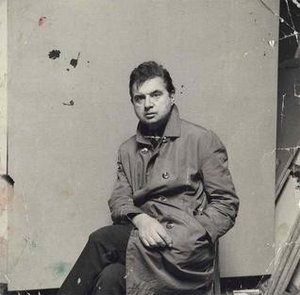
1909 - 1992 , Airija

Explore the fascinating history of self-portraiture from Renaissance masters like Dürer & Rembrandt to modern interpretations. Discover the psychological insights and artistic techniques behind these iconic works. Expert analysis for art enthusiasts.

Explore the captivating world of introspective art! Discover how artists across eras – from Rembrandt to Kahlo – used self-portraiture to reveal their inner worlds and emotional depths. A journey through art history & psychology.

Explore the rich history of self-representation in art, from Renaissance masters to modern innovators. Discover how artists use portraiture to reveal identity, emotion & the depths of the human psyche. Expert insights for collectors.

Explore the fascinating history & psychology of self-insertion into iconic art! Discover how digital tools are reshaping identity & artistic expression. Expert analysis & insights.
Atraskite 25 įspūdingiausius Egon Schiele šedevrus! Gilinkitės į ekspresionizmo pasaulį, portretų istorijas ir unikalią menininko spalvų paletę. Aukštos kokybės reprodukcijos interjerui – Most-Famous-Paintings.lt


Sekite naujausias meno naujienas, išskirtinius pasiūlymus ir dekoravimo idėjas.
Pasakokite mums apie savo projektą, o mūsų meno ekspertai parengs jums 3 asmeniškus meno pasiūlymus.
Leiskite mums parinkti 3 variantus būtent jums – nemokamai!


 Peržiūrėti realybėje
 Pasidalinti
 Dalintis
 Išsamiau

 Atsisiųsti
 Panašūs eksponatai
 Rentgeno nuotrauka
 Automatinė diorama
 Skaityti daugiau







 Stiklo variantas prieinamas tik pasirinkus dydį iki 110 cm


