


x

 Acrylic On CanvasWallArtExpressionist Abstraction
 1952
1952 66.0 x 56.0 cm
 Tate muziejus
Įsigykite aukštos skiriamosios raiškos, patobulintą skaitmeninį vaizdą, gerokai pranašesnį už internetinę peržiūrą.
Kiekvieną failą mūsų specialistai kruopščiai paruošia naudojant pažangias technologijas ir profesionalų rankinį retušavimą. Užtikriname, kad kiekvienas vaizdas pasižymėtų išskirtiniu aiškumu, tikslia spalvų atspalviu ir smulkiomis detalėmis.
Baigiamas failas el. paštu pristatomas per 72 valandas; jis optimizuotas nedelsiant naudojimui profesionalioje, redakcinėje ir spausdinimo aplinkoje. Tai ta pati kokybė, kuria pasitiki aukščiausios klasės dizaino studijos, leidyklos ir galerijos.
Atsisiųskite didelės raiškos failą asmeniniam naudojimui, spausdinimui ir kūrybiniams projektams. ( Pirkti spaudinį Pirkti rankomis tapytą paveikslą)
Pasirinkę Most-Famous-Paintings.com, jūs ne tik gaunate paveikslėlį – jūs gaunate profesionaliai patobudintą skaitmeninį kūrinį, sukurtą itin tikniai ir užtikrinantį pasitenkinimą. Štai viską, kas automatiškai pritékia jūsų užsakymui:

Jūsų aukštos raiškos skaitmeninis vaizdo failas bus išsiųstas jums el. paštu per 72 valaudas nuo užsakymo – paruoštas naudojimui be jokių papildomų veiksmų.

Jūsų meno kūrinys profesionaliai optimizuojamas naudojant pažangius dirbtinio intelekto įrankius ir rankinį redagavimą, užtikrinant maksimalią detalę, aiškumą ir spalvų tikslumą.

Atsitiktinai ištrytikote ar praradote savo failą? Nebijokite – bet kuriuo metu atsiųsime jį jums vėl nemokamai.

Mėgaukitės savo meno kūriniu akimirka – skaitiniai failai visada yra neapmokestinami, todėl nereikės mokėti muitinės, mokesčių ar pristatymo mokesčių.

Naudodami profesionalią įrangą ir spalvų valdymo sistemas, užtikriname, kad jūsų skaitmeninis vaizdas kuo tiksliau atspindėtų originalias spalvas.

Jei nebuvate patenkinti savo skaitinio vaizdo, per 60 dienų jį pertaisysime arba grąkinsime 100% sumą – be jokių klausimų.

Nepat 만족inti? Gaukite visą sumokėtą sumą per 60 dienų nuo skaitmeninio failo gavimo – be jokių papildomų klausimų.

Pirkti 3 nuotraukas – pasiūla 10% - Pirkti 5 – pasiūla 15% - Pirkti 10 ir daugiau – pasiūla 20%. Puikiai tinka kūrybiniams projektams, galerijoms bei agentūroms.
Francis Bacon's "Study for a Portrait," painted in 1952, isn’t merely a depiction of a man; it’s an excavation of the human psyche grappling with trauma and isolation. This intimate yet unsettling work, measuring just 66 x 56 cm, immediately draws the viewer into a space thick with unspoken anxieties – a testament to Bacon's profound ability to translate inner turmoil onto canvas. The painting captures a figure caught in a moment of intense, perhaps agonized, expression; his mouth agape, suggesting a scream trapped within, or a desperate plea lost in the void. The glasses and tie, seemingly mundane details, become symbols of an attempt at composure, a fragile facade struggling against the overwhelming force of emotion.
Understanding “Study for a Portrait” requires acknowledging the formative experiences that shaped Francis Bacon’s artistic vision. Born in Dublin in 1909, his childhood was marked by instability and emotional distance. Frequent moves due to his mother’s illness instilled a deep-seated sense of displacement – a feeling he would repeatedly explore throughout his career. His complex relationship with his father, coupled with the nurturing presence of his nanny, Jessie Lightfoot, further contributed to a landscape of unresolved emotions. It's crucial to note that Bacon didn’t begin painting until his late twenties, a delay that arguably intensified the urgency and raw power of his later works. This unconventional start fueled a relentless pursuit of expressing the unspoken anxieties simmering beneath the surface of human experience.
Bacon's technique is instantly recognizable – a deliberate distortion of form, a fragmentation of the figure that reflects its psychological state. He achieved this through layers of thin paint applied with rapid brushstrokes, creating a sense of movement and instability. The figures aren’t rendered realistically; instead, they are fractured, elongated, and often contorted into grotesque shapes. This stylistic choice isn't about ugliness, but rather about conveying the subjective experience of trauma – the feeling of being broken, fragmented, and utterly overwhelmed. The use of a palette knife adds to this textural intensity, creating a surface that feels both vulnerable and powerfully charged.
“Study for a Portrait” is laden with symbolic weight. The open mouth isn’t simply an expression of shouting; it represents a desperate attempt to release pent-up emotions, a futile cry for help. The glasses could symbolize a desire to see clearly through the fog of pain and confusion, while the tie suggests an adherence to societal expectations – a performance of normalcy that masks profound inner turmoil. Ultimately, the painting speaks to the universal experience of isolation, anxiety, and the struggle to maintain composure in the face of overwhelming adversity. It’s a hauntingly beautiful depiction of vulnerability, inviting viewers to confront their own anxieties and contemplate the hidden depths of the human condition.

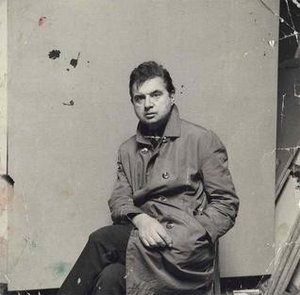
1909 - 1992 , Airija


Sekite naujausias meno naujienas, išskirtinius pasiūlymus ir dekoravimo idėjas.
Pasakokite mums apie savo projektą, o mūsų meno ekspertai parengs jums 3 asmeniškus meno pasiūlymus.
Leiskite mums parinkti 3 variantus būtent jums – nemokamai!


 Peržiūrėti realybėje
 Pasidalinti
 Dalintis
 Išsamiau

 Atsisiųsti
 Panašūs eksponatai
 Rentgeno nuotrauka
 Automatinė diorama
 Skaityti daugiau


