x

 Akrilas ant drobėsSieninis menasExpressionism
 1991Modernizmas
 198.0 x 148.0 cm
Muziejų lygio „giclée“ arba drobos spausdinimas: greita gamyba ir lankstios apdailos parinktys. ( Pirkti rankomis tapytą paveikslą Pirkti vaizdą)





























Pasirinkite iš mūsų nustatytų dydžių, atitinkančių originalaus meno kūrinio proporcijas.

Galite nurodyti savo matmenis, kad vaizdas atitiktų konkretų rėmą ar erdvę. Jei pasirinktas dydis nesutaps su originalaus paveikslėlio proporcijomis, mes arba apkirpsime kūrinį, arba išplėsime vaizdą naudojant veideliu atspindėtą arba vientisą šoną. Skaitmeninis maketas bus išsiųstas jums patvirtinti prieš pradedant gamybą.
Atkreipkite dėmesį, kad ekrane matomas vaizdinys neatspindi tikrojo apkirpimo ar išplėtimo. Tik maketas tiksliai parodytų galutinę kompoziciją.
Nors galima rinktis ir individualius dydžius, rekomenduojame pasirinkti vieną iš išanksti nustatytų matmenų, kad būtų išlaikytos originalios proporcijos.
Pristatymas visame pasaulyje () per 2 weeks, o ne įprastas 4/5 savaičių laikotarpis. (18 rugpjūtis)


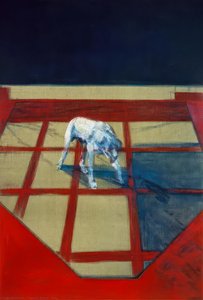
Study for a Portrait, March 1991
Reprodukcijos matmenys
Francis Bacon's Study for a Portrait, March 1991 stands as an arresting emblem of existential angst and psychological exploration within the canon of modern art. Executed in pastel on canvas in 1991, this piece resides at the National Galleries of Scotland and embodies Bacon’s singular ability to distill profound emotion into deceptively simple visual forms.
The painting depicts a solitary figure positioned before an open doorway—a motif recurrent throughout Bacon's oeuvre. This seemingly unassuming scene is imbued with dynamism through the deliberate use of perspective, drawing the viewer’s gaze toward an unseen horizon. The man’s stance exudes vulnerability, mirroring the internal turmoil that characterizes his artistic vision. Notably, a mirror reflects his image, amplifying the sense of isolation and creating a visual dialogue between the figure and its reflection—a technique characteristic of Surrealism and reflecting Bacon's preoccupation with duality.
Bacon’s masterful manipulation of pastel lends the artwork an ethereal quality. Unlike oil paint, pastel offers unparalleled subtlety in tonal gradation, allowing for nuanced rendering of textures and hues. The predominant shades of orange and red dominate the palette—colors often associated with passion, danger, and impending doom—creating a warm yet unsettling atmosphere. Bacon’s meticulous layering of pastel pigments contributes to the painting's textural richness and enhances its expressive power.
Bacon’s artistic trajectory was profoundly shaped by movements like Expressionism and Surrealism, which interrogated the boundaries between reality and imagination. Picasso’s fractured forms served as a crucial precedent for Bacon’s stylistic innovations—a deliberate rejection of traditional representational conventions in favor of conveying psychological states. The painting's context within the broader landscape of 20th-century Western art underscores Bacon’s commitment to confronting uncomfortable truths about human existence.
Beyond its formal elements, Study for a Portrait, March 1991 speaks to themes of vulnerability, uncertainty, and the inescapable confrontation with mortality. The doorway symbolizes transition—the passage from one state of being to another—while the mirror underscores the fragmented nature of identity. Bacon’s aim was not merely to depict what he saw but to convey what he felt—a visceral response to the human condition that continues to resonate powerfully with viewers today.
For those seeking a deeper understanding of Francis Bacon's artistic legacy, consider examining his other works and delving into biographical accounts. The National Galleries of Scotland’s website offers valuable resources for researching this seminal artist: Study for a Portrait March 1991. Additionally, exploring the broader context of Surrealism and Expressionism will illuminate Bacon’s artistic influences and contribute to a richer appreciation of his oeuvre.
To discover more reproductions of Francis Bacon's paintings or similar pieces inspired by his style, visit Study for a Portrait, March 1991 and explore the extensive collection on Most-Famous-Paintings.
Finally, gain insights into the artistic movements of the early 20th century by consulting 20th-century Western painting on Wikipedia.

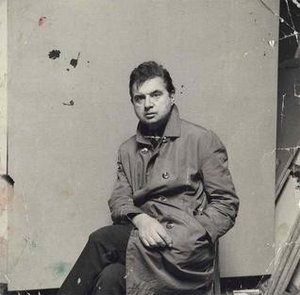
1909 - 1992 , Airija
Explore the ethereal beauty of pastel art. From Renaissance origins to Impressionist mastery, discover the history, technique, and velvety textures that define this luminous medium in our expert guide for art connoisseurs.


Sekite naujausias meno naujienas, išskirtinius pasiūlymus ir dekoravimo idėjas.
Pasakokite mums apie savo projektą, o mūsų meno ekspertai parengs jums 3 asmeniškus meno pasiūlymus.
Leiskite mums parinkti 3 variantus būtent jums – nemokamai!


 Peržiūrėti realybėje
 Pasidalinti
 Dalintis
 Išsamiau

 Atsisiųsti
 Panašūs eksponatai
 Rentgeno nuotrauka
 Automatinė diorama
 Skaityti daugiau







 Stiklo variantas prieinamas tik pasirinkus dydį iki 110 cm