


x

Įsigykite aukštos skiriamosios raiškos, patobulintą skaitmeninį vaizdą, gerokai pranašesnį už internetinę peržiūrą.
Kiekvieną failą mūsų specialistai kruopščiai paruošia naudojant pažangias technologijas ir profesionalų rankinį retušavimą. Užtikriname, kad kiekvienas vaizdas pasižymėtų išskirtiniu aiškumu, tikslia spalvų atspalviu ir smulkiomis detalėmis.
Baigiamas failas el. paštu pristatomas per 72 valandas; jis optimizuotas nedelsiant naudojimui profesionalioje, redakcinėje ir spausdinimo aplinkoje. Tai ta pati kokybė, kuria pasitiki aukščiausios klasės dizaino studijos, leidyklos ir galerijos.
Atsisiųskite didelės raiškos failą asmeniniam naudojimui, spausdinimui ir kūrybiniams projektams. ( Pirkti spaudinį Pirkti rankomis tapytą paveikslą)
Pasirinkę Most-Famous-Paintings.com, jūs ne tik gaunate paveikslėlį – jūs gaunate profesionaliai patobudintą skaitmeninį kūrinį, sukurtą itin tikniai ir užtikrinantį pasitenkinimą. Štai viską, kas automatiškai pritékia jūsų užsakymui:

Jūsų aukštos raiškos skaitmeninis vaizdo failas bus išsiųstas jums el. paštu per 72 valaudas nuo užsakymo – paruoštas naudojimui be jokių papildomų veiksmų.

Jūsų meno kūrinys profesionaliai optimizuojamas naudojant pažangius dirbtinio intelekto įrankius ir rankinį redagavimą, užtikrinant maksimalią detalę, aiškumą ir spalvų tikslumą.

Atsitiktinai ištrytikote ar praradote savo failą? Nebijokite – bet kuriuo metu atsiųsime jį jums vėl nemokamai.

Mėgaukitės savo meno kūriniu akimirka – skaitiniai failai visada yra neapmokestinami, todėl nereikės mokėti muitinės, mokesčių ar pristatymo mokesčių.

Naudodami profesionalią įrangą ir spalvų valdymo sistemas, užtikriname, kad jūsų skaitmeninis vaizdas kuo tiksliau atspindėtų originalias spalvas.

Jei nebuvate patenkinti savo skaitinio vaizdo, per 60 dienų jį pertaisysime arba grąkinsime 100% sumą – be jokių klausimų.

Nepat 만족inti? Gaukite visą sumokėtą sumą per 60 dienų nuo skaitmeninio failo gavimo – be jokių papildomų klausimų.

Pirkti 3 nuotraukas – pasiūla 10% - Pirkti 5 – pasiūla 15% - Pirkti 10 ir daugiau – pasiūla 20%. Puikiai tinka kūrybiniams projektams, galerijoms bei agentūroms.
Francis Bacon's "Study for Portrait I," painted in 1952, isn’t merely a portrait; it’s a visceral excavation of the human psyche. This arresting black and white image, part of a series exploring the complexities of identity and isolation, immediately confronts the viewer with an unsettling intimacy. The subject, seated in bed, is rendered not as a serene figure but as a being writhing under the weight of internal turmoil. Bacon’s signature style—a potent blend of expressionism and distortion—is on full display here, transforming a simple depiction into a profound meditation on vulnerability and the precariousness of existence.
The painting's genesis lies within Bacon’s deeply personal history. Born in Dublin amidst instability and familial discord, his early life instilled a sense of displacement that would permeate his art. This feeling is powerfully conveyed through the figure’s contorted features – a mouth stretched into an almost silent scream, eyes wide with a disconcerting mixture of fear and resignation. The purple robe or dressing gown, draped loosely over the body, suggests both vulnerability and confinement, hinting at a life lived within the confines of his own mind.
Bacon’s technique is deliberately unsettling. He eschewed traditional portraiture conventions, opting instead for a method he termed “attack painting.” This involved applying paint directly to the canvas with broad, gestural strokes, often using sand and oil pastels alongside the paint itself. The result isn't a smooth, polished surface; it’s a textured landscape of anxiety – ridges and valleys mirroring the emotional topography of the subject. The stark contrast between light and shadow further amplifies this effect, creating an atmosphere of claustrophobia and unease. Notice how the figure is almost dissolving into the background, blurring the boundaries between self and environment, a common motif in Bacon’s work.
“Study for Portrait I” emerged during a period of profound social and political upheaval following World War II. Bacon’s work reflects the anxieties and uncertainties of this era, capturing a sense of disillusionment and existential dread. Interestingly, Bacon frequently revisited themes of portraiture, often using them as a vehicle to explore darker aspects of human nature. The influence of artists like John Singer Sargent is evident, particularly in the initial composition – a subtle nod to Sargent’s “Portrait of Madame X,” which itself was a scandalous depiction of female beauty and sexuality. However, Bacon subverts this tradition entirely, transforming the idealized image into a harrowing portrayal of psychological vulnerability.
The painting's connection to Van Gogh is also significant; Bacon frequently drew inspiration from the tormented artist’s work, using his expressive brushstrokes and emotional intensity as a model for his own style. “Study for Portrait of Van Gogh III” demonstrates this influence directly, showcasing a similar exploration of melancholy and introspection.
Ultimately, "Study for Portrait I" is more than just a painting; it’s an invitation to confront uncomfortable truths about the human condition. The figure's silent anguish resonates with viewers on a deeply emotional level, prompting questions about identity, isolation, and the fragility of the self. It’s a testament to Bacon’s ability to translate complex psychological states into visual form—a powerful reminder that art can be both unsettling and profoundly moving. A reproduction of this work offers a unique opportunity to bring this intense portrait into your space, inviting contemplation and sparking dialogue about the enduring mysteries of human experience.

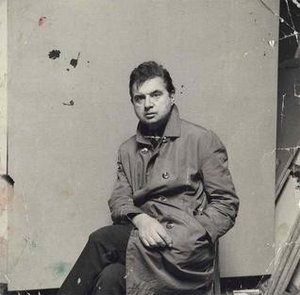
1909 - 1992 , Airija


Sekite naujausias meno naujienas, išskirtinius pasiūlymus ir dekoravimo idėjas.
Pasakokite mums apie savo projektą, o mūsų meno ekspertai parengs jums 3 asmeniškus meno pasiūlymus.
Leiskite mums parinkti 3 variantus būtent jums – nemokamai!


 Peržiūrėti realybėje
 Pasidalinti
 Dalintis
 Išsamiau

 Atsisiųsti
 Panašūs eksponatai
 Rentgeno nuotrauka
 Automatinė diorama
 Skaityti daugiau


