x

Muziejų lygio „giclée“ arba drobos spausdinimas: greita gamyba ir lankstios apdailos parinktys. ( Pirkti rankomis tapytą paveikslą Pirkti vaizdą)





























Pasirinkite iš mūsų nustatytų dydžių, atitinkančių originalaus meno kūrinio proporcijas.

Galite nurodyti savo matmenis, kad vaizdas atitiktų konkretų rėmą ar erdvę. Jei pasirinktas dydis nesutaps su originalaus paveikslėlio proporcijomis, mes arba apkirpsime kūrinį, arba išplėsime vaizdą naudojant veideliu atspindėtą arba vientisą šoną. Skaitmeninis maketas bus išsiųstas jums patvirtinti prieš pradedant gamybą.
Atkreipkite dėmesį, kad ekrane matomas vaizdinys neatspindi tikrojo apkirpimo ar išplėtimo. Tik maketas tiksliai parodytų galutinę kompoziciją.
Nors galima rinktis ir individualius dydžius, rekomenduojame pasirinkti vieną iš išanksti nustatytų matmenų, kad būtų išlaikytos originalios proporcijos.
Pristatymas visame pasaulyje () per 2 weeks, o ne įprastas 4/5 savaičių laikotarpis. (18 rugpjūtis)


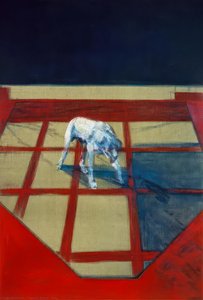
study for self-portrait, 1982
Reprodukcijos matmenys
Francis Bacon's 'Study for Self-Portrait', painted in 1982, is not merely a representation of the artist; it’s an unflinching confrontation with the anxieties and isolation inherent within the human condition. This late work, rendered in oil on canvas, embodies the core tenets of Bacon’s mature style – a brutal honesty expressed through distorted forms and unsettling color palettes. The figure, seated passively yet powerfully, captures a moment of profound contemplation, or perhaps dread, as he gazes out from an unseen window. The composition immediately draws the viewer into a space of quiet desperation, mirroring the artist's own lifelong struggle with themes of mortality, loneliness, and the grotesque.
The painting’s power resides not just in its technical execution but also in its carefully constructed symbolism. The window itself is a recurring motif in Bacon's work, representing a barrier between the self and the outside world, a space of contemplation and perhaps, ultimately, alienation. The figure’s posture – slumped, almost defeated – suggests a sense of entrapment. The cigarette, held delicately yet with an air of resignation, adds another layer of complexity. It can be interpreted as a symbol of both comfort and self-destruction, mirroring the artist's own struggles with addiction and his relentless pursuit of emotional truth.
Bacon’s technique is deliberately unsettling. The figure is rendered with a rough, almost violent brushstroke, creating a sense of unease and instability. The colors—muted browns, grays, and ochres—contribute to the painting's somber mood, while subtle hints of red suggest underlying tension and suppressed emotion. The lack of detail in the room further emphasizes the figure’s isolation, drawing attention to his internal state rather than any external context. This masterful manipulation of form and color creates a profoundly moving experience for the viewer, forcing us to confront our own anxieties about existence.
'Study for Self-Portrait' remains one of Francis Bacon’s most compelling works, a testament to his ability to translate profound psychological states into visual form. This reproduction captures not just an image but an experience – a visceral encounter with the darkest corners of the human soul. It is a piece that demands attention, invites contemplation, and ultimately, leaves a lasting impression.

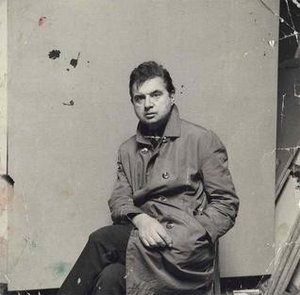
1909 - 1992 , Airija

Elevate your collection with Most-Famous-Paintings.com. Discover the exquisite differences between our hand-painted oil reproductions, archival Giclée canvases, and fine art prints. Expert guidance for discerning collectors seeking museum-quality mastery and bespoke artistry.

Discover the technical mastery behind Most-Famous-Paintings.com's premium Giclée canvas prints. Our guide for elite collectors explores archival pigment inks, museum-grade substrates, and the science of high-fidelity reproduction to ensure lasting beauty and historical accuracy.

Unlock your creative potential with Most-Famous-Paintings. Learn how art students and creators can scale their business through premium oil reproductions, print-on-demand royalties, and global distribution of their artistic legacy.


Sekite naujausias meno naujienas, išskirtinius pasiūlymus ir dekoravimo idėjas.
Pasakokite mums apie savo projektą, o mūsų meno ekspertai parengs jums 3 asmeniškus meno pasiūlymus.
Leiskite mums parinkti 3 variantus būtent jums – nemokamai!


 Peržiūrėti realybėje
 Pasidalinti
 Dalintis
 Išsamiau

 Atsisiųsti
 Panašūs eksponatai
 Rentgeno nuotrauka
 Automatinė diorama
 Skaityti daugiau







 Stiklo variantas prieinamas tik pasirinkus dydį iki 110 cm