


x

 Acrylic On CanvasWallArtExpressionist Painting
 1986
1986 198.0 x 147.0 cm
Rankiniu būdu tapytas aliejus ant droblio jūsų pageidaujamame dydį ir rėmuose – mūsų menininkų darbas pagal užsakymą. ( Pirkti spaudinį Pirkti vaizdą)





























Pasirinkite iš mūsų nustatytų dydžių, atitinkančių originalaus meno kūrinio proporcijas.

Galite įvesti savo matmenis, kad jie atitiktų konkretų rėmą ar erdvę. Jei pasirinktas dydis neatitinka originalaus paveikslėlio proporcijų, mes arba apkropsime meno kūrinį, arba papildysime tapybą rankomis dažytい elementais. Prieš pradėdami gamybą, jūsų patvirtinimui atsiųsime skaitmeninį maketą.
Atkreipkite dėmesį, kad ekrane rodomas vaizdas neatspindi tikrojo apkarpymo ar papildymo. Tik maketas tiksliai parodys galutinę kompoziciją.
Nors galima rinktis ir individualius dydžius, rekomenduojame pasirinkti matmenis iš nustatytos sąrašo, kad būtų išlaikytos originalios proporcijos.
Pristatymas visame pasaulyje () per 3–4 savaites, o ne įprastai – per 5 savaites. (22 rugpjūtis). Kokybė lieka nepakeičiama.


Study from the Human Body
Reprodukcijos matmenys
Francis Bacon’s “Study from the Human Body,” completed in 1986, stands as one chilling testament to his unwavering exploration of human vulnerability and psychological torment. Painted during a period marked by profound societal upheaval following World War II, this artwork transcends mere representation; it delves into the very core of existential dread—a preoccupation that would define Bacon’s artistic legacy.
The cage is arguably the painting’s most potent symbol. It embodies not just physical restriction but also the psychological barriers erected by fear, doubt, and self-awareness. Bacon famously stated that he wished to depict “the human body as it is,” stripped bare of illusion—a task he accomplished with unsettling precision. The yellow paint itself contributes to this symbolic resonance; historically associated with decay and illness, it underscores the fragility of existence.
“Study from the Human Body” isn’t intended to elicit comfort or reassurance. Instead, it compels viewers to confront their own anxieties about mortality and vulnerability. Bacon's masterful manipulation of color and form generates a visceral reaction—a feeling of disorientation and apprehension that lingers long after encountering the artwork. It is precisely this unflinching honesty—this refusal to sugarcoat reality—that secures its place as one of Bacon’s most enduringly disturbing yet profoundly rewarding creations.
Bacon's distinctive technique relies heavily on “thick impasto”—applying paint in layers so thickly that it stands out from the surface, creating palpable ridges and textures. This method allows for maximum expressive freedom, enabling Bacon to convey emotion through subtle variations in brushstroke—a deliberate rejection of academic precision in favor of capturing the immediacy of psychological experience.
“Study from the Human Body” remains a haunting masterpiece—a profound meditation on the human condition that continues to captivate audiences today. Its enduring power lies in its ability to provoke introspection and confront us with the inescapable realities of existence.

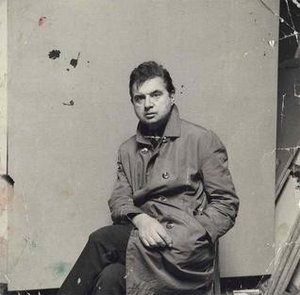
1909 - 1992 , Airija

Explore the profound depths of Surrealism. From Dalí’s dreamscapes to Magritte’s enigmas, master the history of the subconscious mind through our expert art guide and discover museum-quality oil reproductions of the world's most iconic surrealist masterpieces.

Explore the profound depths of Surrealism with our expert guide. From Dalí's dreamscapes to Breton's manifesto, uncover the history, symbolism, and technical mastery of this revolutionary movement. Perfect for students and collectors seeking deep art-historical insight.


Sekite naujausias meno naujienas, išskirtinius pasiūlymus ir dekoravimo idėjas.
Pasakokite mums apie savo projektą, o mūsų meno ekspertai parengs jums 3 asmeniškus meno pasiūlymus.
Leiskite mums parinkti 3 variantus būtent jums – nemokamai!


 Peržiūrėti realybėje
 Pasidalinti
 Dalintis
 Išsamiau

 Atsisiųsti
 Panašūs eksponatai
 Rentgeno nuotrauka
 Automatinė diorama
 Skaityti daugiau







 Stiklo variantas prieinamas tik pasirinkus dydį iki 110 cm


