


x

Įsigykite aukštos skiriamosios raiškos, patobulintą skaitmeninį vaizdą, gerokai pranašesnį už internetinę peržiūrą.
Kiekvieną failą mūsų specialistai kruopščiai paruošia naudojant pažangias technologijas ir profesionalų rankinį retušavimą. Užtikriname, kad kiekvienas vaizdas pasižymėtų išskirtiniu aiškumu, tikslia spalvų atspalviu ir smulkiomis detalėmis.
Baigiamas failas el. paštu pristatomas per 72 valandas; jis optimizuotas nedelsiant naudojimui profesionalioje, redakcinėje ir spausdinimo aplinkoje. Tai ta pati kokybė, kuria pasitiki aukščiausios klasės dizaino studijos, leidyklos ir galerijos.
Atsisiųskite didelės raiškos failą asmeniniam naudojimui, spausdinimui ir kūrybiniams projektams. ( Pirkti spaudinį Pirkti rankomis tapytą paveikslą)
Pasirinkę Most-Famous-Paintings.com, jūs ne tik gaunate paveikslėlį – jūs gaunate profesionaliai patobudintą skaitmeninį kūrinį, sukurtą itin tikniai ir užtikrinantį pasitenkinimą. Štai viską, kas automatiškai pritékia jūsų užsakymui:

Jūsų aukštos raiškos skaitmeninis vaizdo failas bus išsiųstas jums el. paštu per 72 valaudas nuo užsakymo – paruoštas naudojimui be jokių papildomų veiksmų.

Jūsų meno kūrinys profesionaliai optimizuojamas naudojant pažangius dirbtinio intelekto įrankius ir rankinį redagavimą, užtikrinant maksimalią detalę, aiškumą ir spalvų tikslumą.

Atsitiktinai ištrytikote ar praradote savo failą? Nebijokite – bet kuriuo metu atsiųsime jį jums vėl nemokamai.

Mėgaukitės savo meno kūriniu akimirka – skaitiniai failai visada yra neapmokestinami, todėl nereikės mokėti muitinės, mokesčių ar pristatymo mokesčių.

Naudodami profesionalią įrangą ir spalvų valdymo sistemas, užtikriname, kad jūsų skaitmeninis vaizdas kuo tiksliau atspindėtų originalias spalvas.

Jei nebuvate patenkinti savo skaitinio vaizdo, per 60 dienų jį pertaisysime arba grąkinsime 100% sumą – be jokių klausimų.

Nepat 만족inti? Gaukite visą sumokėtą sumą per 60 dienų nuo skaitmeninio failo gavimo – be jokių papildomų klausimų.

Pirkti 3 nuotraukas – pasiūla 10% - Pirkti 5 – pasiūla 15% - Pirkti 10 ir daugiau – pasiūla 20%. Puikiai tinka kūrybiniams projektams, galerijoms bei agentūroms.
This powerful panel is a cornerstone of Francis Bacon's emotionally charged oeuvre, born from profound personal tragedy. Created in the wake of his lover George Dyer’s death, it forms part of a larger triptych – a format Bacon increasingly favored for its capacity to explore multifaceted perspectives on a single subject. This work, and its companions, represent a raw and unflinching exploration of grief, isolation, and the fragmented nature of human existence, marking a pivotal shift towards his haunting “Black Triptychs.”
The right panel presents a solitary male figure seated before a mirror. Dressed in the conventional attire of a suit and tie – symbols of societal constraint and perhaps, in this context, the trappings of a life now irrevocably altered – the man’s head is deliberately turned away from our direct gaze. Instead, we are confronted with his reflection. This positioning isn't accidental; it creates an unsettling dynamic, denying us immediate access to his emotions while simultaneously forcing us to confront their distorted manifestation. The figure’s expression remains ambiguous, hinting at a complex inner turmoil – despair, resignation, or perhaps a detached self-observation born of trauma. Two subtly rendered figures in the background amplify the sense of claustrophobia and alienation. A chair and dining table anchor the scene within a domestic setting, yet render it profoundly unsettling.
Bacon’s signature style is immediately recognizable: brutally honest figuration pushed to the brink of abstraction. He employs loose, gestural brushstrokes and a deliberately limited color palette – dominated by blacks, greys, and fleshy tones – to create an atmosphere of raw emotional intensity. Anatomical accuracy is sacrificed in favor of distortion and fragmentation, reflecting Bacon’s belief in the inherent vulnerability and decay of the human form. The blurred lines and flattened perspective contribute to the painting's claustrophobic feel, trapping the figure within its own psychological space. This isn’t a portrait aiming for likeness; it’s an excavation of inner torment.
Francis Bacon (1909-1992) emerged as a leading voice in the post-war era, a period defined by existential questioning and disillusionment. His work grapples with themes of violence, mortality, and the absurdity of life – reflecting a broader cultural anxiety. The triptych format itself was crucial to Bacon’s process; he described seeing images “in series,” believing that three panels allowed for a more complete exploration of a subject without imposing a fixed narrative. The 1971 triptychs are particularly poignant, directly addressing his personal grief following Dyer's suicide and transforming private anguish into universal statements about loss. The mirror isn’t merely a reflective surface; it symbolizes self-confrontation, the fractured identity born of trauma, and the inescapable nature of mortality.
*Triptych, 1971 (Right Panel)* is not an easy painting to encounter. It evokes feelings of unease, isolation, and profound sadness. The distorted figure and oppressive atmosphere compel viewers to confront uncomfortable truths about the human condition. However, within this darkness lies a strange beauty – a testament to Bacon’s ability to find poetry in pain and capture the raw essence of experience.
This panel is more than just a painting; it's a visceral experience that challenges viewers to confront their own mortality and the complexities of the human psyche – a powerful statement piece for those who appreciate art with depth and emotional resonance.

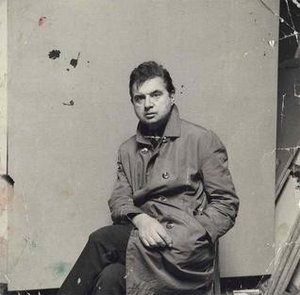
1909 - 1992 , Airija


Sekite naujausias meno naujienas, išskirtinius pasiūlymus ir dekoravimo idėjas.
Pasakokite mums apie savo projektą, o mūsų meno ekspertai parengs jums 3 asmeniškus meno pasiūlymus.
Leiskite mums parinkti 3 variantus būtent jums – nemokamai!


 Peržiūrėti realybėje
 Pasidalinti
 Dalintis
 Išsamiau

 Atsisiųsti
 Panašūs eksponatai
 Rentgeno nuotrauka
 Automatinė diorama

 Skaityti daugiau


