x

Rankiniu būdu tapytas aliejus ant droblio jūsų pageidaujamame dydį ir rėmuose – mūsų menininkų darbas pagal užsakymą. ( Pirkti spaudinį Pirkti vaizdą)





























Pasirinkite iš mūsų nustatytų dydžių, atitinkančių originalaus meno kūrinio proporcijas.

Galite įvesti savo matmenis, kad jie atitiktų konkretų rėmą ar erdvę. Jei pasirinktas dydis neatitinka originalaus paveikslėlio proporcijų, mes arba apkropsime meno kūrinį, arba papildysime tapybą rankomis dažytい elementais. Prieš pradėdami gamybą, jūsų patvirtinimui atsiųsime skaitmeninį maketą.
Atkreipkite dėmesį, kad ekrane rodomas vaizdas neatspindi tikrojo apkarpymo ar papildymo. Tik maketas tiksliai parodys galutinę kompoziciją.
Nors galima rinktis ir individualius dydžius, rekomenduojame pasirinkti matmenis iš nustatytos sąrašo, kad būtų išlaikytos originalios proporcijos.
Pristatymas visame pasaulyje () per 3–4 savaites, o ne įprastai – per 5 savaites. (17 rugpjūtis). Kokybė lieka nepakeičiama.


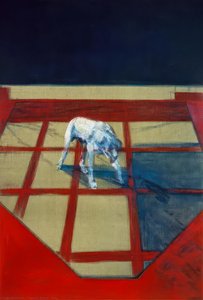
Walking Figure
Reprodukcijos matmenys
Francis Bacon's 'Walking Figure' is not merely a depiction of a man; it’s an excavation of the human condition, a raw and unsettling exploration of isolation, fear, and the disintegration of identity. Painted in stark black and white, the work embodies the core tenets of Bacon’s expressionist style – a deliberate rejection of representational accuracy in favor of conveying profound psychological states. The figure, rendered with brutal honesty and distorted anatomy, possesses a terrifyingly familiar face, a mask of anguish that seems to stare directly out at the viewer, inviting us into its desolate world.
Understanding Bacon's work requires acknowledging his intensely personal history. Born in Dublin in 1909, he experienced a childhood marked by instability – frequent moves due to his mother’s illness profoundly shaped his worldview. This sense of displacement, coupled with the complexities of his family relationships (a stern father and a formative bond with his nanny, Jessie Lightfoot), fueled a lifelong preoccupation with themes of isolation and psychological distress. ‘Walking Figure’ can be interpreted as a visual manifestation of this internal turmoil, a projection of the anxieties born from a life perpetually on the move.
'Walking Figure' isn't about beauty; it’s about confronting the uncomfortable truths of human existence. Bacon deliberately eschewed traditional notions of artistic representation, opting instead to create images that evoke visceral reactions – fear, pity, and a profound sense of unease. The figure’s distorted features, his anguished expression, and the overall atmosphere of dread are all designed to bypass rational thought and tap directly into our deepest emotions. This approach aligns with Bacon's broader artistic philosophy: to capture not what we *see*, but what we *feel*.
Francis Bacon’s ‘Walking Figure’ remains a powerfully evocative work of art, demonstrating his mastery of expressionism and his profound understanding of the human psyche. Its enduring appeal lies in its ability to tap into universal anxieties about isolation, mortality, and the fragility of identity. A hand-painted reproduction offers an unparalleled opportunity to experience the full force of this iconic image, bringing its unsettling beauty into your home or office.

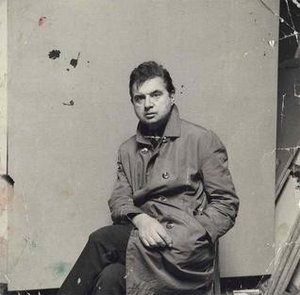
1909 - 1992 , Airija

Elevate your design projects with Most-Famous-Paintings's premium canvas prints and hand-painted reproductions. Discover affordable, museum-quality wall decor delivered worldwide, offering freelance decorators professional excellence, archival durability, and bespoke customization for every space.


Sekite naujausias meno naujienas, išskirtinius pasiūlymus ir dekoravimo idėjas.
Pasakokite mums apie savo projektą, o mūsų meno ekspertai parengs jums 3 asmeniškus meno pasiūlymus.
Leiskite mums parinkti 3 variantus būtent jums – nemokamai!


 Peržiūrėti realybėje
 Pasidalinti
 Dalintis
 Išsamiau

 Atsisiųsti
 Panašūs eksponatai
 Rentgeno nuotrauka
 Automatinė diorama

 Skaityti daugiau







 Stiklo variantas prieinamas tik pasirinkus dydį iki 110 cm