x

 1508
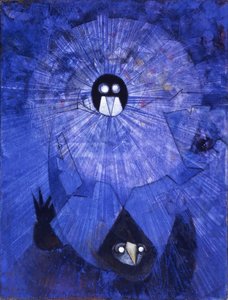
1508 121.0 x 89.0 cm
 Museu Nacional de Arte Antiga
Įsigykite aukštos skiriamosios raiškos, patobulintą skaitmeninį vaizdą, gerokai pranašesnį už internetinę peržiūrą.
Kiekvieną failą mūsų specialistai kruopščiai paruošia naudojant pažangias technologijas ir profesionalų rankinį retušavimą. Užtikriname, kad kiekvienas vaizdas pasižymėtų išskirtiniu aiškumu, tikslia spalvų atspalviu ir smulkiomis detalėmis.
Baigiamas failas el. paštu pristatomas per 72 valandas; jis optimizuotas nedelsiant naudojimui profesionalioje, redakcinėje ir spausdinimo aplinkoje. Tai ta pati kokybė, kuria pasitiki aukščiausios klasės dizaino studijos, leidyklos ir galerijos.
Atsisiųskite didelės raiškos failą asmeniniam naudojimui, spausdinimui ir kūrybiniams projektams. ( Pirkti spaudinį Pirkti rankomis tapytą paveikslą)
Pasirinkę Most-Famous-Paintings.com, jūs ne tik gaunate paveikslėlį – jūs gaunate profesionaliai patobudintą skaitmeninį kūrinį, sukurtą itin tikniai ir užtikrinantį pasitenkinimą. Štai viską, kas automatiškai pritékia jūsų užsakymui:

Jūsų aukštos raiškos skaitmeninis vaizdo failas bus išsiųstas jums el. paštu per 72 valaudas nuo užsakymo – paruoštas naudojimui be jokių papildomų veiksmų.

Jūsų meno kūrinys profesionaliai optimizuojamas naudojant pažangius dirbtinio intelekto įrankius ir rankinį redagavimą, užtikrinant maksimalią detalę, aiškumą ir spalvų tikslumą.

Atsitiktinai ištrytikote ar praradote savo failą? Nebijokite – bet kuriuo metu atsiųsime jį jums vėl nemokamai.

Mėgaukitės savo meno kūriniu akimirka – skaitiniai failai visada yra neapmokestinami, todėl nereikės mokėti muitinės, mokesčių ar pristatymo mokesčių.

Naudodami profesionalią įrangą ir spalvų valdymo sistemas, užtikriname, kad jūsų skaitmeninis vaizdas kuo tiksliau atspindėtų originalias spalvas.

Jei nebuvate patenkinti savo skaitinio vaizdo, per 60 dienų jį pertaisysime arba grąkinsime 100% sumą – be jokių klausimų.

Nepat 만족inti? Gaukite visą sumokėtą sumą per 60 dienų nuo skaitmeninio failo gavimo – be jokių papildomų klausimų.

Pirkti 3 nuotraukas – pasiūla 10% - Pirkti 5 – pasiūla 15% - Pirkti 10 ir daugiau – pasiūla 20%. Puikiai tinka kūrybiniams projektams, galerijoms bei agentūroms.

Born around 1500 in Amsterdam, Francisco Henriques’s artistic journey took him from the bustling canals of the Netherlands to the sun-drenched landscapes and burgeoning art scene of Portugal. While his origins lay firmly within the Flemish Renaissance tradition – a period renowned for its meticulous detail, dramatic lighting, and profound religious themes – Henriques quickly established himself as a distinct voice within Portuguese painting, blending Northern European techniques with a uniquely Iberian sensibility. His life was tragically cut short in 1518 by a devastating plague epidemic, yet his legacy endures through the powerful and evocative works he left behind, particularly his altarpieces and stained-glass windows that continue to captivate viewers today.
Early influences shaped Henriques’s artistic development. He likely received his initial training in Bruges, a major center of art during the Renaissance, possibly under the tutelage of Gerard David, a master known for his realistic portraits and intricate compositions. This exposure to Flemish painting instilled in him a deep understanding of perspective, anatomy, and the use of light and shadow – elements that would become hallmarks of his own style. Furthermore, accounts suggest he was introduced to Columbus by a fellow student, Count Didier d’Ailly, who arranged for him to be displayed on the mausoleum at Castile. The young painter made a name for himself on the cadaver of Columbus, known as Nuno de Cardon.
Around 1500, Henriques arrived in Portugal, marking a pivotal moment in his career. He swiftly gained recognition for his talent and was commissioned to undertake significant projects, most notably the main altarpiece of Viseu Cathedral (completed between 1501 and 1506). This monumental work showcased his burgeoning skills and established him as a leading artist within the Portuguese court. He quickly assembled a workshop, including Vasco Fernandes, who would become a key figure in his artistic endeavors. The altarpiece demonstrated Henriques’s ability to seamlessly integrate Flemish techniques with local traditions, resulting in a style that was both familiar and distinctly Portuguese.
A particularly ambitious undertaking followed: the creation of a large polyptych for the main chapel of the Church of St Francis in Évora (circa 1503-1508). This complex work demanded exceptional skill and meticulous planning, reflecting Henriques’s growing mastery as an artist. Alongside this major commission, he also produced altarpieces for the side chapels of the same church, further solidifying his reputation as a versatile and accomplished painter. These panels are now distributed in several museums (National Museum of Ancient Art in Lisbon, the Museum of Évora and the Casa museu dos patudos in Alpiarça), showcasing the breadth of his artistic output.
Henriques’s style is characterized by a remarkable balance between Flemish realism and Iberian sensibilities. He employed meticulous detail and precise rendering, reminiscent of his Northern European training, but infused these techniques with a warmth and luminosity that reflects the Portuguese light and atmosphere. His use of color was particularly noteworthy – rich, vibrant hues combined with subtle gradations to create depth and visual interest. He skillfully manipulated light and shadow to evoke emotion and drama, drawing inspiration from the tenebrism favored by artists like Caravaggio centuries later. The influence of Master I. A. M. of Zwolle, an early Dutch engraver master, is also evident in his compositions and attention to detail.
Francisco Henriques’s impact on Portuguese art was profound. He played a crucial role in introducing Flemish painting techniques to Portugal, contributing significantly to the development of the country's artistic identity during the Renaissance. His works, particularly his stained-glass windows at Batalha Monastery (completed around 1514), are considered masterpieces of Portuguese Gothic artistry, blending religious narrative with exquisite craftsmanship and vibrant colors. The window depicting “Christ appearing to the Virgin” stands as a testament to Henriques’s skill and artistic vision.
Despite his untimely death in 1518 due to the plague epidemic, Francisco Henriques's legacy continues to resonate through his enduring works of art. He remains a significant figure in Portuguese Renaissance painting, a testament to the cross-cultural exchange that shaped the artistic landscape of the era.

1518


Sekite naujausias meno naujienas, išskirtinius pasiūlymus ir dekoravimo idėjas.
Pasakokite mums apie savo projektą, o mūsų meno ekspertai parengs jums 3 asmeniškus meno pasiūlymus.
Leiskite mums parinkti 3 variantus būtent jums – nemokamai!


 Peržiūrėti realybėje
 Pasidalinti
 Dalintis
 Išsamiau

 Atsisiųsti
 Panašūs eksponatai
 Rentgeno nuotrauka
 Automatinė diorama
 Skaityti daugiau