


x

 Užsisakyti kopiją Pirkti skaitmeninį paveikslą
 Pasidalinti
 Išsamiau
 Pridėti į mėgstamiausius
 Atsisiųsti
 Panašūs eksponatai
 Rentgeno nuotrauka
 Automatinė diorama
 Oil On CanvasWallArtExpressionism
 1909Modern
 30.0 x 30.0 cm
Muziejų lygio „giclée“ arba drobos spausdinimas: greita gamyba ir lankstios apdailos parinktys.





























Pasirinkite iš mūsų nustatytų dydžių, atitinkančių originalaus meno kūrinio proporcijas.

Galite nurodyti savo matmenis, kad vaizdas atitiktų konkretų rėmą ar erdvę. Jei pasirinktas dydis nesutaps su originalaus paveikslėlio proporcijomis, mes arba apkirpsime kūrinį, arba išplėsime vaizdą naudojant veideliu atspindėtą arba vientisą šoną. Skaitmeninis maketas bus išsiųstas jums patvirtinti prieš pradedant gamybą.
Atkreipkite dėmesį, kad ekrane matomas vaizdinys neatspindi tikrojo apkirpimo ar išplėtimo. Tik maketas tiksliai parodytų galutinę kompoziciją.
Nors galima rinktis ir individualius dydžius, rekomenduojame pasirinkti vieną iš išanksti nustatytų matmenų, kad būtų išlaikytos originalios proporcijos.
Pristatymas visame pasaulyje () per 2 weeks, o ne įprastas 4/5 savaičių laikotarpis. (23 liepa)


Tango
Reprodukcijos matmenys
František Kupka’s “Tango,” painted in 1909, is more than just a depiction of a dancer; it’s a visceral embodiment of movement, emotion, and the nascent explorations of abstraction that would forever alter the course of modern art. This vibrant canvas, measuring 30 x 30 cm, pulsates with an energy that immediately draws the viewer into its swirling depths, echoing the dynamism of the tango itself – a dance synonymous with passion and abandon.
“Tango” showcases Kupka’s masterful technique, built upon a foundation of oil paints applied with a deliberate impasto method. Thick strokes of paint are layered upon one another, creating a richly textured surface that invites close inspection. The visible brushwork isn't simply a stylistic choice; it actively contributes to the artwork’s sense of movement and spontaneity. This layering technique, combined with the loose, gestural lines, conveys a feeling of immediacy – as if the artist were capturing the fleeting moment of the dancer’s performance directly on canvas.
Beyond its immediate visual impact, “Tango” resonates with deeper symbolic meanings. The dancer’s pose – caught in mid-movement – suggests a state of vulnerability and abandon, while the swirling lines evoke a sense of unrestrained energy. Kupka, deeply influenced by spiritual currents of his time, was engaged in a profound quest to represent not just what he saw but also what he *felt*. This work reflects his desire to capture an essence—a moment of pure emotion—rather than simply documenting a physical form.
Historical Context: Painted in 1909, “Tango” sits at the crucial juncture between Impressionism and early abstraction. Kupka’s work foreshadowed many of the developments that would characterize the 20th-century avant-garde, solidifying his position as a pioneer of abstract art."Tango" is not merely a beautiful image; it's an experience. The artwork’s raw energy, vibrant colors, and dynamic composition create a powerful emotional resonance that continues to captivate viewers today. This piece represents a pivotal moment in the development of modern art, showcasing Kupka’s innovative approach to form, color, and movement. A hand-painted reproduction offers a unique opportunity to bring this seminal work into your space, allowing you to appreciate its beauty and significance firsthand.


1871 - 1957 , Čekija
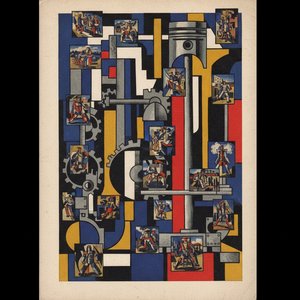
Atraskite 25 įspūdingiausius Fernand Léger šedevrus! Kubizmo meistro paveikslai, atspindintys pramonės amžių ir modernaus meno spalvas. Meno reprodukcijos interjerui – Most-Famous-Paintings.com
Journey through Wassily Kandinsky's 25 most iconic abstract paintings. Explore his revolutionary use of color, form & spiritual expressionism. Find museum-quality Kandinsky reproductions and elevate your home decor with Most-Famous-Paintings.com. Discover all masterpieces on Most-Famous-Paintings.com!

Atraskite 25 įspūdingiausius Metropoliteno meno muziejaus kūrinius! Claude Monet, van Gogh ir kiti meistrai – paveikslų istorijos, spalvų paletės bei interjero dekoravimo idėjos. Meno reprodukcijos aukščiausia kokybe Most-Famous-Paintings.com

Atraskite 25 ikoniškus MoMA meno kūrinius! Van Goghas, Picasso ir Warhol – gilinkitės į modernaus meno istoriją. Aukštos kokybės reprodukcijos jūsų interjerui | Most-Famous-Paintings.com

Atraskite 10 legendinių abstraktus ekspresionizmo kūrinių! Pažinkite Pollocko, Rothko ir kitų genijų istorijas bei jų spalvingas meno interpretacijas. Puikios meninės reprodukcijos jūsų namams – Most-Famous-Paintings.com


Sekite naujausias meno naujienas, išskirtinius pasiūlymus ir dekoravimo idėjas.
Pasakokite mums apie savo projektą, o mūsų meno ekspertai parengs jums 3 asmeniškus meno pasiūlymus.
Leiskite mums parinkti 3 variantus būtent jums – nemokamai!


 Dalintis

 Skaityti daugiau







 Stiklo variantas prieinamas tik pasirinkus dydį iki 110 cm


