


x

 Acrylic On CanvasWallArtExpressionism
 1905
1905 27.0 x 31.0 cm
Rankiniu būdu tapytas aliejus ant droblio jūsų pageidaujamame dydį ir rėmuose – mūsų menininkų darbas pagal užsakymą. ( Perejti prie spausdinimo Perjungti į vaizdą)





























Pasirinkite iš mūsų nustatytų dydžių, atitinkančių originalaus meno kūrinio proporcijas.

Galite įvesti savo matmenis, kad jie atitiktų konkretų rėmą ar erdvę. Jei pasirinktas dydis neatitinka originalaus paveikslėlio proporcijų, mes arba apkropsime meno kūrinį, arba papildysime tapybą rankomis dažytい elementais. Prieš pradėdami gamybą, jūsų patvirtinimui atsiųsime skaitmeninį maketą.
Atkreipkite dėmesį, kad ekrane rodomas vaizdas neatspindi tikrojo apkarpymo ar papildymo. Tik maketas tiksliai parodys galutinę kompoziciją.
Nors galima rinktis ir individualius dydžius, rekomenduojame pasirinkti matmenis iš nustatytos sąrašo, kad būtų išlaikytos originalios proporcijos.
Pristatymas visame pasaulyje () per 3–4 savaites, o ne įprastai – per 5 savaites. (5 rugpjūtis). Kokybė lieka nepakeičiama.


Small Horse Study
Reprodukcijos matmenys
Franz Marc’s “Small Horse Study,” completed in 1905, stands as a cornerstone of German Expressionism and a testament to the artist's unwavering belief in art’s capacity for conveying profound spiritual truths. More than just a depiction of an animal—a brown horse tethered beside what appears to be a simple structure—this painting embodies Marc’s distinctive approach to capturing emotion and distilling essence into visual form.
Style & Technique: Marc’s stylistic choices firmly situate “Small Horse Study” within the Der Blaue Reiter movement. Rejecting academic realism, he embraced bold color palettes – predominantly muted browns and ochres – prioritizing feeling over precise representation. The brushstrokes are loose and expressive, conveying a sense of immediacy and capturing the subtle nuances of light and texture. This technique reflects Marc’s desire to move beyond mere observation, striving instead to communicate an inner state.
Historical Context: Created during a period of intense artistic experimentation and intellectual ferment, “Small Horse Study” emerged from the burgeoning Expressionist movement. Influenced by artists like Vincent van Gogh and Wassily Kandinsky—with whom Marc co-founded Der Blaue Reiter—the painting reflects the broader anxieties and aspirations of its time. The movement sought to express subjective experience and grapple with existential questions, mirroring a cultural shift away from rationalism towards embracing emotion.
Symbolism & Emotional Impact: Beyond its formal qualities, “Small Horse Study” resonates deeply with symbolic meaning. Horses have long been associated with nobility, strength, and spiritual purity in Western art tradition. Marc’s careful positioning of the horse's head—turned slightly to the left—suggests contemplation and introspection. The stillness of the scene evokes a sense of serenity and invites viewers to contemplate the beauty and mystery inherent in nature.
Preservation & Reproduction: Today, “Small Horse Study” resides within the Leopold-Hoesch-Museum in Germany, safeguarding its artistic heritage for future generations. For those wishing to experience the captivating power of Marc’s vision firsthand, Most-Famous-Paintings offers exceptional reproductions crafted by skilled artisans. Explore the beauty and depth of this iconic artwork at https://www.wikiart.org/en/franz-marc/small-horse-study-8BWPUP-en/.

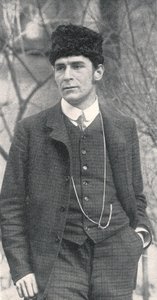
1880 - 1916 , Vokietija

Explore the visceral power of German Expressionism. From Ernst Ludwig Kirchner to Die Brücke, discover how bold colors and distorted forms unmask raw human emotion in this expert art history guide for collectors and enthusiasts.

Elevate your favorite photos into stunning anime masterpieces with Most-Famous-Paintings's AI-driven transformation. Experience the perfect fusion of cutting-edge technology and hand-painted oil artistry to create a timeless, personalized legacy for your home.


Sekite naujausias meno naujienas, išskirtinius pasiūlymus ir dekoravimo idėjas.
Pasakokite mums apie savo projektą, o mūsų meno ekspertai parengs jums 3 asmeniškus meno pasiūlymus.
Leiskite mums parinkti 3 variantus būtent jums – nemokamai!


 Peržiūrėti realybėje
 Pasidalinti
 Dalintis
 Išsamiau

 Atsisiųsti
 Panašūs eksponatai
 Rentgeno nuotrauka
 Automatinė diorama
 Skaityti daugiau







 Stiklo variantas prieinamas tik pasirinkus dydį iki 110 cm


