x

Rankiniu būdu tapytas aliejus ant droblio jūsų pageidaujamame dydį ir rėmuose – mūsų menininkų darbas pagal užsakymą. ( Pirkti spaudinį Pirkti vaizdą)





























Pasirinkite iš mūsų nustatytų dydžių, atitinkančių originalaus meno kūrinio proporcijas.

Galite įvesti savo matmenis, kad jie atitiktų konkretų rėmą ar erdvę. Jei pasirinktas dydis neatitinka originalaus paveikslėlio proporcijų, mes arba apkropsime meno kūrinį, arba papildysime tapybą rankomis dažytい elementais. Prieš pradėdami gamybą, jūsų patvirtinimui atsiųsime skaitmeninį maketą.
Atkreipkite dėmesį, kad ekrane rodomas vaizdas neatspindi tikrojo apkarpymo ar papildymo. Tik maketas tiksliai parodys galutinę kompoziciją.
Nors galima rinktis ir individualius dydžius, rekomenduojame pasirinkti matmenis iš nustatytos sąrašo, kad būtų išlaikytos originalios proporcijos.
Pristatymas visame pasaulyje () per 3–4 savaites, o ne įprastai – per 5 savaites. (16 rugpjūtis). Kokybė lieka nepakeičiama.


The Lamb
Reprodukcijos matmenys
Franz Marc’s “The Lamb,” painted in 1914, is more than just a depiction of an animal; it’s a profound meditation on spirituality and the inherent connection between humanity and the natural world. Created during a pivotal moment in the development of German Expressionism, this work embodies Marc's deeply held belief that art could serve as a conduit for experiencing the divine – a conviction born from his theological explorations and a lifelong fascination with animal life.
The painting's dominant palette—a rich, saturated blue—immediately evokes a sense of tranquility and introspection. This wasn’t merely an aesthetic choice; blue held significant spiritual connotations for Marc, representing the heavens and the infinite. The strategic use of yellow and red accents introduces moments of vibrant energy and passion, suggesting the animal’s vitality and inherent life force. The composition itself is carefully constructed to draw the viewer's eye towards the central lamb, while the surrounding figures—a woman and a child—add layers of narrative complexity, hinting at themes of protection and nurturing.
"The Lamb" was created during a period of intense artistic and intellectual ferment in Germany. The rise of Expressionism sought to express subjective emotions and experiences rather than objective reality. Marc’s work aligns perfectly with this movement, reflecting a desire to tap into deeper truths through art – a yearning that resonated powerfully with the anxieties and spiritual uncertainties of the early 20th century. His exploration of animal subjects wasn't simply an artistic preference; it was a deliberate attempt to access a more primal, uncorrupted form of existence.
Viewing “The Lamb” today, one is struck by its quiet power and profound sense of serenity. Marc’s masterful use of color and form creates an image that transcends mere representation, inviting the viewer to contemplate themes of spirituality, innocence, and the interconnectedness of all living things. This painting remains a cornerstone of Marc's oeuvre and a testament to his enduring legacy as one of the most important figures in the history of modern art. Its impact continues to inspire artists and collectors alike, offering a timeless meditation on the beauty and mystery of the natural world.

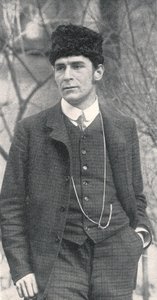
1880 - 1916 , Vokietija

Elevate your favorite photos into stunning anime masterpieces with Most-Famous-Paintings's AI-driven transformation. Experience the perfect fusion of cutting-edge technology and hand-painted oil artistry to create a timeless, personalized legacy for your home.

Explore the profound history and technical mastery of woodcut relief printing. From ancient origins to German Expressionism, discover how artists use the subtractive process to create iconic works. A definitive guide for art students, collectors, and historians.


Sekite naujausias meno naujienas, išskirtinius pasiūlymus ir dekoravimo idėjas.
Pasakokite mums apie savo projektą, o mūsų meno ekspertai parengs jums 3 asmeniškus meno pasiūlymus.
Leiskite mums parinkti 3 variantus būtent jums – nemokamai!


 Peržiūrėti realybėje
 Pasidalinti
 Dalintis
 Išsamiau

 Atsisiųsti
 Panašūs eksponatai
 Rentgeno nuotrauka
 Automatinė diorama

 Skaityti daugiau







 Stiklo variantas prieinamas tik pasirinkus dydį iki 110 cm