


x

 Acrylic On CanvasWallArtCubism
 1912Modern
 44.0 x 38.0 cm
Muziejų lygio „giclée“ arba drobos spausdinimas: greita gamyba ir lankstios apdailos parinktys. ( Pirkti rankomis tapytą paveikslą Pirkti vaizdą)





























Pasirinkite iš mūsų nustatytų dydžių, atitinkančių originalaus meno kūrinio proporcijas.

Galite nurodyti savo matmenis, kad vaizdas atitiktų konkretų rėmą ar erdvę. Jei pasirinktas dydis nesutaps su originalaus paveikslėlio proporcijomis, mes arba apkirpsime kūrinį, arba išplėsime vaizdą naudojant veideliu atspindėtą arba vientisą šoną. Skaitmeninis maketas bus išsiųstas jums patvirtinti prieš pradedant gamybą.
Atkreipkite dėmesį, kad ekrane matomas vaizdinys neatspindi tikrojo apkirpimo ar išplėtimo. Tik maketas tiksliai parodytų galutinę kompoziciją.
Nors galima rinktis ir individualius dydžius, rekomenduojame pasirinkti vieną iš išanksti nustatytų matmenų, kad būtų išlaikytos originalios proporcijos.
Pristatymas visame pasaulyje () per 2 weeks, o ne įprastas 4/5 savaičių laikotarpis. (18 rugpjūtis)


Two Horses, Red and Blue
Reprodukcijos matmenys
Franz Marc’s ‘Two Horses, Red and Blue’, painted in 1912 during the zenith of German Expressionism, transcends mere visual representation; it embodies a profound exploration of primal emotion and spiritual contemplation. This artwork stands as a cornerstone of Der Blaue Reiter’s artistic vision—a movement dedicated to capturing the essence of nature through intensely pigmented hues and abstracted forms—and continues to resonate with audiences today.
Marc, alongside Wassily Kandinsky and Gabriele Münter, spearheaded Der Blaue Reiter’s quest for artistic authenticity. Rejecting academic conventions, they sought to express inner feelings directly onto the canvas, prioritizing intuition over meticulous observation. ‘Two Horses, Red and Blue’ exemplifies this ethos perfectly—the figures are rendered in a Cubist style, albeit one infused with Expressionist fervor. Instead of striving for realistic depiction, Marc fragmented the horses into geometric planes, layering shapes that overlap and intersect to create a dynamic visual rhythm.
The painting’s color palette is deliberately arresting—dominantly crimson red and sapphire blue. These hues weren't chosen arbitrarily; Marc imbued them with symbolic significance, reflecting his belief that colors possessed inherent spiritual qualities. Red traditionally represents masculinity, passion, and vitality – mirroring the strength and energy of the horses themselves. Simultaneously, blue symbolizes femininity, serenity, and contemplation, subtly hinting at the moon and star backdrop— celestial bodies associated with feminine intuition and divine grace.
The arrangement of elements contributes significantly to the artwork's emotive impact. The two horses are positioned centrally against a luminous expanse of blue, creating a visual anchor that draws the eye inward. Above them floats a crescent moon and a solitary star—symbols of illumination and transcendence—further emphasizing the painting’s spiritual dimension. A human figure stands on the right side of the canvas, seemingly observing the horses with quiet reverence. This juxtaposition underscores Marc's fascination with the relationship between humankind and the natural world, portraying it as one of harmonious interdependence.
'Two Horses, Red and Blue' owes considerable debt to Fauvist experimentation—particularly in its bold use of color—and Cubist principles concerning geometric abstraction. Marc’s stylistic evolution mirrored the broader trajectory of Expressionism itself, moving from landscapes imbued with lyrical emotion to increasingly stylized representations of animal subjects. Franz Marc Museum in Kochel am See showcases this masterpiece and celebrates Marc's enduring contribution to artistic innovation. Its legacy continues to inspire artists striving for genuine emotional expression and visual poetry.

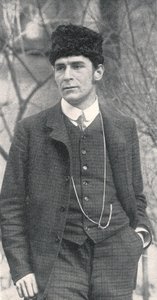
1880 - 1916 , Vokietija

Explore the revolutionary world of Cubism. Discover how masters Pablo Picasso and Georges Braque dismantled reality through geometric abstraction to redefine modern art history.


Sekite naujausias meno naujienas, išskirtinius pasiūlymus ir dekoravimo idėjas.
Pasakokite mums apie savo projektą, o mūsų meno ekspertai parengs jums 3 asmeniškus meno pasiūlymus.
Leiskite mums parinkti 3 variantus būtent jums – nemokamai!


 Peržiūrėti realybėje
 Pasidalinti
 Dalintis
 Išsamiau

 Atsisiųsti
 Panašūs eksponatai
 Rentgeno nuotrauka
 Automatinė diorama
 Skaityti daugiau







 Stiklo variantas prieinamas tik pasirinkus dydį iki 110 cm


