


x


 Preview
 Pirkti atspaudą Pirkti skaitmeninį paveikslą
 Pasidalinti
 Išsamiau
 Pridėti į mėgstamiausius
 Atsisiųsti
 Panašūs eksponatai
 Rentgeno nuotrauka
 Automatinė diorama
 Acrylic On CanvasWallArtHeidelberg School
 189619th Century
 176.0 x 278.0 cm
 Art Gallery of New South Wales
Rankiniu būdu tapytas aliejus ant droblio jūsų pageidaujamame dydį ir rėmuose – mūsų menininkų darbas pagal užsakymą.





























Pasirinkite iš mūsų nustatytų dydžių, atitinkančių originalaus meno kūrinio proporcijas.

Galite įvesti savo matmenis, kad jie atitiktų konkretų rėmą ar erdvę. Jei pasirinktas dydis neatitinka originalaus paveikslėlio proporcijų, mes arba apkropsime meno kūrinį, arba papildysime tapybą rankomis dažytい elementais. Prieš pradėdami gamybą, jūsų patvirtinimui atsiųsime skaitmeninį maketą.
Atkreipkite dėmesį, kad ekrane rodomas vaizdas neatspindi tikrojo apkarpymo ar papildymo. Tik maketas tiksliai parodys galutinę kompoziciją.
Nors galima rinktis ir individualius dydžius, rekomenduojame pasirinkti matmenis iš nustatytos sąrašo, kad būtų išlaikytos originalios proporcijos.
Pristatymas visame pasaulyje () per 3–4 savaites, o ne įprastai – per 5 savaites. (26 liepa). Kokybė lieka nepakeičiama.


On the wallaby track
Reprodukcijos matmenys
To gaze upon On the wallaby track is to be gently ushered into a sun-dappled moment of profound stillness within the vast, embracing landscape of colonial Australia. This masterful painting by Frederick McCubbin captures more than just a scene; it encapsulates a feeling—the quiet resilience of life continuing amidst the grandeur and occasional harshness of nature. The composition centers on a tender tableau: a woman seated upon the earth, cradling her baby close to her heart. Her posture speaks volumes of weariness mixed with deep maternal connection, suggesting a necessary pause during a journey through the bushland. In the background, two male figures stand near the shelter of trees and rocks, their presence adding a narrative depth—are they guides, companions, or simply observers? The entire scene breathes with an evident empathy for the rhythms of rural labouring life, making it instantly relatable to anyone who has ever found solace in open air.
Painted in 1896, this work stands as a quintessential example of the Heidelberg School movement. McCubbin, a principal figure within this influential group, was instrumental in defining a distinctly Australian visual language for art. The style eschews academic formality for an immediacy and naturalism that speaks directly to the local experience. His technique is characterized by a masterful handling of light—the way sunlight filters through unseen foliage, dappling the grass beneath the woman’s resting place. This attention to atmospheric detail, combined with his commitment to depicting everyday Australian life, elevated genre painting to a level of national significance. For collectors and designers alike, this piece offers not merely decoration, but a tangible piece of cultural history rendered with breathtaking technical skill.
The symbolism woven into On the wallaby track is rich and multi-layered. The mother and child represent continuity, the enduring cycle of life that persists regardless of external challenges. Their grounded placement emphasizes a deep connection to the land itself—the earth beneath them seems as much a part of their repose as they are. Conversely, the men in the background, framed by the sturdy permanence of rock and tree, suggest community and shared endeavor. The title itself hints at movement, suggesting that this moment of rest is temporary, a breath taken before continuing along life’s winding path. It speaks to the pioneering spirit, the necessary reliance on one another, and the enduring beauty found in simple human connection.
For those seeking art that transcends mere aesthetics, this reproduction offers profound emotional resonance. Its warm palette—the ochres of the earth, the deep greens of the foliage, and the soft tones of skin—lends itself beautifully to creating an atmosphere of calm contemplation within any interior space. Whether placed in a study evoking scholarly reflection or a living area desiring a connection to nature, this painting acts as a visual anchor. It invites the viewer to slow down, to breathe deeply, and to appreciate the quiet dignity found in moments of rest amidst the grand sweep of existence.


1855 - 1917 , Australija

Atraskite 25 įspūdingiausius Metropoliteno meno muziejaus kūrinius! Claude Monet, van Gogh ir kiti meistrai – paveikslų istorijos, spalvų paletės bei interjero dekoravimo idėjos. Meno reprodukcijos aukščiausia kokybe Most-Famous-Paintings.com
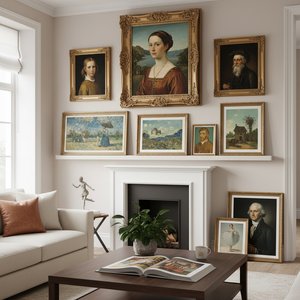
Atraskite 25 Nacionalinės galerijos meno perlus! Išsami istorija apie Monet, Picasso ir kitų žymiausių dailininkų kūrinius. Įkvėpimo interjerui ir aukštos kokybės meno reprodukcijos – Most-Famous-Paintings.com

Explore 25 iconic Sir Alfred Munnings paintings! Discover the beauty of British Impressionism, equine art & rural England. Find museum-quality reproductions and elevate your home decor with Most-Famous-Paintings. Explore the full collection online.
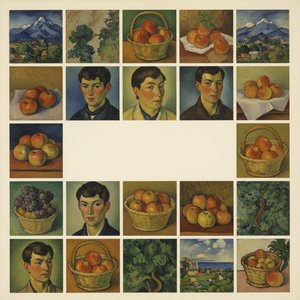
Atraskite 25 Paul Cézanno šedevrus! Išsami analizė, istorijos ir įkvėpimas interjero dekorui. Modernus menas, impresionizmas, natiurmortai – viskas Most-Famous-Paintings.com. Explore the full collection online!
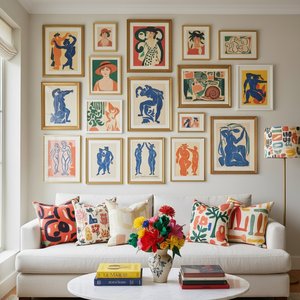
Atraskite 25 įspūdingiausius Henri Matisse šedevrus! Sužinokite apie Fauvizmą, spalvų magiją ir prancūzų dailininko kūrybos istorijas. Meno reprodukcijos jūsų interjerui – Most-Famous-Paintings.com


Sekite naujausias meno naujienas, išskirtinius pasiūlymus ir dekoravimo idėjas.
Pasakokite mums apie savo projektą, o mūsų meno ekspertai parengs jums 3 asmeniškus meno pasiūlymus.
Leiskite mums parinkti 3 variantus būtent jums – nemokamai!


 Dalintis

 Skaityti daugiau







 Stiklo variantas prieinamas tik pasirinkus dydį iki 110 cm


