


x


 Preview
 Užsisakyti kopiją Pirkti skaitmeninį paveikslą
 Pasidalinti
 Išsamiau
 Pridėti į mėgstamiausius
 Atsisiųsti
 Panašūs eksponatai
 Rentgeno nuotrauka
 Automatinė diorama
 Acrylic On CanvasWallArtAbstract Expressionism
 1968
1968 57.0 x 76.0 cm
 Nacionalinės Viktorijos galerija
Muziejų lygio „giclée“ arba drobos spausdinimas: greita gamyba ir lankstios apdailos parinktys.





























Pasirinkite iš mūsų nustatytų dydžių, atitinkančių originalaus meno kūrinio proporcijas.

Galite nurodyti savo matmenis, kad vaizdas atitiktų konkretų rėmą ar erdvę. Jei pasirinktas dydis nesutaps su originalaus paveikslėlio proporcijomis, mes arba apkirpsime kūrinį, arba išplėsime vaizdą naudojant veideliu atspindėtą arba vientisą šoną. Skaitmeninis maketas bus išsiųstas jums patvirtinti prieš pradedant gamybą.
Atkreipkite dėmesį, kad ekrane matomas vaizdinys neatspindi tikrojo apkirpimo ar išplėtimo. Tik maketas tiksliai parodytų galutinę kompoziciją.
Nors galima rinktis ir individualius dydžius, rekomenduojame pasirinkti vieną iš išanksti nustatytų matmenų, kad būtų išlaikytos originalios proporcijos.
Pristatymas visame pasaulyje () per 2 weeks, o ne įprastas 4/5 savaičių laikotarpis. (26 liepa)


Burning tree stump
Reprodukcijos matmenys
Williams’ early life led him to an apprenticeship with a company fitting out shops and making boxes. However, his true passion lay in the arts. At 16, he began taking classes at the national gallery school under william dargie, and later studied painting with george bell, a modernist painter.
His time in London from 1950 to 1956, studying at the chelsea school of art and taking an etching course at the central school of arts and crafts, significantly influenced his style. He was particularly drawn to the work of cézanne, which can be seen in his later landscape paintings.
Fred Williams’ “Burning Tree Stump” embodies a pivotal moment in Australian art history—the immediate aftermath of the devastating bushfires that ravaged the Dandenong Ranges during the summer of 1968. Witnessing firsthand the transformative power of these fires, Williams responded with an urgent desire to capture their visceral impact on both the landscape and human experience.
The painting’s abstract expressionist approach—characterized by loose brushstrokes and a flattened perspective—reflects a broader trend in modernist art during the period. Rejecting traditional representational conventions, Williams sought to convey emotion and atmosphere rather than precise visual detail. This stylistic choice aligns with the influential “Antipodean” manifesto of 1959 championed by fellow artists John Brack, Arthur Boyd, and Charles Blackman.
Williams’ technique—primarily wet-on-wet—allowed him to achieve remarkable textural depth and luminosity. Thick impasto layers create a palpable sense of physicality, while thinner washes of color subtly suggest the shifting light conditions of the firelit landscape. The muted palette—dominated by browns, grays, and whites—underscores the solemn mood of the scene.
Beyond its formal qualities, “Burning Tree Stump” speaks to deeper themes of vulnerability and resilience. The figures emerging from the charred earth symbolize humanity’s confrontation with disaster, yet their clustered arrangement conveys a sense of solidarity and shared experience. The painting serves as a powerful reminder of the profound connection between humans and nature—a connection that is both threatened and reaffirmed by events like wildfires.
Text by Kirs


1927 - 1982 , Australia

Atraskite 25 įspūdingiausius Metropoliteno meno muziejaus kūrinius! Claude Monet, van Gogh ir kiti meistrai – paveikslų istorijos, spalvų paletės bei interjero dekoravimo idėjos. Meno reprodukcijos aukščiausia kokybe Most-Famous-Paintings.com
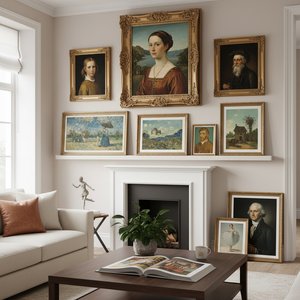
Atraskite 25 Nacionalinės galerijos meno perlus! Išsami istorija apie Monet, Picasso ir kitų žymiausių dailininkų kūrinius. Įkvėpimo interjerui ir aukštos kokybės meno reprodukcijos – Most-Famous-Paintings.com

Explore 25 iconic Sir Alfred Munnings paintings! Discover the beauty of British Impressionism, equine art & rural England. Find museum-quality reproductions and elevate your home decor with Most-Famous-Paintings. Explore the full collection online.
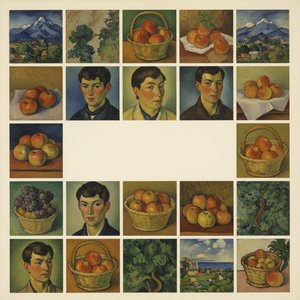
Atraskite 25 Paul Cézanno šedevrus! Išsami analizė, istorijos ir įkvėpimas interjero dekorui. Modernus menas, impresionizmas, natiurmortai – viskas Most-Famous-Paintings.com. Explore the full collection online!
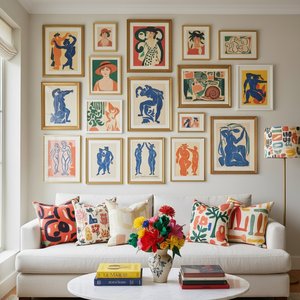
Atraskite 25 įspūdingiausius Henri Matisse šedevrus! Sužinokite apie Fauvizmą, spalvų magiją ir prancūzų dailininko kūrybos istorijas. Meno reprodukcijos jūsų interjerui – Most-Famous-Paintings.com


Sekite naujausias meno naujienas, išskirtinius pasiūlymus ir dekoravimo idėjas.
Pasakokite mums apie savo projektą, o mūsų meno ekspertai parengs jums 3 asmeniškus meno pasiūlymus.
Leiskite mums parinkti 3 variantus būtent jums – nemokamai!


 Dalintis

 Skaityti daugiau







 Stiklo variantas prieinamas tik pasirinkus dydį iki 110 cm


![Untitled (rome [wall]) (1961) — Cy Twombly, Abstract Expressionism](/media/artworks/images/thumbnails/df/dc/dfdc781b32244f8c9757f53bf7efc041.jpg)


