


x

 Oil On CanvasWallArtBritish Landscape Painting
 96.0 x 146.0 cm
 The Hepworth Wakefield
Muziejų lygio „giclée“ arba drobos spausdinimas: greita gamyba ir lankstios apdailos parinktys. ( Pirkti rankomis tapytą paveikslą Pirkti vaizdą)





























Pasirinkite iš mūsų nustatytų dydžių, atitinkančių originalaus meno kūrinio proporcijas.

Galite nurodyti savo matmenis, kad vaizdas atitiktų konkretų rėmą ar erdvę. Jei pasirinktas dydis nesutaps su originalaus paveikslėlio proporcijomis, mes arba apkirpsime kūrinį, arba išplėsime vaizdą naudojant veideliu atspindėtą arba vientisą šoną. Skaitmeninis maketas bus išsiųstas jums patvirtinti prieš pradedant gamybą.
Atkreipkite dėmesį, kad ekrane matomas vaizdinys neatspindi tikrojo apkirpimo ar išplėtimo. Tik maketas tiksliai parodytų galutinę kompoziciją.
Nors galima rinktis ir individualius dydžius, rekomenduojame pasirinkti vieną iš išanksti nustatytų matmenų, kad būtų išlaikytos originalios proporcijos.
Pristatymas visame pasaulyje () per 2 weeks, o ne įprastas 4/5 savaičių laikotarpis. (12 rugpjūtis)


Landscape
Reprodukcijos matmenys
Frederick Waters Watts' "Landscape," a captivating oil painting from around 1860, isn’t merely a depiction of a rural scene; it’s an invitation into a meticulously rendered world brimming with quiet observation and a profound connection to the English countryside. The piece immediately draws the viewer in with its harmonious palette – a symphony of greens, blues, and browns that evoke the serenity of a late summer afternoon. It's a landscape steeped in Constablean influence, prioritizing atmospheric perspective and a subtle, almost melancholic beauty over dramatic grandeur.
The composition itself is deceptively simple yet remarkably effective. A meandering river dominates the midground, its waters reflecting the sky above with an ethereal quality. A dirt path, barely discernible, leads the eye into the distance, hinting at journeys and possibilities. Scattered amongst the trees are a few figures – likely farmers or laborers – engaged in quiet activities, their presence adding a touch of human scale to the vastness of the scene without disrupting the overall sense of tranquility. The rolling hills in the background, painted with delicate brushstrokes, fade into a hazy blue, creating an illusion of depth and distance that is characteristic of Watts’ style.
Watts was deeply influenced by John Constable, and this influence is readily apparent in "Landscape." He masterfully employed *plein air* painting techniques – working directly from nature – to capture the fleeting effects of light and atmosphere. Notice the subtle variations in color across the foliage, the way shadows fall on the ground, and the delicate rendering of water surfaces. The brushwork is loose yet controlled, creating a sense of movement and texture that brings the landscape to life. The artist’s attention to detail is remarkable; individual leaves are suggested rather than meticulously rendered, allowing the eye to fill in the gaps and contributing to the painting's overall impressionistic quality.
Furthermore, Watts skillfully utilized atmospheric perspective – *sfumato* – to create a sense of depth. Objects further away appear paler and less distinct, while those closer are richer in color and detail. This technique is particularly evident in the distant hills, which seem to dissolve into the hazy blue sky. The use of muted tones and subtle gradations of color contributes significantly to the painting’s overall mood of quiet contemplation.
"Landscape" reflects the artistic sensibilities of the mid-19th century – a period when landscape painting was experiencing a resurgence in popularity. Following the Romantic movement, artists began to turn their attention to the beauty and sublimity of nature, seeking solace and inspiration in the countryside. Watts’ work aligns with this trend, capturing the idealized vision of rural England that was so prevalent during the Victorian era.
The painting also speaks to a broader cultural shift – a growing appreciation for the natural world and a desire to escape the pressures of urban life. The Victorian period witnessed significant industrialization and urbanization, leading many people to seek refuge in the countryside. Landscape art provided a means of reconnecting with nature and celebrating its enduring beauty. Watts’ painting embodies this sentiment, offering a glimpse into a simpler, more harmonious way of life.
Beyond its technical merits, “Landscape” is imbued with subtle symbolism. The meandering river can be interpreted as a metaphor for the passage of time, while the figures in the foreground represent humanity’s connection to the land. The overall mood of the painting – serene, contemplative, and slightly melancholic – reflects the Victorian fascination with mortality and the fleeting nature of beauty. It's not simply a pretty picture; it invites reflection on our relationship with the natural world and our place within it.
The painting’s enduring appeal lies in its ability to evoke a sense of nostalgia for a bygone era – a time when life moved at a slower pace and people were more attuned to the rhythms of nature. “Landscape” is a testament to Watts' skill as an artist and his profound understanding of the English countryside, offering viewers a moment of respite from the complexities of modern life.

Viktorijos laikotarpio meno metrajuose nedaug vardų sukelia tokį tylią, gyvą Anglijos kaimo prigimtį kaip Frederick Waters Watts. Gimęs 1800 m. istoriniame Bath mieste, Watts tapo paveikslautoju, kurio kūryba tapo giliu tiltu tarp ankstyvojo XIX amžiaus grubios natūralybės ir vėlesniojo viktoriško estetizmo subtilaus elegancijos. Nors didžioji dalis jo asmeninės istorijos išlieka paslėpta švelniomis laiko migles, – istorikų diskusijoms dėl jo kilmės ir tikros mirties datos niekada nesibaigiant – jo meninis buvimas yra neabejingas. Jis buvo menininkas, kuris ne tiesiog tapė peizažus; jis įamžino pačią kaimo krašt뷰 sielą, kiekvieną upės kranto lanką ir saulės apšauktą pievą įdėdami nesibaigiančios ramybės pojūtį.
Watts didybė kilo iš jo gilaus, beveik dvivalio ryšio su John Constable kūryba. Įstojęs į Londono Karališkąją akademiją 1817 m., Watts siekė meistriškai valdyti šviesos ir atmosferos subtilius sudėtingumus, kurie apibrėžė Constable tradiciją. Jo ankstyvieji triumpai, įskaitant sidabrinius medalius, pelnytus tarp 1819 ir 1821 metų, paskelbė apie atradimą talentą, gebantį atlikti gilią stebėseną. Jis priėmė en plein air tapybos praktiką – dirbo tiesiog gamoje, kad praegausių debesų atspalvius ar mirgėjantį atspindį upėj įkristų į nuolatinę aliejų ir drobės tekstūrą. Šis ištikimumas tiesioginei stebėsenai leido jam išeiti už paprasto imitavimo ribų, sukuriant stilių, kuris jaustųsi tiek glaudžiai susijęs su žeme, tiek pakylėtas poetiška jautrumu.
Watts kūrybos ešė, apimanti apie 380 paveikslų, tarnauja kaip didžiulė Anglijos idiliausių akimirkų galerija. Jo techninis meistriškumas labiausiai pasireiškia gebėjime manipuliuoti šviesa, kurdamas gębę ir emocinį rezonansą. Vartodamas Medway upės ramybės ar Cumberland grubios grožio vaizduodamas, Watts naudojo paletę, kuri švencino natūralaus pasaulio organiškas tonos. Jo kompozicijose dažnai išskiriamas:
Be grynos natūralybės, jo darbe slypi simbolizmo potvėris, užsimindantis apie gilesnę, kontemplatyvesnę dvasią. Kai kurie mokslininkai jo vėlesnius tyrimus mato Estetizmo priziūrine, pastebėdami, kaip jo peizažai gali peržengti paprasta topografiją ir tapti alegoriškais meditaciją apie ramybę, viltį ir ciklinę gyvenimo prigimtį. Šis dualizmas – gebėjimas būti tiek tiksliu gamtos stebėtoju, tiek poetiškų tiesų svajotoju – yra tai, kas išskiria jo kūrybą nuo samtų.
Per visą savo ilgą karjerą, kurios metu jis iki 1860-ųjų metų dalyvavo parodose Karališkioje akademijoje ir Britijos institūcijoje, Watts išlaikė nuoseklų buvimą Londono meno scenoje. Jo gebėjimas naviguoti kintančiuose viktoriškojo laikotarpio skonomis – nuo sunkios ankstyvojo amžiaus romantikos iki subtesnių, simbolinių požiūrių vėlesniaisiais metais – užtikrino jo ilgalaikį aktualumą. Nors jis gyveno sparčios industrializacijos laikais, kurie grėstė būtent tų peizažų egzistencijai, kuriuos jis mylėjo, jo paveikslai išlieka prarastos, prieš pramonės revoliucijos Anglijos šventovė.
Šiandien Frederick Waters Watts palikimas gyvena prestižinių institucijų, tokių kaip Tate, kolekcijose, kur jo darbai ir toliau kelia susižvalgymą. Jis išlieka gyva figūra kiekvienam, siekiamam suprasti britų peizažo tapybos evoliuciją. Jo gyvenimo kūryba yra įrodymas apie stebėsenos jėgą ir neblėstantį natūralaus pasaulio grožį, primindama mums, kad net ir trumpiausioj šviesos akimirkos švibrėje ant upės paviršiaus slypi gili ir amžina orumas.

1800 - 1870 , Jungtinė Karalystė

Explore the captivating world of Frederick Watts, a key Victorian painter blending aestheticism & spiritual symbolism. Discover his allegorical masterpieces like 'Hope' and delve into his artistic journey with Most-Famous-Paintings.
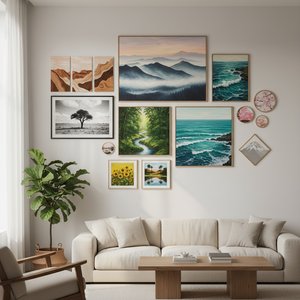
Journey through 10 breathtaking landscape paintings by Monet, Van Gogh & more! Explore iconic artworks, artistic techniques & find inspiration for your home decor. Museum-quality reproductions at Most-Famous-Paintings.com. Discover all masterpieces on Most-Famous-Paintings.com

Atraskite 10 legendinių romantinio peizažo kūrinių! Pasinerkite į Claude Lorrain, Caspar David Friedrich ir J.M.W. Turner genijaus pasaulį. Išmokite apie tapybos meistriškumą bei gamtos grožį. Aukščiausios kokybės meno reprodukcijos – Most-Famous-Paintings.com. Tyrinėkite kolekciją!
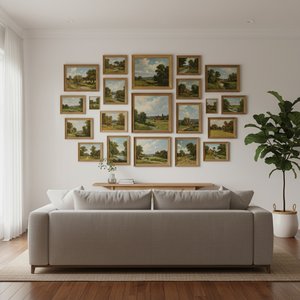
Atraskite 25 įspūdingiausius Džono Konsteblio paveikslus! Romantizmo meistro gamtos vaizdai, Dedham Vale peizažai ir meno istorijos šedevrai. Meno reprodukcijos jūsų interjerui – Most-Famous-Paintings.com

Explore the rich history of trees in painting! Discover symbolism, Romantic masterpieces by Caspar David Friedrich & beyond. A curated journey for art enthusiasts.


Sekite naujausias meno naujienas, išskirtinius pasiūlymus ir dekoravimo idėjas.
Pasakokite mums apie savo projektą, o mūsų meno ekspertai parengs jums 3 asmeniškus meno pasiūlymus.
Leiskite mums parinkti 3 variantus būtent jums – nemokamai!


 Peržiūrėti realybėje
 Pasidalinti
 Dalintis
 Išsamiau

 Atsisiųsti
 Panašūs eksponatai
 Rentgeno nuotrauka
 Automatinė diorama
 Skaityti daugiau







 Stiklo variantas prieinamas tik pasirinkus dydį iki 110 cm


