x

Rankiniu būdu tapytas aliejus ant droblio jūsų pageidaujamame dydį ir rėmuose – mūsų menininkų darbas pagal užsakymą. ( Pirkti spaudinį Pirkti vaizdą)





























Pasirinkite iš mūsų nustatytų dydžių, atitinkančių originalaus meno kūrinio proporcijas.

Galite įvesti savo matmenis, kad jie atitiktų konkretų rėmą ar erdvę. Jei pasirinktas dydis neatitinka originalaus paveikslėlio proporcijų, mes arba apkropsime meno kūrinį, arba papildysime tapybą rankomis dažytい elementais. Prieš pradėdami gamybą, jūsų patvirtinimui atsiųsime skaitmeninį maketą.
Atkreipkite dėmesį, kad ekrane rodomas vaizdas neatspindi tikrojo apkarpymo ar papildymo. Tik maketas tiksliai parodys galutinę kompoziciją.
Nors galima rinktis ir individualius dydžius, rekomenduojame pasirinkti matmenis iš nustatytos sąrašo, kad būtų išlaikytos originalios proporcijos.
Pristatymas visame pasaulyje () per 3–4 savaites, o ne įprastai – per 5 savaites. (20 rugpjūtis). Kokybė lieka nepakeičiama.


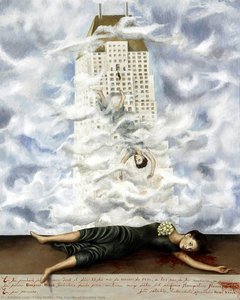
The Deceased Dimas
Reprodukcijos matmenys
Frida Kahlo’s “The Deceased Dimas,” painted circa 1953, is a hauntingly beautiful tableau that encapsulates the artist's signature preoccupation with themes of vulnerability, loss, and the enduring power of memory. This enigmatic artwork depicts a young child lying supine on verdant grass, enveloped by an abundance of vibrant flowers—primarily roses and lilies—creating a visual juxtaposition between life’s beauty and inevitable decay.
Kahlo's distinctive Surrealist style is immediately apparent. The composition eschews conventional realism, opting instead for a dreamlike atmosphere where the child’s serene posture contrasts sharply with the implied sorrow surrounding them. The meticulous rendering of the flowers—their petals delicately brushed onto the canvas—demonstrates Kahlo’s mastery of technique and her unwavering commitment to capturing subtle nuances of color and texture.
Historically, “The Deceased Dimas” emerged during a period of profound personal upheaval for Kahlo. Following a debilitating bus accident in 1951 that shattered her pelvis and left her enduring physical pain, she retreated into introspection and channeled her emotional turmoil into her art. The painting serves as a poignant reflection on mortality and grief—a contemplation of the fragility of life and the indelible imprint of sorrow upon the human spirit.
Symbolically, the child represents innocence and purity, qualities Kahlo herself fiercely defended throughout her life. The crown adorning their head signifies royalty or dignity, perhaps hinting at a yearning for transcendence amidst suffering. Simultaneously, the ribbon around the neck symbolizes remembrance—a solemn tribute to those departed. The flowers themselves are laden with significance; roses often represent love and beauty, while lilies symbolize purity and mourning – elements interwoven to convey a complex emotional landscape.
More than just an aesthetically pleasing image, “The Deceased Dimas” resonates deeply with viewers due to its unflinching portrayal of human emotion. Kahlo’s masterful use of color—primarily muted greens and pinks—creates a tranquil yet melancholic mood, inviting contemplation on themes of loss, resilience, and the enduring beauty found within sorrow.


1907 - 1954 , Meksika
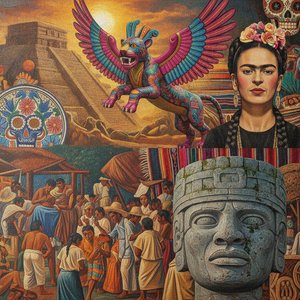
Explore the profound legacy of Mexican art history, from the monumental murals of 'The Big Three' to the intimate surrealism of Frida Kahlo. A scholarly guide for art lovers seeking deep historical context and the beauty of masterwork reproductions.

Explore the profound depths of Surrealism. From Dalí’s dreamscapes to Magritte’s enigmas, master the history of the subconscious mind through our expert art guide and discover museum-quality oil reproductions of the world's most iconic surrealist masterpieces.


Sekite naujausias meno naujienas, išskirtinius pasiūlymus ir dekoravimo idėjas.
Pasakokite mums apie savo projektą, o mūsų meno ekspertai parengs jums 3 asmeniškus meno pasiūlymus.
Leiskite mums parinkti 3 variantus būtent jums – nemokamai!


 Peržiūrėti realybėje
 Pasidalinti
 Dalintis
 Išsamiau

 Atsisiųsti
 Panašūs eksponatai
 Rentgeno nuotrauka
 Automatinė diorama
 Skaityti daugiau







 Stiklo variantas prieinamas tik pasirinkus dydį iki 110 cm