x

Rankiniu būdu tapytas aliejus ant droblio jūsų pageidaujamame dydį ir rėmuose – mūsų menininkų darbas pagal užsakymą. ( Pirkti spaudinį Pirkti vaizdą)





























Pasirinkite iš mūsų nustatytų dydžių, atitinkančių originalaus meno kūrinio proporcijas.

Galite įvesti savo matmenis, kad jie atitiktų konkretų rėmą ar erdvę. Jei pasirinktas dydis neatitinka originalaus paveikslėlio proporcijų, mes arba apkropsime meno kūrinį, arba papildysime tapybą rankomis dažytい elementais. Prieš pradėdami gamybą, jūsų patvirtinimui atsiųsime skaitmeninį maketą.
Atkreipkite dėmesį, kad ekrane rodomas vaizdas neatspindi tikrojo apkarpymo ar papildymo. Tik maketas tiksliai parodys galutinę kompoziciją.
Nors galima rinktis ir individualius dydžius, rekomenduojame pasirinkti matmenis iš nustatytos sąrašo, kad būtų išlaikytos originalios proporcijos.
Pristatymas visame pasaulyje () per 3–4 savaites, o ne įprastai – per 5 savaites. (14 rugpjūtis). Kokybė lieka nepakeičiama.


untitled (2163)
Reprodukcijos matmenys
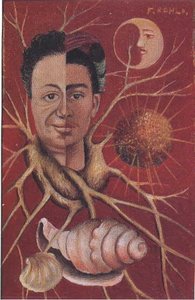
“Untitled (2163),” painted in 1954 by Frida Kahlo, stands as a poignant testament to the artist's unwavering spirit and her ability to transform personal pain into enduring artistic expression. This captivating portrait captures Kahlo seated in a chair, adorned with a striking blue headband—a deliberate choice that speaks volumes about her inner world and her refusal to conceal vulnerability.
Kahlo’s style is undeniably rooted in Surrealism, albeit infused with her own distinctive vision. The painting eschews realistic representation, opting instead for a dreamlike atmosphere characterized by flattened perspectives and symbolic imagery. Kahlo skillfully employs oil paint on canvas—a technique she favored throughout her prolific career—to achieve textural nuances that heighten the emotional impact of the artwork. Brushstrokes are deliberate and expressive, conveying both meticulous observation and profound feeling.
Painted shortly before Kahlo’s death, “untitled (2163)” reflects the artist's ongoing battle with physical ailments resulting from a debilitating bus accident in 1951. The accident left her with severe spinal injuries and necessitated numerous surgeries—a constant reminder of her fragility and vulnerability. Yet, amidst this hardship, Kahlo channeled her pain into artistic creation, transforming trauma into a source of inspiration.
The dominant color palette—primarily blues and blacks—contributes to the painting’s melancholic mood. The blue headband symbolizes Kahlo's determination to maintain composure and grace despite her physical limitations. Her gaze is direct and unwavering, conveying a sense of inner strength and resilience. Furthermore, the posture of the woman seated in the chair embodies stillness and contemplation—a deliberate gesture that invites viewers to engage with the complexities of Kahlo’s emotional landscape.
"Untitled (2163)" transcends mere visual depiction; it offers a glimpse into Kahlo’s soul, inviting contemplation on themes of suffering, perseverance, and self-acceptance. The painting resonates with viewers because it confronts difficult truths about human experience—acknowledging pain without succumbing to despair. It serves as an enduring reminder that beauty can emerge from adversity, and that artistic expression can be a powerful tool for confronting trauma and reclaiming agency.
This artwork is particularly appreciated by collectors interested in Mexican art and those drawn to the expressive power of Surrealist painting. Reproductions offer a stunning opportunity to experience Kahlo’s vision firsthand, bringing her poignant portrait into homes and inspiring interior designers seeking pieces that convey both beauty and emotional depth.


1907 - 1954 , Meksika
Explore the profound legacy of Mexican art history, from the monumental murals of 'The Big Three' to the intimate surrealism of Frida Kahlo. A scholarly guide for art lovers seeking deep historical context and the beauty of masterwork reproductions.


Sekite naujausias meno naujienas, išskirtinius pasiūlymus ir dekoravimo idėjas.
Pasakokite mums apie savo projektą, o mūsų meno ekspertai parengs jums 3 asmeniškus meno pasiūlymus.
Leiskite mums parinkti 3 variantus būtent jums – nemokamai!


 Peržiūrėti realybėje
 Pasidalinti
 Dalintis
 Išsamiau

 Atsisiųsti
 Panašūs eksponatai
 Rentgeno nuotrauka
 Automatinė diorama
 Skaityti daugiau







 Stiklo variantas prieinamas tik pasirinkus dydį iki 110 cm