


x

 Oil On CanvasWallArtAcademic Realism
 1859
1859 74.0 x 92.0 cm
 Narodna galerija
Rankiniu būdu tapytas aliejus ant droblio jūsų pageidaujamame dydį ir rėmuose – mūsų menininkų darbas pagal užsakymą. ( Pirkti spaudinį Pirkti vaizdą)





























Pasirinkite iš mūsų nustatytų dydžių, atitinkančių originalaus meno kūrinio proporcijas.

Galite įvesti savo matmenis, kad jie atitiktų konkretų rėmą ar erdvę. Jei pasirinktas dydis neatitinka originalaus paveikslėlio proporcijų, mes arba apkropsime meno kūrinį, arba papildysime tapybą rankomis dažytい elementais. Prieš pradėdami gamybą, jūsų patvirtinimui atsiųsime skaitmeninį maketą.
Atkreipkite dėmesį, kad ekrane rodomas vaizdas neatspindi tikrojo apkarpymo ar papildymo. Tik maketas tiksliai parodys galutinę kompoziciją.
Nors galima rinktis ir individualius dydžius, rekomenduojame pasirinkti matmenis iš nustatytos sąrašo, kad būtų išlaikytos originalios proporcijos.
Pristatymas visame pasaulyje () per 3–4 savaites, o ne įprastai – per 5 savaites. (25 rugpjūtis). Kokybė lieka nepakeičiama.


John Tyler
Reprodukcijos matmenys
George Peter Alexander Healy's 1859 portrait of John Tyler is more than just a likeness; it’s a carefully constructed tableau of American political thought and the complexities of leadership during a pivotal era. Painted against a subtly textured, dark background—a deliberate choice that draws attention to the subject—the image captures Tyler not as a flamboyant figurehead, but as a man wrestling with weighty responsibilities and the legacy of his presidency. Healy’s masterful use of light and shadow sculpts Tyler's face, emphasizing the lines etched by years of service and reflecting an underlying seriousness, while his posture – seated slightly forward, hands clasped loosely – conveys both contemplation and quiet strength.
Healy, a prolific portraitist who served as official painter to several U.S. presidents, was renowned for his ability to imbue his subjects with personality and historical significance. His style leaned heavily towards the academic tradition of the mid-19th century, characterized by meticulous detail, realistic rendering, and a classical approach to composition. This is evident in Tyler’s attire – a dark suit and tie, indicative of the formality expected of a prominent statesman – and the carefully arranged details of his surroundings, suggesting a space of quiet deliberation.
Painted just five years after Tyler's controversial presidency concluded, the portrait resonates with the political tensions that defined the period. Tyler’s tenure was marked by significant discord – his staunch defense of states’ rights clashed dramatically with the growing momentum for national unity, culminating in the outbreak of the Civil War. The painting subtly acknowledges this historical context; the muted palette and somber mood reflect the anxieties and uncertainties surrounding the nation's future. The slight downturn of Tyler’s mouth hints at the burdens he carried as a president who navigated treacherous political waters and ultimately presided over the secession of Southern states.
Interestingly, Healy’s decision to depict Tyler in a relatively solitary setting—away from any overt symbols of power or authority—is particularly revealing. He avoids presenting Tyler as a triumphant leader, instead focusing on his internal state. This suggests that Healy was interested not just in capturing Tyler's physical appearance but also in conveying the weight of responsibility and the moral dilemmas inherent in leadership during a time of profound national division.
Beyond the individual portrait, the painting offers glimpses into broader themes of American identity. The dark background can be interpreted as representing the challenges and uncertainties facing the nation—the shadows of slavery, the divisions between North and South, and the looming threat of war. Tyler’s posture, with his hands clasped loosely, embodies a sense of quiet resolve – a willingness to confront these difficulties with dignity and integrity. The painting subtly speaks to the American ideal of leadership: not through grand gestures or forceful pronouncements, but through thoughtful deliberation and a commitment to serving the nation.
George Peter Alexander Healy’s portrait of John Tyler is a compelling testament to the complexities of 19th-century America. It's a work that invites viewers to contemplate not only the life and career of a lesser-known president but also the broader historical forces shaping the nation at the time. Reproductions of this powerful image offer a valuable window into a turbulent era, reminding us of the challenges faced by those who sought to guide the country through its most difficult moments – and offering a poignant reflection on the enduring qualities of leadership and resilience.


1813 - 1894
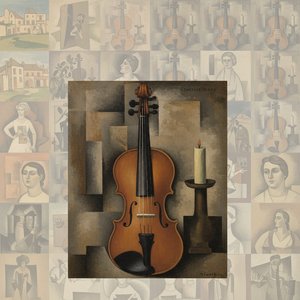
Atraskite 25 Georges Braque šedevrus! Kubizmo meistro paveikslai, interjero dekoras ir meno istorija. Meno reprodukcijos aukščiausia kokybe – Most-Famous-Paintings.com. Išsamesnės informacijos rasite internetu.
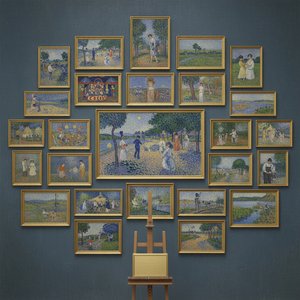
Atraskite 25 Georges Seurat šedevrus! Išsami analizė, istorijos ir įkvėpimas interjero dizainui. Pointilizmo meistras, impresionizmas ir chromoluminarizmas – viskas Most-Famous-Paintings.com. Explore the full collection online!

Explore 25 iconic John Singer Sargent paintings – from dazzling portraits to Impressionist landscapes. Discover the stories behind Madame X, El Jaleo & more! Find museum-quality art reproductions and elevate your home decor with Most-Famous-Paintings.com.
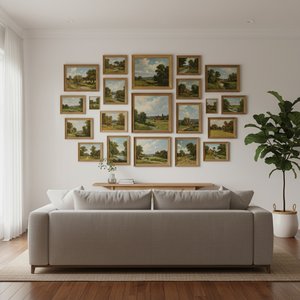
Atraskite 25 įspūdingiausius Džono Konsteblio paveikslus! Romantizmo meistro gamtos vaizdai, Dedham Vale peizažai ir meno istorijos šedevrai. Meno reprodukcijos jūsų interjerui – Most-Famous-Paintings.com

Explore the captivating genre paintings of John George Brown, celebrated for his realistic depictions of 19th-century American life. Discover his legacy & find museum-quality reproductions at Most-Famous-Paintings.


Sekite naujausias meno naujienas, išskirtinius pasiūlymus ir dekoravimo idėjas.
Pasakokite mums apie savo projektą, o mūsų meno ekspertai parengs jums 3 asmeniškus meno pasiūlymus.
Leiskite mums parinkti 3 variantus būtent jums – nemokamai!


 Peržiūrėti realybėje
 Pasidalinti
 Dalintis
 Išsamiau

 Atsisiųsti
 Panašūs eksponatai
 Rentgeno nuotrauka
 Automatinė diorama
 Skaityti daugiau







 Stiklo variantas prieinamas tik pasirinkus dydį iki 110 cm


