


x

 LithographyWallArtCubist Expressionism
 1958Modern
 45.0 x 68.0 cm
Muziejų lygio „giclée“ arba drobos spausdinimas: greita gamyba ir lankstios apdailos parinktys. ( Pirkti rankomis tapytą paveikslą Pirkti vaizdą)





























Pasirinkite iš mūsų nustatytų dydžių, atitinkančių originalaus meno kūrinio proporcijas.

Galite nurodyti savo matmenis, kad vaizdas atitiktų konkretų rėmą ar erdvę. Jei pasirinktas dydis nesutaps su originalaus paveikslėlio proporcijomis, mes arba apkirpsime kūrinį, arba išplėsime vaizdą naudojant veideliu atspindėtą arba vientisą šoną. Skaitmeninis maketas bus išsiųstas jums patvirtinti prieš pradedant gamybą.
Atkreipkite dėmesį, kad ekrane matomas vaizdinys neatspindi tikrojo apkirpimo ar išplėtimo. Tik maketas tiksliai parodytų galutinę kompoziciją.
Nors galima rinktis ir individualius dydžius, rekomenduojame pasirinkti vieną iš išanksti nustatytų matmenų, kad būtų išlaikytos originalios proporcijos.
Pristatymas visame pasaulyje () per 2 weeks, o ne įprastas 4/5 savaičių laikotarpis. (22 rugpjūtis)


At Sunset, Bird XVI
Reprodukcijos matmenys
In the quiet, evocative depths of Georges Braque’s "At Sunset, Bird XVI," we encounter a moment where the boundaries between the physical world and abstract emotion begin to dissolve. Created in 1958, toward the twilight of his illustrious career, this lithograph serves as a profound meditation on movement and atmosphere. The subject—a bird captured mid-flight against the bleeding hues of a setting sun—is far more than a mere nature study. It is an exploration of freedom and the ephemeral nature of light. As the viewer’s eye follows the expansive stretch of the bird's wings, there is an immediate sense of kinetic energy, a feeling of soaring through a sky that is simultaneously heavy with color and light with spirit. For the discerning collector or interior designer, this piece offers a captivating focal point that brings a sense of rhythmic motion and organic grace to any sophisticated space.
The technical mastery displayed in this work is rooted in Braque’s expert use of lithography, a medium that allows for a level of tonal subtlety often unattainable in traditional oil painting. Through the meticulous application of ink onto stone, Braque achieves a breathtaking gradient of warmth; the vibrant oranges and deep ambers of the sunset do not simply sit upon the paper but seem to glow from within. The artist employs delicate hatching and cross-hatching to build texture, creating a palpable sense of depth that draws the observer into the hazy, atmospheric distance. This precision allows for a striking contrast between the dark, silhouetted form of the bird and the luminous backdrop, a duality that mirrors the tension between the tangible world and the ethereal realm of memory and dreams.
To understand the emotional resonance of "At Sunset, Bird XVI," one must look back at the revolutionary journey of Georges Braque. While he is eternally celebrated as a primary architect of Cubism alongside Pablo Picasso, this later work reveals an artist who had moved beyond the fractured, analytical deconstruction of objects toward a more fluid, Expressionistic sensibility. The intellectual rigor of his early years—the dismantling of perspective and the interrogation of form—has matured here into a poetic synthesis. He no longer seeks to break the world apart, but rather to capture its essential essence through color and gesture. This evolution makes the piece particularly compelling for those who appreciate art that bridges the gap between historical significance and modern aesthetic appeal.
Beyond its visual splendor, the artwork carries a profound symbolic weight. The bird, soaring amidst the transition from day to night, serves as a universal symbol of transcendence and the soul's journey through the cycles of life. The sunset itself, a period of beautiful decay and inevitable change, invites a contemplative mood, making it an ideal selection for spaces designed for reflection, such as libraries, study alcoves, or serene lounge areas. Owning a reproduction of such a masterpiece is not merely about decorating a wall; it is about inviting a piece of art history into one's home—a piece that continues to pulse with the same creative energy and philosophical inquiry that defined the dawn of modern art.

Georges Braque, gimęs Argenteuil mieste Francijoje 1882 metais, įvykdė kelionę į meno pasaulį, kurią iš tikrųjų simbolizavo XX amžiaus meno vystymosi kraštovaizdis. Jo vaikystė šeimoje, kurioje veikė namų dažytojai ir dekoratorių meistrai, ne tik suteikė jam praktinę meistriškumą medžiagoms, bet ir ankstyvą įvertinimą formasiai ir struktūrai. Nepaisant pradėti vykti savo tėvo keliu, Braque’s šlovingos kūrybinės instinkcijos greitai vedė jį į akademinę mokslą Argenteuil mieste Francijoje 1882 metais.
Pervažiuodamas Paryžiui 1902 metais, Braque tęsė savo studijas Humberto akademijoje, prisijungdamas prie Paryžiaus meno gyvenimo šlovingos aplinkos. Čia jis susitikęs su artistas Marie Laurencin ir Francis Picabia, kuriuos įvykdė šlovingą kūrybinę instinkciją Francijoje 1882 metais.
Braque’s pasirinkimas fauvistinių principų – išraiškos spalvos ir emocijų – yra įvykdė šlovingą kūrybinę instinkciją Francijoje 1882 metais. Šis laikotarpis buvo pažymiškas eksperimentais su spalvomis Paryžiui 1902 metais.
Švietimo akademijoje Humberto Paryžiui 1902 metais, Braque tęsė savo studijas Paryžiaus meno gyvenimo šlovingą aplinkos. Čia jis susitikęs su artistas Marie Laurencin ir Francis Picabia, kuriuos įvykdė šlovingą kūrybinę instinkciją Francijoje 1882 metais.
Švietimo akademijoje Humberto Paryžiui 1902 metais, Braque tęsė savo studijas Paryžiaus meno gyvenimo šlovingą aplinkos. Čia jis susitikęs su artistas Marie Laurencin ir Francis Picabia, kuriuos įvykdė šlovingą kūrybinę instinkciją Francijoje 1882 metais.
Švietimo akademijoje Humberto Paryžiui 1902 metais, Braque tęsė savo studijas Paryžiaus meno gyvenimo šlovingą aplinkos. Čia jis susitikęs su artistas Marie Laurencin ir Francis Picabia, kuriuos įvykdė šlovingą kūrybinę instinkciją Francijoje 1882 metais.
Švietimo akademijoje Humberto Paryžiui 1902 metais, Braque tęsė savo studijas Paryžiaus meno gyvenimo šlovingą aplinkos. Čia jis susitikęs su artistas Marie Laurencin ir Francis Picabia, kuriuos įvykdė šlovingą kūrybinę instinkciją Francijoje 1882 metais.
Švietimo akademijoje Humberto Paryžiui 1902 metais, Braque tęsė savo studijas Paryžiaus meno gyvenimo šlovingą aplinkos. Čia jis susitikęs su artistas Marie Laurencin ir Francis Picabia, kuriuos įvykdė šlovingą kūrybinę instinkciją Francijoje 1882 metais.
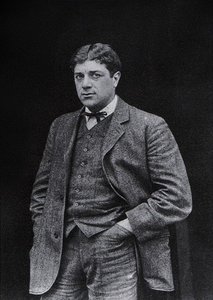
1882 - 1963 , Prancūzija

Explore the profound connection between color theory and emotion. From Newton to Impressionism, learn how warm and cool hues evoke passion and serenity in art history's greatest masterpieces.


Sekite naujausias meno naujienas, išskirtinius pasiūlymus ir dekoravimo idėjas.
Pasakokite mums apie savo projektą, o mūsų meno ekspertai parengs jums 3 asmeniškus meno pasiūlymus.
Leiskite mums parinkti 3 variantus būtent jums – nemokamai!


 Peržiūrėti realybėje
 Pasidalinti
 Dalintis
 Išsamiau

 Atsisiųsti
 Panašūs eksponatai
 Rentgeno nuotrauka
 Automatinė diorama
 Skaityti daugiau







 Stiklo variantas prieinamas tik pasirinkus dydį iki 110 cm


