


x
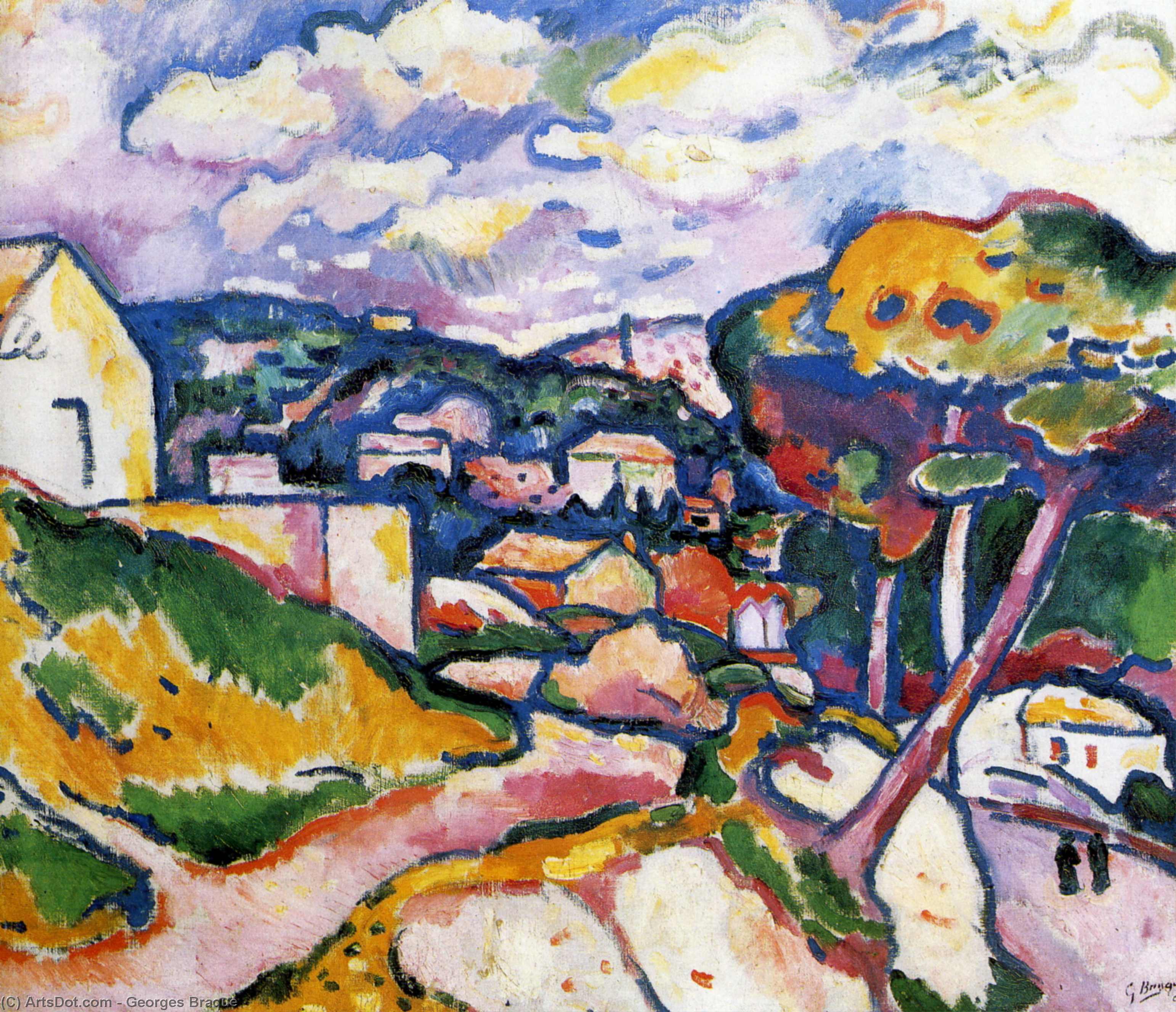
 Oil On CanvasWallArtAnalytical Cubism
 1906Modern
 60.0 x 73.0 cm
Muziejų lygio „giclée“ arba drobos spausdinimas: greita gamyba ir lankstios apdailos parinktys. ( Pirkti rankomis tapytą paveikslą Pirkti vaizdą)





























Pasirinkite iš mūsų nustatytų dydžių, atitinkančių originalaus meno kūrinio proporcijas.

Galite nurodyti savo matmenis, kad vaizdas atitiktų konkretų rėmą ar erdvę. Jei pasirinktas dydis nesutaps su originalaus paveikslėlio proporcijomis, mes arba apkirpsime kūrinį, arba išplėsime vaizdą naudojant veideliu atspindėtą arba vientisą šoną. Skaitmeninis maketas bus išsiųstas jums patvirtinti prieš pradedant gamybą.
Atkreipkite dėmesį, kad ekrane matomas vaizdinys neatspindi tikrojo apkirpimo ar išplėtimo. Tik maketas tiksliai parodytų galutinę kompoziciją.
Nors galima rinktis ir individualius dydžius, rekomenduojame pasirinkti vieną iš išanksti nustatytų matmenų, kad būtų išlaikytos originalios proporcijos.
Pristatymas visame pasaulyje () per 2 weeks, o ne įprastas 4/5 savaičių laikotarpis. (19 rugpjūtis)


L'Estaque
Reprodukcijos matmenys
In the quiet landscape of 1906, a profound transformation was taking place within the confines of a canvas. Georges Braque’s L'Estaque is far more than a mere depiction of a sun-drenched Provençal hillside; it is a manifesto of the burgeoning Cubist movement. At first glance, the viewer is greeted by a charming scene of houses nestled among olive groves, yet as the eye lingers, the traditional boundaries of reality begin to dissolve. Braque masterfully dismantense classical perspective, fracturing the visual world into a rhythmic dance of overlapping geometric planes. This deliberate fragmentation serves as an intellectual bridge between the observable world and a new, multidimensional way of seeing, where objects are analyzed from multiple viewpoints simultaneously.
The composition breathes with a unique vitality, anchored by the presence of figures and animals that inhabit this reconstructed space. Two dogs, positioned on opposite sides of the frame, act as silent sentinels within the landscape, while scattered people move through the scene, their forms integrated into the very architecture of the hills. This creates a dynamic tension where the distinction between the living subject and the inanimate landscape becomes beautifully blurred, inviting the observer to lose themselves in a world that is both structured and fluid.
Technically, L'Estaque represents a radical departure from the fleeting, light-drenched impressions of the previous generation. Braque eschews the shimmering colors of Impressionism in favor of a more grounded, structural palette. He employs a sophisticated array of muted earthy tones—deep ochres, rich browns, and verdant greens—that evoke the rugged, authentic atmosphere of the French countryside. This choice of color does not merely decorate the scene; it provides the essential weight and stability required to support his experimental geometry.
The artist’s approach to surface is equally revolutionary. Through a meticulous layering process, Braque creates a tactile experience that mimics the irregularities of the natural world. His technique hints at the early explorations of papier collé, where the texture of the canvas itself becomes part of the narrative. For the discerning collector or interior designer, this emphasis on texture and structural integrity offers a sophisticated aesthetic that transcends simple decoration, providing a focal point that feels both historically significant and timelessly modern.
To possess a reproduction of L'Estaque is to invite a piece of art history into one's personal space. The painting captures the precise moment when the foundations of modern art were being rebuilt. It embodies the spirit of the avant-garde—a period of intense intellectual curiosity and the courage to break established conventions. The emotional impact of the work lies in this very tension: the comfort of a familiar landscape clashing with the excitement of structural innovation.
For those seeking to curate an environment of depth and sophistication, this work offers unparalleled inspiration. Its balanced composition and earthy color scheme allow it to integrate seamlessly into diverse interior styles, from minimalist contemporary galleries to classic, richly textured studies. L'Estaque remains a testament to Braque’s ability to distill reality into its most essential, beautiful components, making it an enduring masterpiece for any collection dedicated to the evolution of human perception.

Georges Braque, gimęs Argenteuil mieste Francijoje 1882 metais, įvykdė kelionę į meno pasaulį, kurią iš tikrųjų simbolizavo XX amžiaus meno vystymosi kraštovaizdis. Jo vaikystė šeimoje, kurioje veikė namų dažytojai ir dekoratorių meistrai, ne tik suteikė jam praktinę meistriškumą medžiagoms, bet ir ankstyvą įvertinimą formasiai ir struktūrai. Nepaisant pradėti vykti savo tėvo keliu, Braque’s šlovingos kūrybinės instinkcijos greitai vedė jį į akademinę mokslą Argenteuil mieste Francijoje 1882 metais.
Pervažiuodamas Paryžiui 1902 metais, Braque tęsė savo studijas Humberto akademijoje, prisijungdamas prie Paryžiaus meno gyvenimo šlovingos aplinkos. Čia jis susitikęs su artistas Marie Laurencin ir Francis Picabia, kuriuos įvykdė šlovingą kūrybinę instinkciją Francijoje 1882 metais.
Braque’s pasirinkimas fauvistinių principų – išraiškos spalvos ir emocijų – yra įvykdė šlovingą kūrybinę instinkciją Francijoje 1882 metais. Šis laikotarpis buvo pažymiškas eksperimentais su spalvomis Paryžiui 1902 metais.
Švietimo akademijoje Humberto Paryžiui 1902 metais, Braque tęsė savo studijas Paryžiaus meno gyvenimo šlovingą aplinkos. Čia jis susitikęs su artistas Marie Laurencin ir Francis Picabia, kuriuos įvykdė šlovingą kūrybinę instinkciją Francijoje 1882 metais.
Švietimo akademijoje Humberto Paryžiui 1902 metais, Braque tęsė savo studijas Paryžiaus meno gyvenimo šlovingą aplinkos. Čia jis susitikęs su artistas Marie Laurencin ir Francis Picabia, kuriuos įvykdė šlovingą kūrybinę instinkciją Francijoje 1882 metais.
Švietimo akademijoje Humberto Paryžiui 1902 metais, Braque tęsė savo studijas Paryžiaus meno gyvenimo šlovingą aplinkos. Čia jis susitikęs su artistas Marie Laurencin ir Francis Picabia, kuriuos įvykdė šlovingą kūrybinę instinkciją Francijoje 1882 metais.
Švietimo akademijoje Humberto Paryžiui 1902 metais, Braque tęsė savo studijas Paryžiaus meno gyvenimo šlovingą aplinkos. Čia jis susitikęs su artistas Marie Laurencin ir Francis Picabia, kuriuos įvykdė šlovingą kūrybinę instinkciją Francijoje 1882 metais.
Švietimo akademijoje Humberto Paryžiui 1902 metais, Braque tęsė savo studijas Paryžiaus meno gyvenimo šlovingą aplinkos. Čia jis susitikęs su artistas Marie Laurencin ir Francis Picabia, kuriuos įvykdė šlovingą kūrybinę instinkciją Francijoje 1882 metais.
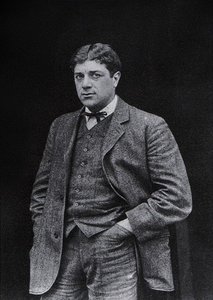
1882 - 1963 , Prancūzija
Atraskite 25 Georges Braque šedevrus! Kubizmo meistro paveikslai, interjero dekoras ir meno istorija. Meno reprodukcijos aukščiausia kokybe – Most-Famous-Paintings.com. Išsamesnės informacijos rasite internetu.

Explore the revolutionary art of Georges Braque, a pioneer of Cubism alongside Picasso. Discover his artistic evolution, key works, and lasting impact on modern art. A guide for discerning collectors.
Atraskite 10 legendinių kubizmo šedevrų! Pažinkite Picassą, Braką ir kitus menininkus. Sužinokite apie spalvas, stilių bei meno istoriją. Aukštos kokybės dailės reprodukcijos jūsų interjerui – Most-Famous-Paintings.com.

Explore the revolutionary world of Cubism with Most-Famous-Paintings. Discover Picasso & Braque's groundbreaking techniques, its philosophical roots, and lasting impact on modern art. Expert insights for collectors.

Explore the revolutionary impact of Cubism on 20th-century art. Discover Picasso, Braque & beyond with our expert guide to this pivotal movement. Learn about Analytic & Synthetic Cubism's techniques and lasting legacy.


Sekite naujausias meno naujienas, išskirtinius pasiūlymus ir dekoravimo idėjas.
Pasakokite mums apie savo projektą, o mūsų meno ekspertai parengs jums 3 asmeniškus meno pasiūlymus.
Leiskite mums parinkti 3 variantus būtent jums – nemokamai!


 Peržiūrėti realybėje
 Pasidalinti
 Dalintis
 Išsamiau

 Atsisiųsti
 Panašūs eksponatai
 Rentgeno nuotrauka
 Automatinė diorama
 Skaityti daugiau







 Stiklo variantas prieinamas tik pasirinkus dydį iki 110 cm


