


x

Muziejų lygio „giclée“ arba drobos spausdinimas: greita gamyba ir lankstios apdailos parinktys. ( Pirkti rankomis tapytą paveikslą Pirkti vaizdą)





























Pasirinkite iš mūsų nustatytų dydžių, atitinkančių originalaus meno kūrinio proporcijas.

Galite nurodyti savo matmenis, kad vaizdas atitiktų konkretų rėmą ar erdvę. Jei pasirinktas dydis nesutaps su originalaus paveikslėlio proporcijomis, mes arba apkirpsime kūrinį, arba išplėsime vaizdą naudojant veideliu atspindėtą arba vientisą šoną. Skaitmeninis maketas bus išsiųstas jums patvirtinti prieš pradedant gamybą.
Atkreipkite dėmesį, kad ekrane matomas vaizdinys neatspindi tikrojo apkirpimo ar išplėtimo. Tik maketas tiksliai parodytų galutinę kompoziciją.
Nors galima rinktis ir individualius dydžius, rekomenduojame pasirinkti vieną iš išanksti nustatytų matmenų, kad būtų išlaikytos originalios proporcijos.
Pristatymas visame pasaulyje () per 2 weeks, o ne įprastas 4/5 savaičių laikotarpis. (20 rugpjūtis)


Lemons
Reprodukcijos matmenys
In the quiet realm of Georges Braque’s 1929 masterpiece, Lemons, the mundane is elevated to the monumental. At first glance, the viewer is presented with a deceptively simple arrangement: a collection of bright citrus fruits resting upon a tabletop, accompanied by the familiar silhouettes of cups, bottles, and a bowl. Yet, to look closer is to enter a world where the boundaries of reality begin to soften and shift. This is not merely a depiction of fruit; it is a profound exploration of how we perceive the objects that inhabit our daily lives. Braque invites us to move beyond the surface, transforming a domestic still life into a rhythmic dance of geometric planes and light.
The painting serves as a breathtaking testament to the Cubist revolution, a movement that Braque helped pioneer alongside Pablo Picasso. Moving away from the traditional goal of photographic accuracy, Lemons embraces the fractured beauty of Synthetic Cubism. Here, the artist deconstructs the physical world into an intricate tapestry of cubes, cylinders, and cones. By breaking down the subjects into these fundamental shapes, Braque challenges our conventional understanding of space, creating a composition that feels both structurally grounded and wonderfully fluid. For the collector or interior designer, this piece offers a sophisticated intellectual depth, providing a focal point that rewards prolonged contemplation.
Technically, Braque’s approach in Lemons is nothing short of meticulous. He employed a delicate technique of layering thin, translucent washes of color over textured surfaces, a method that allows for a subtle interplay of light and shadow. This creates an illusionistic depth that breathes life into the canvas, making the lemons appear almost tactile, as if one could reach out and feel the pitted zest of their skin. The artist’s skillful use of tonal variations conveys a sense of materiality, where the coolness of the ceramic cups contrasts beautifully with the vibrant, sun-drenched energy of the fruit.
This mastery of technique serves a greater symbolic purpose. Historically, lemons have been emblems of purity, freshness, and resilience—qualities that resonate deeply within Braque’s vision. The arrangement of these objects on the table creates a sense of profound stillness and harmony. There is a meditative quality to the work; it captures a moment of quietude in an ever-changing world. For those seeking to infuse a living space with a sense of calm, stability, and refined taste, this reproduction offers more than just decoration—it offers an atmosphere of thoughtful elegance.
As we reflect on the historical context of 1929, a year of immense transition, Braque’s ability to find beauty in the commonplace becomes even more poignant. By incorporating elements that suggest the textures of collage and the complexity of layered perspectives, he destabilized traditional notions of sight, forcing the viewer to participate in the creation of meaning. This piece does not merely sit upon a wall; it interacts with the light and the architecture of a room, pulling the eye into its complex, multi-dimensional world.
Whether placed in a contemporary gallery setting or as a centerpiece in a curated home collection, Lemons remains an enduring icon of modern art. It is a work that speaks to the soul of the observer, celebrating the beauty found in the simplest of subjects through the lens of radical innovation. Owning a high-quality reproduction of this work allows one to possess a fragment of art history—a piece that embodies the courage to reimagine reality and the grace to find harmony within its fragments.

Georges Braque, gimęs Argenteuil mieste Francijoje 1882 metais, įvykdė kelionę į meno pasaulį, kurią iš tikrųjų simbolizavo XX amžiaus meno vystymosi kraštovaizdis. Jo vaikystė šeimoje, kurioje veikė namų dažytojai ir dekoratorių meistrai, ne tik suteikė jam praktinę meistriškumą medžiagoms, bet ir ankstyvą įvertinimą formasiai ir struktūrai. Nepaisant pradėti vykti savo tėvo keliu, Braque’s šlovingos kūrybinės instinkcijos greitai vedė jį į akademinę mokslą Argenteuil mieste Francijoje 1882 metais.
Pervažiuodamas Paryžiui 1902 metais, Braque tęsė savo studijas Humberto akademijoje, prisijungdamas prie Paryžiaus meno gyvenimo šlovingos aplinkos. Čia jis susitikęs su artistas Marie Laurencin ir Francis Picabia, kuriuos įvykdė šlovingą kūrybinę instinkciją Francijoje 1882 metais.
Braque’s pasirinkimas fauvistinių principų – išraiškos spalvos ir emocijų – yra įvykdė šlovingą kūrybinę instinkciją Francijoje 1882 metais. Šis laikotarpis buvo pažymiškas eksperimentais su spalvomis Paryžiui 1902 metais.
Švietimo akademijoje Humberto Paryžiui 1902 metais, Braque tęsė savo studijas Paryžiaus meno gyvenimo šlovingą aplinkos. Čia jis susitikęs su artistas Marie Laurencin ir Francis Picabia, kuriuos įvykdė šlovingą kūrybinę instinkciją Francijoje 1882 metais.
Švietimo akademijoje Humberto Paryžiui 1902 metais, Braque tęsė savo studijas Paryžiaus meno gyvenimo šlovingą aplinkos. Čia jis susitikęs su artistas Marie Laurencin ir Francis Picabia, kuriuos įvykdė šlovingą kūrybinę instinkciją Francijoje 1882 metais.
Švietimo akademijoje Humberto Paryžiui 1902 metais, Braque tęsė savo studijas Paryžiaus meno gyvenimo šlovingą aplinkos. Čia jis susitikęs su artistas Marie Laurencin ir Francis Picabia, kuriuos įvykdė šlovingą kūrybinę instinkciją Francijoje 1882 metais.
Švietimo akademijoje Humberto Paryžiui 1902 metais, Braque tęsė savo studijas Paryžiaus meno gyvenimo šlovingą aplinkos. Čia jis susitikęs su artistas Marie Laurencin ir Francis Picabia, kuriuos įvykdė šlovingą kūrybinę instinkciją Francijoje 1882 metais.
Švietimo akademijoje Humberto Paryžiui 1902 metais, Braque tęsė savo studijas Paryžiaus meno gyvenimo šlovingą aplinkos. Čia jis susitikęs su artistas Marie Laurencin ir Francis Picabia, kuriuos įvykdė šlovingą kūrybinę instinkciją Francijoje 1882 metais.
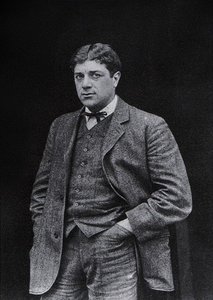
1882 - 1963 , Prancūzija

Explore the revolutionary world of Cubism. Discover how Pablo Picasso and Georges Braque dismantled perspective to redefine modern art through geometric innovation and analytical mastery. An essential guide for art students, collectors, and history enthusiasts.

Explore the revolutionary world of Cubism. Discover how masters Pablo Picasso and Georges Braque dismantled reality through geometric abstraction to redefine modern art history.

Master the complexities of Cubism with our expert guide. Explore how Picasso and Braque revolutionized modern art through fragmentation, multiple perspectives, and geometric innovation. Perfect for art students and collectors seeking deep historical insight.

Explore the revolutionary world of Cubism. From Picasso's analytical deconstruction to Braque's geometric forms, master the history of fragmentation and modern art through this expert guide for students and collectors.

Explore the revolutionary evolution of Cubist still life. From deconstructed forms to the mastery of Braque and Picasso, discover how this movement redefined modern art through an expert historical lens.


Sekite naujausias meno naujienas, išskirtinius pasiūlymus ir dekoravimo idėjas.
Pasakokite mums apie savo projektą, o mūsų meno ekspertai parengs jums 3 asmeniškus meno pasiūlymus.
Leiskite mums parinkti 3 variantus būtent jums – nemokamai!


 Peržiūrėti realybėje
 Pasidalinti
 Dalintis
 Išsamiau

 Atsisiųsti
 Panašūs eksponatai
 Rentgeno nuotrauka
 Automatinė diorama

 Skaityti daugiau







 Stiklo variantas prieinamas tik pasirinkus dydį iki 110 cm


