x

Muziejų lygio „giclée“ arba drobos spausdinimas: greita gamyba ir lankstios apdailos parinktys. ( Pirkti rankomis tapytą paveikslą Pirkti vaizdą)





























Pasirinkite iš mūsų nustatytų dydžių, atitinkančių originalaus meno kūrinio proporcijas.

Galite nurodyti savo matmenis, kad vaizdas atitiktų konkretų rėmą ar erdvę. Jei pasirinktas dydis nesutaps su originalaus paveikslėlio proporcijomis, mes arba apkirpsime kūrinį, arba išplėsime vaizdą naudojant veideliu atspindėtą arba vientisą šoną. Skaitmeninis maketas bus išsiųstas jums patvirtinti prieš pradedant gamybą.
Atkreipkite dėmesį, kad ekrane matomas vaizdinys neatspindi tikrojo apkirpimo ar išplėtimo. Tik maketas tiksliai parodytų galutinę kompoziciją.
Nors galima rinktis ir individualius dydžius, rekomenduojame pasirinkti vieną iš išanksti nustatytų matmenų, kad būtų išlaikytos originalios proporcijos.
Pristatymas visame pasaulyje () per 2 weeks, o ne įprastas 4/5 savaičių laikotarpis. (18 rugpjūtis)


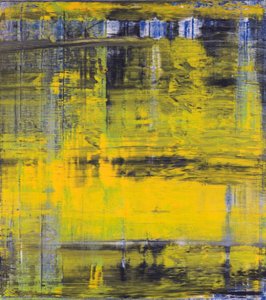
19.3.92
Reprodukcijos matmenys
Gerhard Richter’s “19.3.92” isn’t merely a painting; it’s a carefully constructed echo of memory, a meditation on the shifting nature of perception, and a testament to the artist’s masterful manipulation of abstract expressionism. Painted in 1992, this work immediately draws the viewer into a scene both familiar and subtly unsettling – a field ablaze with yellow flowers set against the imposing silhouette of distant mountains. The composition feels deliberately incomplete, as if Richter has captured a fleeting impression rather than striving for photographic realism, mirroring perhaps the fragmented nature of recollection itself. The painting’s power lies not in its literal depiction but in the emotional resonance it evokes – a sense of quiet contemplation mingled with an underlying current of melancholy.
To fully appreciate “19.3.92,” it’s crucial to understand Richter's personal history. Born in Dresden in 1932, his childhood was profoundly shaped by the tumultuous events of World War II and the subsequent division of Germany. His family’s repeated moves during this period instilled a deep sense of displacement and uncertainty – emotions that undoubtedly inform his work. The painting can be seen as an attempt to grapple with these experiences, not through direct narrative but through the evocative language of color and form. The mountains in the background, often interpreted as representing the imposing presence of authority or perhaps even the weight of history, add a layer of complexity to the scene.
The dominant yellow flowers are more than just a decorative element; they symbolize hope, joy, and the fleeting beauty of nature. However, their scattered arrangement and the muted tones of the surrounding landscape suggest a bittersweetness – an awareness that these moments of happiness are often transient. The vastness of the mountains serves as a counterpoint to this intimacy, reminding us of our own smallness in the face of the natural world. “19.3.92” is ultimately a painting about the delicate balance between memory and reality, hope and despair, beauty and loss. It invites viewers to contemplate their own personal histories and the enduring power of human experience.


1932 - , Vokietija

Explore the profound history and emotional depth of Abstract Expressionism. From Jackson Pollock to Mark Rothko, master the nuances of the New York School through our expert art history guide. Discover museum-quality hand-painted reproductions for your collection.


Sekite naujausias meno naujienas, išskirtinius pasiūlymus ir dekoravimo idėjas.
Pasakokite mums apie savo projektą, o mūsų meno ekspertai parengs jums 3 asmeniškus meno pasiūlymus.
Leiskite mums parinkti 3 variantus būtent jums – nemokamai!


 Peržiūrėti realybėje
 Pasidalinti
 Dalintis
 Išsamiau

 Atsisiųsti
 Panašūs eksponatai
 Rentgeno nuotrauka
 Automatinė diorama

 Skaityti daugiau







 Stiklo variantas prieinamas tik pasirinkus dydį iki 110 cm