x

 Oil On CopperItalian Renaissance Mannerism
 1567Renaissance
 38.0 x 28.0 cm
 Uffizi galerija
Rankiniu būdu tapytas aliejus ant droblio jūsų pageidaujamame dydį ir rėmuose – mūsų menininkų darbas pagal užsakymą. ( Pirkti spaudinį Pirkti vaizdą)





























Pasirinkite iš mūsų nustatytų dydžių, atitinkančių originalaus meno kūrinio proporcijas.

Galite įvesti savo matmenis, kad jie atitiktų konkretų rėmą ar erdvę. Jei pasirinktas dydis neatitinka originalaus paveikslėlio proporcijų, mes arba apkropsime meno kūrinį, arba papildysime tapybą rankomis dažytい elementais. Prieš pradėdami gamybą, jūsų patvirtinimui atsiųsime skaitmeninį maketą.
Atkreipkite dėmesį, kad ekrane rodomas vaizdas neatspindi tikrojo apkarpymo ar papildymo. Tik maketas tiksliai parodys galutinę kompoziciją.
Nors galima rinktis ir individualius dydžius, rekomenduojame pasirinkti matmenis iš nustatytos sąrašo, kad būtų išlaikytos originalios proporcijos.
Pristatymas visame pasaulyje () per 3–4 savaites, o ne įprastai – per 5 savaites. (19 rugpjūtis). Kokybė lieka nepakeičiama.


Vulcan's Forge
Reprodukcijos matmenys
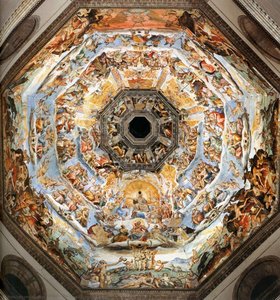
Giorgio Vasari’s *Vulcan’s Forge*, completed around 1564, resides within the hallowed halls of the Uffizi Gallery in Florence—a testament not only to Vasari’s artistic prowess but also to the burgeoning spirit of Mannerist art during Francesco I de' Medici’s reign. This deceptively small oil-on-copper painting transcends its modest dimensions, offering a profound glimpse into the intellectual and aesthetic currents shaping Renaissance Italy.
The composition is meticulously arranged around a central horse, likely serving as a symbolic representation of strength and transportation—a motif prevalent in Renaissance art. Scattered throughout the forge are nude figures – men and women – engaged in various tasks: hammering metal, observing Vulcan’s actions, and assisting with the crafting process. These figures aren't idealized representations; they possess an unsettling realism that underscores Vasari’s rejection of humanist ideals.
More than just a depiction of mythological action, *Vulcan’s Forge* speaks to broader themes of craftsmanship, dedication, and the pursuit of excellence. It reflects Vasari’s admiration for the legacy of Michelangelo and Raphael—artists who had championed expressive art over strict adherence to classical proportions. The painting's subdued palette – dominated by earthy tones – contributes to its solemn mood, inviting contemplation on the transformative power of labor and artistic vision.
Vasari’s *Vulcan’s Forge* stands as a cornerstone of Florentine Mannerist art, demonstrating Vasari’s masterful command of technique and his profound engagement with humanist scholarship. Its enduring appeal lies in its ability to capture not only the visual splendor of Renaissance Italy but also the intellectual fervor that fueled artistic innovation.


1511 - 1574 , Italija

Explore the profound history and technical mastery of woodcut relief printing. From ancient origins to German Expressionism, discover how artists use the subtractive process to create iconic works. A definitive guide for art students, collectors, and historians.

Discover the technical mastery behind Most-Famous-Paintings.com's premium Giclée canvas prints. Our guide for elite collectors explores archival pigment inks, museum-grade substrates, and the science of high-fidelity reproduction to ensure lasting beauty and historical accuracy.


Sekite naujausias meno naujienas, išskirtinius pasiūlymus ir dekoravimo idėjas.
Pasakokite mums apie savo projektą, o mūsų meno ekspertai parengs jums 3 asmeniškus meno pasiūlymus.
Leiskite mums parinkti 3 variantus būtent jums – nemokamai!


 Peržiūrėti realybėje
 Pasidalinti
 Dalintis
 Išsamiau

 Atsisiųsti
 Panašūs eksponatai
 Rentgeno nuotrauka
 Automatinė diorama
 Skaityti daugiau







 Stiklo variantas prieinamas tik pasirinkus dydį iki 110 cm