


x

Muziejų lygio „giclée“ arba drobos spausdinimas: greita gamyba ir lankstios apdailos parinktys. ( Pirkti rankomis tapytą paveikslą Pirkti vaizdą)





























Pasirinkite iš mūsų nustatytų dydžių, atitinkančių originalaus meno kūrinio proporcijas.

Galite nurodyti savo matmenis, kad vaizdas atitiktų konkretų rėmą ar erdvę. Jei pasirinktas dydis nesutaps su originalaus paveikslėlio proporcijomis, mes arba apkirpsime kūrinį, arba išplėsime vaizdą naudojant veideliu atspindėtą arba vientisą šoną. Skaitmeninis maketas bus išsiųstas jums patvirtinti prieš pradedant gamybą.
Atkreipkite dėmesį, kad ekrane matomas vaizdinys neatspindi tikrojo apkirpimo ar išplėtimo. Tik maketas tiksliai parodytų galutinę kompoziciją.
Nors galima rinktis ir individualius dydžius, rekomenduojame pasirinkti vieną iš išanksti nustatytų matmenų, kad būtų išlaikytos originalios proporcijos.
Pristatymas visame pasaulyje () per 2 weeks, o ne įprastas 4/5 savaičių laikotarpis. (22 rugpjūtis)


Nature studies (12)
Reprodukcijos matmenys
Giuseppe Arcimboldo’s oeuvre defies easy categorization, standing apart from the artistic currents of his time as a testament to singular vision and intellectual daring. Born in Milan in 1527, Arcimboldo emerged from the humanist Renaissance—a period characterized by renewed interest in classical learning and an embrace of empirical observation—to forge a path unlike any other.
These weren’t mere visual puzzles; they were profound statements about the human condition and a masterful embodiment of Renaissance symbolism. Arcimboldo's father, Biagio Arcimboldo, instilled in him an artistic sensibility that would propel him toward unprecedented experimentation.
Arcimboldo’s technique was revolutionary for its era. He employed watercolor—a medium favored by artists seeking luminous effects—with painstaking precision. Each element of his composite heads—fruits, vegetables, flowers, books—was painstakingly positioned to create a unified image that simultaneously represented the sitter and conveyed complex allegorical meanings.
The symbolism embedded within Arcimboldo’s works speaks volumes about the Renaissance preoccupation with humanist ideals and cosmological understanding. Each object selected carried specific connotations, referencing biblical narratives, mythological figures, and philosophical concepts.
Arcimboldo’s composite heads evoke a sense of wonder and intellectual curiosity. They compel viewers to engage in active interpretation, prompting reflection on themes of mortality, transformation, and the interconnectedness of nature and human intellect.

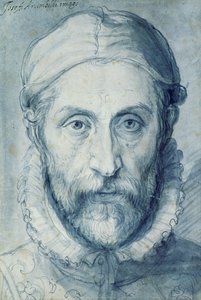
1527 - 1593 , Italija

Explore the profound history and technical mastery of watercolor painting. From medieval manuscripts to the luminous works of John Singer Sargent, discover how artists capture light and transparency through this delicate, enduring medium.


Sekite naujausias meno naujienas, išskirtinius pasiūlymus ir dekoravimo idėjas.
Pasakokite mums apie savo projektą, o mūsų meno ekspertai parengs jums 3 asmeniškus meno pasiūlymus.
Leiskite mums parinkti 3 variantus būtent jums – nemokamai!


 Peržiūrėti realybėje
 Pasidalinti
 Dalintis
 Išsamiau

 Atsisiųsti
 Panašūs eksponatai
 Rentgeno nuotrauka
 Automatinė diorama


 Skaityti daugiau







 Stiklo variantas prieinamas tik pasirinkus dydį iki 110 cm


