


x

Įsigykite aukštos skiriamosios raiškos, patobulintą skaitmeninį vaizdą, gerokai pranašesnį už internetinę peržiūrą.
Kiekvieną failą mūsų specialistai kruopščiai paruošia naudojant pažangias technologijas ir profesionalų rankinį retušavimą. Užtikriname, kad kiekvienas vaizdas pasižymėtų išskirtiniu aiškumu, tikslia spalvų atspalviu ir smulkiomis detalėmis.
Baigiamas failas el. paštu pristatomas per 72 valandas; jis optimizuotas nedelsiant naudojimui profesionalioje, redakcinėje ir spausdinimo aplinkoje. Tai ta pati kokybė, kuria pasitiki aukščiausios klasės dizaino studijos, leidyklos ir galerijos.
Atsisiųskite didelės raiškos failą asmeniniam naudojimui, spausdinimui ir kūrybiniams projektams. ( Pirkti spaudinį Pirkti rankomis tapytą paveikslą)
Pasirinkę Most-Famous-Paintings.com, jūs ne tik gaunate paveikslėlį – jūs gaunate profesionaliai patobudintą skaitmeninį kūrinį, sukurtą itin tikniai ir užtikrinantį pasitenkinimą. Štai viską, kas automatiškai pritékia jūsų užsakymui:

Jūsų aukštos raiškos skaitmeninis vaizdo failas bus išsiųstas jums el. paštu per 72 valaudas nuo užsakymo – paruoštas naudojimui be jokių papildomų veiksmų.

Jūsų meno kūrinys profesionaliai optimizuojamas naudojant pažangius dirbtinio intelekto įrankius ir rankinį redagavimą, užtikrinant maksimalią detalę, aiškumą ir spalvų tikslumą.

Atsitiktinai ištrytikote ar praradote savo failą? Nebijokite – bet kuriuo metu atsiųsime jį jums vėl nemokamai.

Mėgaukitės savo meno kūriniu akimirka – skaitiniai failai visada yra neapmokestinami, todėl nereikės mokėti muitinės, mokesčių ar pristatymo mokesčių.

Naudodami profesionalią įrangą ir spalvų valdymo sistemas, užtikriname, kad jūsų skaitmeninis vaizdas kuo tiksliau atspindėtų originalias spalvas.

Jei nebuvate patenkinti savo skaitinio vaizdo, per 60 dienų jį pertaisysime arba grąkinsime 100% sumą – be jokių klausimų.

Nepat 만족inti? Gaukite visą sumokėtą sumą per 60 dienų nuo skaitmeninio failo gavimo – be jokių papildomų klausimų.

Pirkti 3 nuotraukas – pasiūla 10% - Pirkti 5 – pasiūla 15% - Pirkti 10 ir daugiau – pasiūla 20%. Puikiai tinka kūrybiniams projektams, galerijoms bei agentūroms.
Giuseppe Arcimboldo (1527-1593) wasn't merely a painter; he was an architect of perception, a master illusionist who transformed the mundane into the magnificent. His "Nature Studies," particularly those featuring vibrant depictions of flora and fauna interwoven to create arresting portraits, stand as testaments to his singular vision and a profound engagement with the intellectual currents of the late Renaissance. These aren’t simple still lifes; they are carefully constructed allegories, brimming with symbolism that speaks volumes about the era's fascination with nature, humanism, and the delicate balance between the earthly and the divine.
Born in Milan, Arcimboldo initially honed his skills as a court painter for the Habsburg emperors in Vienna and Prague. However, it was during his time at Rudolf II’s court in Prague that he truly blossomed, developing his signature style – composite portraits built entirely from meticulously arranged fruits, vegetables, flowers, and even animal parts. This technique wasn't born of mere whimsy; it reflected a deep understanding of Renaissance philosophy, particularly the Neoplatonic belief that all things are interconnected through nature’s divine order. The emperor himself, a renowned collector of curiosities and an avid patron of the arts and sciences, provided the perfect environment for Arcimboldo's inventive spirit to flourish.
Arcimboldo’s technique was deceptively complex. He didn’t simply glue objects onto a canvas; he painstakingly sculpted them, layering textures and colors to create an illusion of depth and volume. The use of watercolor on parchment – a medium known for its delicate transparency and ability to capture subtle nuances of color – further enhanced the ethereal quality of his works. The careful selection of each element—the precise arrangement of leaves, the ripeness of the fruit, the angle of a flower—was deliberate, contributing to the overall composition’s harmony and conveying specific meanings. The portraits themselves are remarkably detailed, inviting close inspection and revealing an astonishing level of technical skill.
Consider, for example, “The Librarian” (1591), where Arcimboldo transforms a man's head into a towering stack of books, scrolls, and writing implements. Each element—the spectacles perched on the nose, the quill pen held aloft—is not merely decorative but symbolic. The abundance of books represents knowledge and learning, while the inclusion of various instruments (a lute, a trumpet) suggests musicality and intellectual pursuits. Even seemingly random objects, like the curtain forming the man’s beard, carry significance, referencing the organized structure of a library.
Arcimboldo's work is rich in symbolism, reflecting the core values of the Renaissance. The emphasis on nature—a central theme throughout his oeuvre—mirrors the humanist belief that humans are inherently connected to the natural world. The use of seasonal elements – fruits, vegetables, and flowers – speaks to the cyclical rhythms of life and death, mirroring the Neoplatonic concept of reincarnation. Furthermore, the composite portraits themselves can be interpreted as allegories for the emperor’s reign, embodying his wisdom, power, and connection to the natural order.
The choice of specific objects within each portrait often held particular significance. For instance, in “Vertumnus,” a painting depicting the Roman god of fertility and seasons, Arcimboldo employed an astonishing array of fruits and vegetables—pears, apples, grapes, pumpkins—to create a vibrant representation of Rudolf II’s power and dominion over nature. The inclusion of these elements wasn't arbitrary; it was carefully calculated to convey specific messages about the emperor’s authority and his connection to the natural world.
Giuseppe Arcimboldo’s “Nature Studies” remain captivating works of art, offering a unique glimpse into the intellectual and artistic landscape of the Renaissance. His innovative technique, combined with his profound understanding of symbolism and humanist ideals, cemented his place as one of the most original and influential artists of his time. Today, these remarkable portraits continue to inspire awe and wonder, reminding us of the power of art to transform our perception of reality and reveal the hidden beauty within the ordinary.

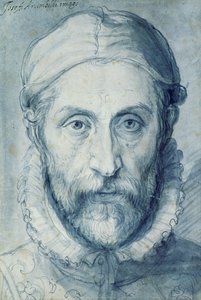
1527 - 1593 , Italija


Sekite naujausias meno naujienas, išskirtinius pasiūlymus ir dekoravimo idėjas.
Pasakokite mums apie savo projektą, o mūsų meno ekspertai parengs jums 3 asmeniškus meno pasiūlymus.
Leiskite mums parinkti 3 variantus būtent jums – nemokamai!


 Peržiūrėti realybėje
 Pasidalinti
 Dalintis
 Išsamiau

 Atsisiųsti
 Panašūs eksponatai
 Rentgeno nuotrauka
 Automatinė diorama

 Skaityti daugiau


