


x

 Preview
 Pirkti atspaudą Užsisakyti kopiją
 Pasidalinti
 Išsamiau
 Pridėti į mėgstamiausius
 Atsisiųsti
 Panašūs eksponatai
 Rentgeno nuotrauka
 Automatinė diorama
Įsigykite aukštos skiriamosios raiškos, patobulintą skaitmeninį vaizdą, gerokai pranašesnį už internetinę peržiūrą.
Kiekvieną failą mūsų specialistai kruopščiai paruošia naudojant pažangias technologijas ir profesionalų rankinį retušavimą. Užtikriname, kad kiekvienas vaizdas pasižymėtų išskirtiniu aiškumu, tikslia spalvų atspalviu ir smulkiomis detalėmis.
Baigiamas failas el. paštu pristatomas per 72 valandas; jis optimizuotas nedelsiant naudojimui profesionalioje, redakcinėje ir spausdinimo aplinkoje. Tai ta pati kokybė, kuria pasitiki aukščiausios klasės dizaino studijos, leidyklos ir galerijos.
Atsisiųskite didelės raiškos failą asmeniniam naudojimui, spausdinimui ir kūrybiniams projektams.
Pasirinkę Most-Famous-Paintings.com, jūs ne tik gaunate paveikslėlį – jūs gaunate profesionaliai patobudintą skaitmeninį kūrinį, sukurtą itin tikniai ir užtikrinantį pasitenkinimą. Štai viską, kas automatiškai pritékia jūsų užsakymui:

Jūsų aukštos raiškos skaitmeninis vaizdo failas bus išsiųstas jums el. paštu per 72 valaudas nuo užsakymo – paruoštas naudojimui be jokių papildomų veiksmų.

Jūsų meno kūrinys profesionaliai optimizuojamas naudojant pažangius dirbtinio intelekto įrankius ir rankinį redagavimą, užtikrinant maksimalią detalę, aiškumą ir spalvų tikslumą.

Atsitiktinai ištrytikote ar praradote savo failą? Nebijokite – bet kuriuo metu atsiųsime jį jums vėl nemokamai.

Mėgaukitės savo meno kūriniu akimirka – skaitiniai failai visada yra neapmokestinami, todėl nereikės mokėti muitinės, mokesčių ar pristatymo mokesčių.

Naudodami profesionalią įrangą ir spalvų valdymo sistemas, užtikriname, kad jūsų skaitmeninis vaizdas kuo tiksliau atspindėtų originalias spalvas.

Jei nebuvate patenkinti savo skaitinio vaizdo, per 60 dienų jį pertaisysime arba grąkinsime 100% sumą – be jokių klausimų.

Nepat 만족inti? Gaukite visą sumokėtą sumą per 60 dienų nuo skaitmeninio failo gavimo – be jokių papildomų klausimų.

Pirkti 3 nuotraukas – pasiūla 10% - Pirkti 5 – pasiūla 15% - Pirkti 10 ir daugiau – pasiūla 20%. Puikiai tinka kūrybiniams projektams, galerijoms bei agentūroms.
Born on October 28, 1909, in Dublin, Ireland, Francis Bacon’s life and art were inextricably linked to a profound sense of unease and existential questioning. His early years were marked by instability – his parents separated when he was young, and he spent much of his childhood moving between various relatives. This fragmented upbringing profoundly shaped his artistic vision, fostering a deep-seated preoccupation with isolation, pain, and the fragility of human existence. Unlike many artists who sought to capture beauty or idealized forms, Bacon relentlessly pursued the grotesque, the unsettling, and the raw depiction of psychological torment. He famously stated that he “saw images in series,” suggesting an almost compulsive need to return to recurring motifs – distorted faces, screaming figures, and fragmented bodies – each iteration imbued with a unique layer of anguish.
Bacon’s formal artistic training was minimal; he received only brief instruction at Yale University and the Art Students League in New York. This lack of traditional academic grounding proved liberating, allowing him to develop his intensely personal and idiosyncratic style. He began his career as an interior decorator and bon vivant in London's Soho district, a vibrant hub of artists, writers, and intellectuals. This bohemian lifestyle fueled his artistic exploration, providing him with a network of friends – Lucian Freud, John Deakin, Henrietta Moraes, and others – who became recurring subjects in his work. These figures weren’t simply portraits; they were embodiments of the anxieties and passions that consumed Bacon.
Bacon's artistic journey can be broadly divided into several distinct periods, each characterized by a specific thematic focus. His early work in the 1930s, often referred to as “bio-morphs,” featured distorted, almost embryonic figures – a direct influence of Picasso’s work—that seemed to emerge from a primal darkness. These figures were frequently enclosed within geometric structures, suggesting a sense of confinement and psychological distress. As World War II loomed, Bacon's art became increasingly preoccupied with violence and suffering, culminating in the harrowing *Three Studies for Figures at the Base of a Crucifixion* (1944), a triptych depicting three screaming figures emerging from a pool of blood.
The 1940s saw the emergence of his iconic “male heads” – isolated, staring faces trapped within claustrophobic rooms or enclosed by sharp angles. These images powerfully conveyed feelings of loneliness, paranoia, and impending doom. In the mid-to-late 1950s, Bacon shifted his attention to animals—particularly hens and pigs—and lone figures, often depicted in dramatic, almost theatrical poses. This period marked a move towards greater abstraction, with forms becoming increasingly fragmented and distorted. The 1960s brought a renewed focus on crucifixions, reflecting the artist’s growing interest in mortality and religious iconography. Finally, in his later years, Bacon returned to portraits of friends and companions, often rendered in somber, technical paintings that seemed to capture the passage of time and the inevitability of death – exemplified by *The Black Triptychs* (1982-1985).
Bacon’s art was shaped by a diverse range of influences. He admired the work of artists such as Picasso, whose distorted figures provided a starting point for his own explorations of form and expression. He also drew inspiration from Surrealism, particularly the works of Max Ernst and Salvador Dalí, which explored the subconscious mind and the irrationality of human experience. Bacon’s technique was equally innovative. He employed a distinctive method of applying paint directly to the canvas with minimal preparation, often using rags, knives, and other tools to create textured surfaces and jagged edges. His use of color was deliberately jarring – harsh reds, yellows, and blacks dominated his palette, contributing to the overall sense of unease and drama in his paintings.
Francis Bacon died on April 28, 1992, leaving behind a body of work that continues to challenge and disturb viewers. His art is often described as “nightmarish” or “grotesque,” but it also possesses a profound emotional resonance. Bacon’s unflinching depiction of human suffering—both physical and psychological—has cemented his place as one of the most important artists of the 20th century. He rejected traditional notions of beauty and representation, instead offering a brutally honest and deeply unsettling vision of the human condition. His influence on subsequent generations of artists is undeniable, and his work remains a powerful testament to the enduring power of art to confront us with our own mortality.
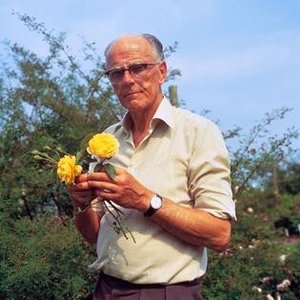
1909 - 2003 , United Kingdom


Sekite naujausias meno naujienas, išskirtinius pasiūlymus ir dekoravimo idėjas.
Pasakokite mums apie savo projektą, o mūsų meno ekspertai parengs jums 3 asmeniškus meno pasiūlymus.
Leiskite mums parinkti 3 variantus būtent jums – nemokamai!


 Dalintis


 Skaityti daugiau