x

Muziejų lygio „giclée“ arba drobos spausdinimas: greita gamyba ir lankstios apdailos parinktys. ( Pirkti rankomis tapytą paveikslą Pirkti vaizdą)





























Pasirinkite iš mūsų nustatytų dydžių, atitinkančių originalaus meno kūrinio proporcijas.

Galite nurodyti savo matmenis, kad vaizdas atitiktų konkretų rėmą ar erdvę. Jei pasirinktas dydis nesutaps su originalaus paveikslėlio proporcijomis, mes arba apkirpsime kūrinį, arba išplėsime vaizdą naudojant veideliu atspindėtą arba vientisą šoną. Skaitmeninis maketas bus išsiųstas jums patvirtinti prieš pradedant gamybą.
Atkreipkite dėmesį, kad ekrane matomas vaizdinys neatspindi tikrojo apkirpimo ar išplėtimo. Tik maketas tiksliai parodytų galutinę kompoziciją.
Nors galima rinktis ir individualius dydžius, rekomenduojame pasirinkti vieną iš išanksti nustatytų matmenų, kad būtų išlaikytos originalios proporcijos.
Pristatymas visame pasaulyje () per 2 weeks, o ne įprastas 4/5 savaičių laikotarpis. (14 rugpjūtis)


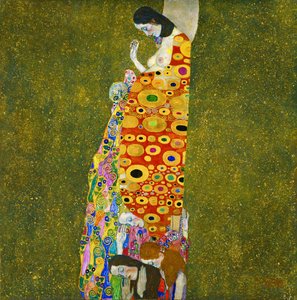
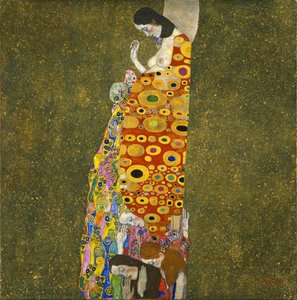
Januar
Reprodukcijos matmenys
Gustav Klimt's “Januar,” painted in 1901, stands as a quintessential emblem of the Art Nouveau movement—a stylistic revolution that sought to fuse organic forms with decorative grandeur. More than just a depiction of a winter landscape, this artwork delves into profound themes of transformation and spiritual aspiration, reflecting Klimt’s fascination with mythology and symbolism.
Executed in pen and ink with meticulous detail, “Januar” exemplifies Klimt’s mastery of line work—a technique honed through years of artistic practice. The artist skillfully employs hatching and cross-hatching to achieve tonal variations, adding depth and texture to the artwork. The predominant medium is black ink on paper, chosen for its ability to convey subtle nuances of shading and create a striking contrast between light and dark.
Beyond its formal beauty, “Januar” resonates with rich symbolic meaning. The angelic figures embody divine benevolence and safeguard the lovers’ union, while birds represent aspiration and the promise of a fresh start—perfectly aligning with the significance of January as the beginning of a new year. Klimt's deliberate use of color—or lack thereof—further enhances the artwork’s emotional impact, fostering contemplation on themes of love, spirituality, and the cyclical nature of existence.
"Januar" was created during Klimt's “Golden Phase,” a period marked by opulent ornamentation and an obsession with gold leaf—a technique that elevates the artwork to a level of unparalleled splendor. This piece stands alongside other masterpieces from Klimt’s oeuvre, cementing his position as one of Austria’s most celebrated artists and securing his place within the annals of Art Nouveau history. Its enduring appeal continues to inspire collectors and interior designers alike who seek to infuse their spaces with elegance and artistic sophistication.

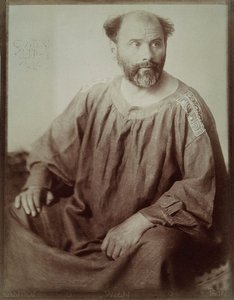
1862 - 1918 , Austrija
Atraskite 25 įspūdingiausius Gustavo Klimto kūrinius! Išsami analizė, istorijos ir simbolizmas. Įkvėpkite interjerui aukso spalvos paveikslus iš Vienos secesijos laikų. Kokybiškos reprodukcijos – Most-Famous-Paintings.com

Delve into the power of 'Ivory Black' with 10 iconic paintings by masters like Rembrandt & Caravaggio. Explore dramatic chiaroscuro, gothic moods & timeless art history. Find museum-quality reproductions and elevate your home decor at

Explore 10 iconic paintings dominated by black tones, from Rembrandt’s chiaroscuro to Goya's dark expressions. Discover the stories behind these masterpieces & find museum-quality art reproductions for your home at .
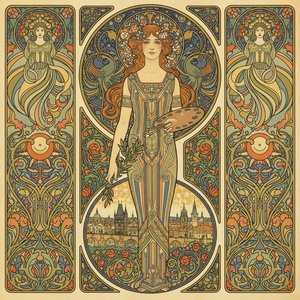
Explore the life & art of Alphonse Mucha, master of Art Nouveau! Discover his iconic posters, stunning illustrations, and the monumental Slav Epic. A comprehensive guide for collectors & enthusiasts.
Delve into the power of 'Mars Black' with 10 iconic paintings by masters like Rembrandt & Caravaggio. Explore dramatic chiaroscuro, gothic art, and timeless beauty. Find museum-quality reproductions & elevate your home decor on .


Sekite naujausias meno naujienas, išskirtinius pasiūlymus ir dekoravimo idėjas.
Pasakokite mums apie savo projektą, o mūsų meno ekspertai parengs jums 3 asmeniškus meno pasiūlymus.
Leiskite mums parinkti 3 variantus būtent jums – nemokamai!


 Peržiūrėti realybėje
 Pasidalinti
 Dalintis
 Išsamiau

 Atsisiųsti
 Panašūs eksponatai
 Rentgeno nuotrauka
 Automatinė diorama
 Skaityti daugiau







 Stiklo variantas prieinamas tik pasirinkus dydį iki 110 cm