x

 Pirkti atspaudą Pirkti skaitmeninį paveikslą
 Pasidalinti
 Išsamiau
 Pridėti į mėgstamiausius
 Atsisiųsti
 Panašūs eksponatai
 Rentgeno nuotrauka
 Automatinė diorama
 Acrylic On CanvasWallArtArt Nouveau
 1901
1901 84.0 x 42.0 cm
Rankiniu būdu tapytas aliejus ant droblio jūsų pageidaujamame dydį ir rėmuose – mūsų menininkų darbas pagal užsakymą.
Pasirinkite iš mūsų nustatytų dydžių, atitinkančių originalaus meno kūrinio proporcijas.

Galite įvesti savo matmenis, kad jie atitiktų konkretų rėmą ar erdvę. Jei pasirinktas dydis neatitinka originalaus paveikslėlio proporcijų, mes arba apkropsime meno kūrinį, arba papildysime tapybą rankomis dažytい elementais. Prieš pradėdami gamybą, jūsų patvirtinimui atsiųsime skaitmeninį maketą.
Atkreipkite dėmesį, kad ekrane rodomas vaizdas neatspindi tikrojo apkarpymo ar papildymo. Tik maketas tiksliai parodys galutinę kompoziciją.
Nors galima rinktis ir individualius dydžius, rekomenduojame pasirinkti matmenis iš nustatytos sąrašo, kad būtų išlaikytos originalios proporcijos.
Pristatymas visame pasaulyje () per 3–4 savaites, o ne įprastai – per 5 savaites. (22 liepa). Kokybė lieka nepakeičiama.


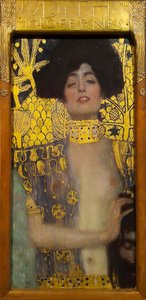
Judith
Reprodukcijos matmenys
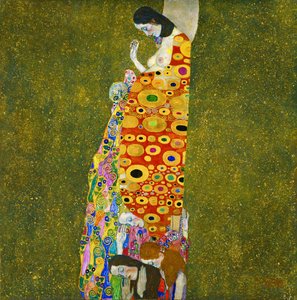
Gustav Klimt’s “Judith I,” completed in 1901, stands as a cornerstone of Viennese Secession art and an enduring emblem of female empowerment within the Symbolist movement. Painted on canvas measuring 84 x 42 cm, this monumental artwork immediately captivates with its lavish application of gold leaf—a technique deeply rooted in Klimt’s family heritage and reflecting the opulent tastes of the era.
“Judith I” emerged during a period of profound artistic and intellectual ferment in Vienna—the Austro-Hungarian Empire was grappling with rapid industrialization, social upheaval, and burgeoning avant-garde movements. Klimt’s Secessionists sought to break away from academic conventions and forge a new path for Austrian art, rejecting the rigid formalism of the past in favor of expressive experimentation.
Beyond its formal brilliance, "Judith I" speaks powerfully to themes of female strength, vulnerability, and ultimate triumph. Judith's gaze is unwavering, conveying resilience in the face of adversity—a deliberate inversion of traditional depictions where women were often portrayed as passive objects of desire.
"Judith I" continues to resonate with viewers today because it captures an enduring human experience: the courage to confront injustice and reclaim one’s autonomy. Klimt’s masterful manipulation of color, texture, and symbolism elevates this biblical tale into a timeless meditation on feminine resilience—a testament to his artistic genius and a cornerstone of Viennese Secession’s legacy.

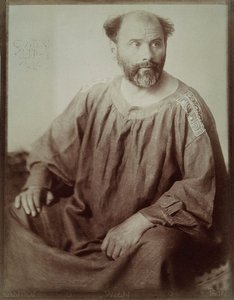
1862 - 1918 , Austrija
Atraskite 25 įspūdingiausius Gustavo Klimto kūrinius! Išsami analizė, istorijos ir simbolizmas. Įkvėpkite interjerui aukso spalvos paveikslus iš Vienos secesijos laikų. Kokybiškos reprodukcijos – Most-Famous-Paintings.com

Atraskite 10 legendinių Art Nouveau šedevrų! Gustav Klimt, Alphonse Mucha ir daugiau – meniniai pasiekimai, apibrėžę dekoratyvinio meno epochą. Pasinerkite į istorijas, spalvas ir grožį. Kokybiškos dailės reprodukcijos ir interjero idėjos Most-Famous-Paintings.com.

Atraskite 25 įspūdingiausius Metropoliteno meno muziejaus kūrinius! Claude Monet, van Gogh ir kiti meistrai – paveikslų istorijos, spalvų paletės bei interjero dekoravimo idėjos. Meno reprodukcijos aukščiausia kokybe Most-Famous-Paintings.com
Atraskite 25 Georges Braque šedevrus! Kubizmo meistro paveikslai, interjero dekoras ir meno istorija. Meno reprodukcijos aukščiausia kokybe – Most-Famous-Paintings.com. Išsamesnės informacijos rasite internetu.
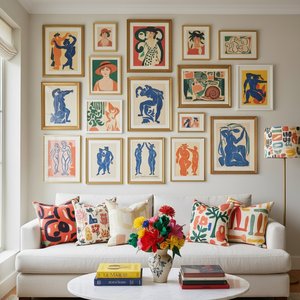
Atraskite 25 įspūdingiausius Henri Matisse šedevrus! Sužinokite apie Fauvizmą, spalvų magiją ir prancūzų dailininko kūrybos istorijas. Meno reprodukcijos jūsų interjerui – Most-Famous-Paintings.com


Sekite naujausias meno naujienas, išskirtinius pasiūlymus ir dekoravimo idėjas.
Pasakokite mums apie savo projektą, o mūsų meno ekspertai parengs jums 3 asmeniškus meno pasiūlymus.
Leiskite mums parinkti 3 variantus būtent jums – nemokamai!


 Dalintis

 Skaityti daugiau




































 Stiklo variantas prieinamas tik pasirinkus dydį iki 110 cm