x


 Užsisakyti kopiją Pirkti skaitmeninį paveikslą
 Pasidalinti
 Išsamiau
 Pridėti į mėgstamiausius
 Atsisiųsti
 Panašūs eksponatai
 Rentgeno nuotrauka
 Automatinė diorama
Muziejų lygio „giclée“ arba drobos spausdinimas: greita gamyba ir lankstios apdailos parinktys.
Pasirinkite iš mūsų nustatytų dydžių, atitinkančių originalaus meno kūrinio proporcijas.

Galite nurodyti savo matmenis, kad vaizdas atitiktų konkretų rėmą ar erdvę. Jei pasirinktas dydis nesutaps su originalaus paveikslėlio proporcijomis, mes arba apkirpsime kūrinį, arba išplėsime vaizdą naudojant veideliu atspindėtą arba vientisą šoną. Skaitmeninis maketas bus išsiųstas jums patvirtinti prieš pradedant gamybą.
Atkreipkite dėmesį, kad ekrane matomas vaizdinys neatspindi tikrojo apkirpimo ar išplėtimo. Tik maketas tiksliai parodytų galutinę kompoziciją.
Nors galima rinktis ir individualius dydžius, rekomenduojame pasirinkti vieną iš išanksti nustatytų matmenų, kad būtų išlaikytos originalios proporcijos.
Pristatymas visame pasaulyje () per 2 weeks, o ne įprastas 4/5 savaičių laikotarpis. (21 liepa)


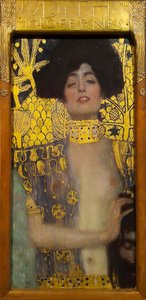
Jurisprudence
Reprodukcijos matmenys
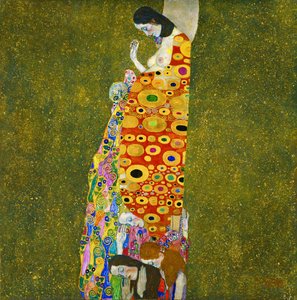
Gustav Klimt’s “Jurisprudence,” completed in 1907, stands as a monumental testament to the Art Nouveau movement's fascination with opulent decoration and symbolic representation. More than just a painting; it was conceived as part of a grand ceiling mural for Vienna University’s Great Hall—a project tragically lost to fire—making its surviving reproductions even more precious.
The artwork depicts Justice, Law and Truth as intertwined figures battling against turbulent waves—a visual metaphor for the challenges faced in upholding moral principles amidst societal pressures. The central figure embodies Justice herself, adorned with a robe embellished with geometric patterns reminiscent of Byzantine mosaics. Surrounding her are representations of Philosophy and Medicine, symbolizing intellect and healing – elements crucial to fostering a balanced society.
However, “Jurisprudence”’s true brilliance lies in its decorative complexity. Klimt employed a technique known as cloisonné enamel—a method traditionally used for liturgical objects—to create textured surfaces filled with shimmering gold leaf and vibrant pigments. These interwoven lines and patterns aren't merely ornamental; they actively contribute to the painting’s narrative, representing the labyrinthine nature of legal proceedings and the struggle for moral clarity.
A prominent motif is a figure standing upright, clutching a torch aloft—a symbol of enlightenment and illumination battling against the encroaching darkness. Above him floats a tapestry bearing the Latin word “LEX,” emphasizing the importance of law as a guiding force. The overall impression is one of profound contemplation – Klimt invites us to consider not only legal matters but also the ethical dilemmas inherent in navigating life’s complexities.
“Jurisprudence” continues to resonate with audiences today, serving as an enduring emblem of Art Nouveau's ambition to elevate art beyond mere visual pleasure into a vehicle for conveying philosophical and moral truths. Its exquisite craftsmanship and evocative symbolism solidify Klimt’s place among the most influential artists of his era.

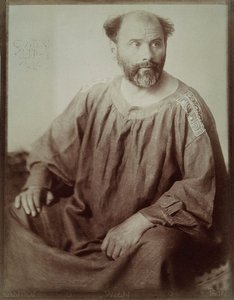
1862 - 1918 , Austrija
Atraskite 25 įspūdingiausius Gustavo Klimto kūrinius! Išsami analizė, istorijos ir simbolizmas. Įkvėpkite interjerui aukso spalvos paveikslus iš Vienos secesijos laikų. Kokybiškos reprodukcijos – Most-Famous-Paintings.com

Atraskite 10 legendinių Art Nouveau šedevrų! Gustav Klimt, Alphonse Mucha ir daugiau – meniniai pasiekimai, apibrėžę dekoratyvinio meno epochą. Pasinerkite į istorijas, spalvas ir grožį. Kokybiškos dailės reprodukcijos ir interjero idėjos Most-Famous-Paintings.com.

Atraskite 25 įspūdingiausius Metropoliteno meno muziejaus kūrinius! Claude Monet, van Gogh ir kiti meistrai – paveikslų istorijos, spalvų paletės bei interjero dekoravimo idėjos. Meno reprodukcijos aukščiausia kokybe Most-Famous-Paintings.com

Journey through art history with our Top 10 bronze sculptures! Explore masterpieces by Rodin, Michelangelo & more. Discover stories behind iconic statues and find museum-quality reproductions for your home decor at Most-Famous-Paintings.com.

Atraskite Detroito meno instituto 25 geriausius šedevrus! Van Goghas, Monet ir kiti garsūs dailininkai. Tapybos istorijos, interjero dekoravimo idėjos bei aukštos kokybės reprodukcijos Most-Famous-Paintings.com. Explore the full collection online!


Sekite naujausias meno naujienas, išskirtinius pasiūlymus ir dekoravimo idėjas.
Pasakokite mums apie savo projektą, o mūsų meno ekspertai parengs jums 3 asmeniškus meno pasiūlymus.
Leiskite mums parinkti 3 variantus būtent jums – nemokamai!


 Dalintis


 Skaityti daugiau




































 Stiklo variantas prieinamas tik pasirinkus dydį iki 110 cm