x


 Preview
 Pirkti atspaudą Pirkti skaitmeninį paveikslą
 Pasidalinti
 Išsamiau
 Pridėti į mėgstamiausius
 Atsisiųsti
 Panašūs eksponatai
 Rentgeno nuotrauka
 Automatinė diorama
 Aliejus ant drobėsSieninis menasVienna Secession
 1898XIX amžius
 145.0 x 146.0 cm
Rankiniu būdu tapytas aliejus ant droblio jūsų pageidaujamame dydį ir rėmuose – mūsų menininkų darbas pagal užsakymą.





























Pasirinkite iš mūsų nustatytų dydžių, atitinkančių originalaus meno kūrinio proporcijas.

Galite įvesti savo matmenis, kad jie atitiktų konkretų rėmą ar erdvę. Jei pasirinktas dydis neatitinka originalaus paveikslėlio proporcijų, mes arba apkropsime meno kūrinį, arba papildysime tapybą rankomis dažytい elementais. Prieš pradėdami gamybą, jūsų patvirtinimui atsiųsime skaitmeninį maketą.
Atkreipkite dėmesį, kad ekrane rodomas vaizdas neatspindi tikrojo apkarpymo ar papildymo. Tik maketas tiksliai parodys galutinę kompoziciją.
Nors galima rinktis ir individualius dydžius, rekomenduojame pasirinkti matmenis iš nustatytos sąrašo, kad būtų išlaikytos originalios proporcijos.
Pristatymas visame pasaulyje () per 3–4 savaites, o ne įprastai – per 5 savaites. (26 liepa). Kokybė lieka nepakeičiama.


Sonja Knips
Reprodukcijos matmenys
Gustav Klimt's 1898 portrait of Sonja Knips is a pivotal work, marking a significant step in the artist’s development and embodying the spirit of the Vienna Secession. This captivating painting offers more than just a likeness; it’s a window into a world of burgeoning artistic freedom, subtle symbolism, and the complex relationship between artist and muse.
The portrait depicts Sonja Knips (née Freifrau Potier des Echelles), a friend of Klimt and wife of industrialist Anton Knips. She is presented as a vision in pale pink silk, her gaze directed outward with an air of enigmatic composure. The setting is deliberately ambiguous – a dark, densely patterned background of floral motifs creates a sense of intimacy yet also hints at hidden depths. This backdrop isn’t merely decorative; it serves to accentuate the figure and contribute to the painting's overall mood.
Sonja Knips was first exhibited at the second exhibition of the Vienna Secession in 1898. This association is crucial; the Secession represented a rebellion against the conservative artistic establishment, advocating for greater artistic freedom and embracing new styles like Symbolism and Art Nouveau. Klimt was a leading figure in this movement, and this portrait exemplifies its ideals – a rejection of academic convention in favor of innovative expression.
Sonja Knips is not simply a portrait; it’s a testament to Klimt's evolving style and his ability to capture both the physical likeness and psychological depth of his subjects. It stands as an important precursor to his iconic “Golden Phase” and continues to resonate with viewers today, offering a captivating glimpse into Vienna’s artistic golden age.

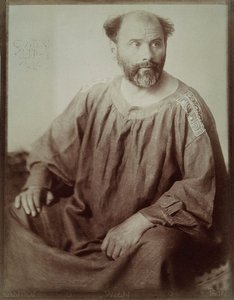
1862 - 1918 , Austrija
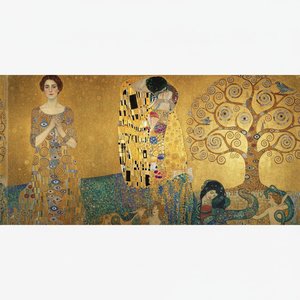
Atraskite 25 įspūdingiausius Gustavo Klimto kūrinius! Išsami analizė, istorijos ir simbolizmas. Įkvėpkite interjerui aukso spalvos paveikslus iš Vienos secesijos laikų. Kokybiškos reprodukcijos – Most-Famous-Paintings.com

Explore 10 iconic portrait paintings – from Mona Lisa to Van Gogh’s self-portraits. Discover the stories behind these masterpieces, artistic techniques & find museum-quality art reproductions for your home at Most-Famous-Paintings.com.

Atraskite 10 legendinių Art Nouveau šedevrų! Gustav Klimt, Alphonse Mucha ir daugiau – meniniai pasiekimai, apibrėžę dekoratyvinio meno epochą. Pasinerkite į istorijas, spalvas ir grožį. Kokybiškos dailės reprodukcijos ir interjero idėjos Most-Famous-Paintings.com.

Explore the captivating world of Gustav Klimt with Most-Famous-Paintings. Discover his iconic paintings, the Vienna Secession movement, & enduring legacy. High-quality reproductions available.

Discover the revolutionary Vienna Secession art movement! Explore Klimt, Olbrich & more. Learn about its history, characteristics & lasting influence on modern art. High-quality reproductions available.


Sekite naujausias meno naujienas, išskirtinius pasiūlymus ir dekoravimo idėjas.
Pasakokite mums apie savo projektą, o mūsų meno ekspertai parengs jums 3 asmeniškus meno pasiūlymus.
Leiskite mums parinkti 3 variantus būtent jums – nemokamai!


 Dalintis

 Skaityti daugiau







 Stiklo variantas prieinamas tik pasirinkus dydį iki 110 cm