x

Muziejų lygio „giclée“ arba drobos spausdinimas: greita gamyba ir lankstios apdailos parinktys. ( Pirkti rankomis tapytą paveikslą Pirkti vaizdą)





























Pasirinkite iš mūsų nustatytų dydžių, atitinkančių originalaus meno kūrinio proporcijas.

Galite nurodyti savo matmenis, kad vaizdas atitiktų konkretų rėmą ar erdvę. Jei pasirinktas dydis nesutaps su originalaus paveikslėlio proporcijomis, mes arba apkirpsime kūrinį, arba išplėsime vaizdą naudojant veideliu atspindėtą arba vientisą šoną. Skaitmeninis maketas bus išsiųstas jums patvirtinti prieš pradedant gamybą.
Atkreipkite dėmesį, kad ekrane matomas vaizdinys neatspindi tikrojo apkirpimo ar išplėtimo. Tik maketas tiksliai parodytų galutinę kompoziciją.
Nors galima rinktis ir individualius dydžius, rekomenduojame pasirinkti vieną iš išanksti nustatytų matmenų, kad būtų išlaikytos originalios proporcijos.
Pristatymas visame pasaulyje () per 2 weeks, o ne įprastas 4/5 savaičių laikotarpis. (18 rugpjūtis)


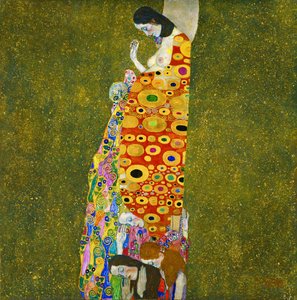
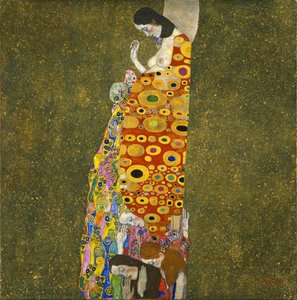
Youth
Reprodukcijos matmenys
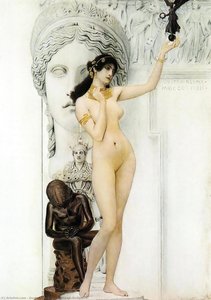
Gustav Klimt’s “Youth,” completed in 1882, stands as a cornerstone of Viennese Secessionist art—a movement that irrevocably challenged the conventions of academic painting and ushered in an era of bold experimentation. This striking monochrome drawing captures a moment frozen in time: two women positioned before a monumental statue, embodying idealized femininity and intellectual contemplation.
“Youth” emerged during a period of profound intellectual ferment in Vienna—the Austro-Hungarian Empire was grappling with rapid industrialization and social change. Klimt’s Secessionists rejected the rigid hierarchies of academic art, advocating for artistic freedom and embracing influences from Byzantine mosaics and Celtic ornamentation. This stylistic rebellion signaled a decisive break from tradition, establishing Klimt as a pivotal figure in shaping the visual landscape of the late nineteenth century.
The pervasive use of floral motifs throughout “Youth” speaks volumes about Klimt’s preoccupation with symbolism. Flowers represent rebirth, purity, and divine grace—concepts deeply rooted in Christian iconography but reimagined through a distinctly pagan lens. The statue before which the women stand symbolizes strength and permanence, juxtaposed against the vulnerability embodied by the infant child. This deliberate contrast underscores Klimt's exploration of duality—the interplay between masculine and feminine energies, earthly existence and spiritual aspiration.
"Youth" transcends mere representation; it aspires to capture a state of profound emotional depth. Klimt’s masterful draughtsmanship conveys an aura of serenity and contemplation, inviting viewers to contemplate the beauty of innocence and the promise of artistic creativity. The drawing's understated elegance—its deliberate avoidance of flamboyant ornamentation—further enhances its impact, leaving behind a lasting impression of timeless grace and intellectual curiosity.

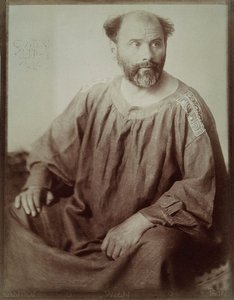
1862 - 1918 , Austrija

Explore the profound impact of the Vienna Secession movement. Discover how visionaries like Gustav Klimt revolutionized modern art through symbolism, gold leaf, and the concept of Gesamtkunstwerk in this expert-led historical guide.


Sekite naujausias meno naujienas, išskirtinius pasiūlymus ir dekoravimo idėjas.
Pasakokite mums apie savo projektą, o mūsų meno ekspertai parengs jums 3 asmeniškus meno pasiūlymus.
Leiskite mums parinkti 3 variantus būtent jums – nemokamai!


 Peržiūrėti realybėje
 Pasidalinti
 Dalintis
 Išsamiau

 Atsisiųsti
 Panašūs eksponatai
 Rentgeno nuotrauka
 Automatinė diorama


 Skaityti daugiau







 Stiklo variantas prieinamas tik pasirinkus dydį iki 110 cm