


x

Muziejų lygio „giclée“ arba drobos spausdinimas: greita gamyba ir lankstios apdailos parinktys. ( Pirkti rankomis tapytą paveikslą Pirkti vaizdą)





























Pasirinkite iš mūsų nustatytų dydžių, atitinkančių originalaus meno kūrinio proporcijas.

Galite nurodyti savo matmenis, kad vaizdas atitiktų konkretų rėmą ar erdvę. Jei pasirinktas dydis nesutaps su originalaus paveikslėlio proporcijomis, mes arba apkirpsime kūrinį, arba išplėsime vaizdą naudojant veideliu atspindėtą arba vientisą šoną. Skaitmeninis maketas bus išsiųstas jums patvirtinti prieš pradedant gamybą.
Atkreipkite dėmesį, kad ekrane matomas vaizdinys neatspindi tikrojo apkirpimo ar išplėtimo. Tik maketas tiksliai parodytų galutinę kompoziciją.
Nors galima rinktis ir individualius dydžius, rekomenduojame pasirinkti vieną iš išanksti nustatytų matmenų, kad būtų išlaikytos originalios proporcijos.
Pristatymas visame pasaulyje () per 2 weeks, o ne įprastas 4/5 savaičių laikotarpis. (22 rugpjūtis)


Centaures
Reprodukcijos matmenys
Gustave Moreau's "Centaures" is not merely a depiction of mythological figures; it’s an immersion into the richly layered symbolism and emotional intensity that defined the Symbolist movement. Painted during a pivotal moment in artistic history – between the waning influence of Realism and the burgeoning explorations of Modernism – this work exemplifies Moreau’s profound engagement with ancient myths, religious iconography, and the darker recesses of the human psyche. Born in Paris in 1826, Moreau rejected the objective observation favored by his contemporaries, instead choosing to construct worlds populated by dreamlike figures and potent allegories. “Centaures” embodies this approach perfectly, offering a glimpse into a realm where primal instincts and spiritual anxieties collide.
Moreau’s use of symbolism is central to understanding “Centaures.” The centaurs themselves represent a potent blend of human intellect and animal instinct – a recurring theme in Moreau's work, reflecting his fascination with the duality of human nature. The wilderness setting—trees stretching into the distance, suggesting an untamed and potentially dangerous world—further amplifies this symbolism. The inclusion of a soaring bird adds another layer of meaning, often interpreted as representing aspiration, freedom, or even divine intervention. It’s crucial to remember that Moreau wasn't simply illustrating a myth; he was using it as a vehicle for exploring profound philosophical and psychological questions.
“Centaures” was created during a period of intense intellectual ferment in Paris, fueled by the rise of occultism, spiritualism, and a renewed interest in ancient mythology. Moreau's work aligns with the broader Symbolist movement, which sought to express subjective emotions and ideas through symbolic imagery rather than objective representation. He was deeply influenced by artists like William Blake and Arnold Böcklin, both of whom explored similar themes of myth, dream, and the subconscious. Moreau’s artistic vision was profoundly personal; he aimed to create works that would resonate with viewers on a deep emotional level, inviting them to contemplate the mysteries of existence.
Moreau's "Centaures" possesses a haunting beauty and undeniable power. It’s a painting that demands attention, prompting reflection on themes of primal instinct, spiritual struggle, and the enduring allure of myth. This artwork represents a significant contribution to Symbolist art and offers a rare glimpse into the creative mind of one of France's most enigmatic artists. A hand-painted reproduction captures not only the visual splendor of Moreau’s masterpiece but also the emotional depth and intellectual complexity that make it so compelling.

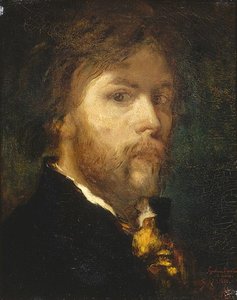
1826 - 1898 , Prancūzija

Explore the evocative world of Symbolist painting. Discover how masters like Gustave Moreau rejected realism to capture dreams, myths, and the subconscious through fine art history and expert analysis.

Explore the profound history and technical mastery of woodcut relief printing. From ancient origins to German Expressionism, discover how artists use the subtractive process to create iconic works. A definitive guide for art students, collectors, and historians.

Discover the technical mastery behind Most-Famous-Paintings.com's premium Giclée canvas prints. Our guide for elite collectors explores archival pigment inks, museum-grade substrates, and the science of high-fidelity reproduction to ensure lasting beauty and historical accuracy.


Sekite naujausias meno naujienas, išskirtinius pasiūlymus ir dekoravimo idėjas.
Pasakokite mums apie savo projektą, o mūsų meno ekspertai parengs jums 3 asmeniškus meno pasiūlymus.
Leiskite mums parinkti 3 variantus būtent jums – nemokamai!


 Peržiūrėti realybėje
 Pasidalinti
 Dalintis
 Išsamiau

 Atsisiųsti
 Panašūs eksponatai
 Rentgeno nuotrauka
 Automatinė diorama

 Skaityti daugiau







 Stiklo variantas prieinamas tik pasirinkus dydį iki 110 cm


