x

Muziejų lygio „giclée“ arba drobos spausdinimas: greita gamyba ir lankstios apdailos parinktys. ( Pirkti rankomis tapytą paveikslą Pirkti vaizdą)
Pasirinkite iš mūsų nustatytų dydžių, atitinkančių originalaus meno kūrinio proporcijas.

Galite nurodyti savo matmenis, kad vaizdas atitiktų konkretų rėmą ar erdvę. Jei pasirinktas dydis nesutaps su originalaus paveikslėlio proporcijomis, mes arba apkirpsime kūrinį, arba išplėsime vaizdą naudojant veideliu atspindėtą arba vientisą šoną. Skaitmeninis maketas bus išsiųstas jums patvirtinti prieš pradedant gamybą.
Atkreipkite dėmesį, kad ekrane matomas vaizdinys neatspindi tikrojo apkirpimo ar išplėtimo. Tik maketas tiksliai parodytų galutinę kompoziciją.
Nors galima rinktis ir individualius dydžius, rekomenduojame pasirinkti vieną iš išanksti nustatytų matmenų, kad būtų išlaikytos originalios proporcijos.
Pristatymas visame pasaulyje () per 2 weeks, o ne įprastas 4/5 savaičių laikotarpis. (20 rugpjūtis)


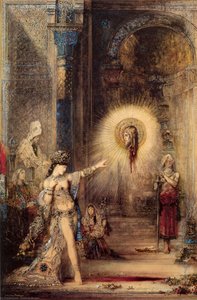
Hesiod and the Muse_
Reprodukcijos matmenys
Gustave Moreau’s “Hesiod and the Muse,” completed in 1891, stands as a cornerstone of Symbolist painting—a movement that sought to transcend mere representation and delve into the realm of dreams, emotions, and spiritual truths. More than just a depiction of Greek mythology, this monumental canvas embodies Moreau's profound artistic philosophy and offers a captivating glimpse into his meticulously crafted worldview.
At its core, “Hesiod and the Muse” portrays Hesiod—the venerable poet credited with compiling the Homeric Hymns and didactic poems—receiving inspiration from Calliope, the muse of poetry. Moreau skillfully arranges figures within a claustrophobic space, emphasizing the intimacy of this creative encounter. The muted palette—dominated by earthy browns and ochres—contrasts sharply with the luminous gold leaf adorning Calliope’s wings and robe, symbolizing divine grace and artistic illumination.
Created during a period of intellectual ferment in Paris—characterized by discussions on Nietzschean philosophy and Wagnerian aesthetics— “Hesiod and the Muse” reflects the Symbolist movement's preoccupation with mythology, religion, and psychology. Moreau’s work profoundly impacted subsequent artists like Matisse and Rouault, who embraced his expressive style and symbolic language.
Moreau sought not merely to depict a scene but to evoke an emotional response in the viewer—a feeling of profound contemplation and spiritual wonder. “Hesiod and the Muse” succeeds admirably in achieving this goal, inviting us to consider the transformative power of art and the enduring relevance of mythic narratives.

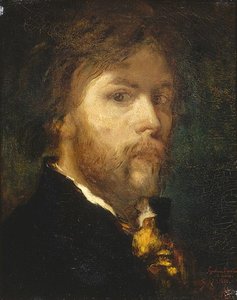
1826 - 1898 , Prancūzija

Explore the evocative world of Symbolist painting. Discover how masters like Gustave Moreau rejected realism to capture dreams, myths, and the subconscious through fine art history and expert analysis.

Explore the profound history and technical brilliance of oil on panel painting. From Renaissance masters to modern techniques, discover why this rigid support offers unparalleled precision and permanence for fine art lovers and collectors.

Explore the profound beauty of Greek mythology through art history. From Baroque masterpieces to Renaissance classics, discover how gods and heroes have inspired the world's greatest painters in this expert guide for collectors and history lovers.


Sekite naujausias meno naujienas, išskirtinius pasiūlymus ir dekoravimo idėjas.
Pasakokite mums apie savo projektą, o mūsų meno ekspertai parengs jums 3 asmeniškus meno pasiūlymus.
Leiskite mums parinkti 3 variantus būtent jums – nemokamai!


 Peržiūrėti realybėje
 Pasidalinti
 Dalintis
 Išsamiau

 Atsisiųsti
 Panašūs eksponatai
 Rentgeno nuotrauka
 Automatinė diorama
 Skaityti daugiau




































 Stiklo variantas prieinamas tik pasirinkus dydį iki 110 cm