


x

Rankiniu būdu tapytas aliejus ant droblio jūsų pageidaujamame dydį ir rėmuose – mūsų menininkų darbas pagal užsakymą. ( Pirkti spaudinį Pirkti vaizdą)





























Pasirinkite iš mūsų nustatytų dydžių, atitinkančių originalaus meno kūrinio proporcijas.

Galite įvesti savo matmenis, kad jie atitiktų konkretų rėmą ar erdvę. Jei pasirinktas dydis neatitinka originalaus paveikslėlio proporcijų, mes arba apkropsime meno kūrinį, arba papildysime tapybą rankomis dažytい elementais. Prieš pradėdami gamybą, jūsų patvirtinimui atsiųsime skaitmeninį maketą.
Atkreipkite dėmesį, kad ekrane rodomas vaizdas neatspindi tikrojo apkarpymo ar papildymo. Tik maketas tiksliai parodys galutinę kompoziciją.
Nors galima rinktis ir individualius dydžius, rekomenduojame pasirinkti matmenis iš nustatytos sąrašo, kad būtų išlaikytos originalios proporcijos.
Pristatymas visame pasaulyje () per 3–4 savaites, o ne įprastai – per 5 savaites. (21 rugpjūtis). Kokybė lieka nepakeičiama.


Le Bon Samaritain
Reprodukcijos matmenys
Gustave Moreau's Le Bon Samaritain (The Good Samaritan) is not merely a depiction of a biblical scene; it’s an immersion into the artist’s intensely personal and profoundly symbolic world. Painted during his most productive period, this work exemplifies Moreau’s unique contribution to the Symbolist movement – a rejection of objective representation in favor of exploring the depths of human emotion, mythic narratives, and spiritual yearning. The painting, rendered in stark black and white, immediately draws the viewer into its dramatic landscape, dominated by imposing mountains that suggest both physical challenge and the vastness of the unknown.
Moreau was profoundly influenced by Romanticism and Pre-Raphaelitism, but he pushed beyond mere imitation. He sought to evoke moods and ideas rather than create photographic copies of reality. This is evident in his meticulous attention to detail – the texture of the horse’s coat, the folds of the man's clothing, the ruggedness of the terrain – all contribute to a heightened sense of atmosphere and emotional intensity. Moreau’s technique involved layering thin glazes of oil paint, building up depth and luminosity that is characteristic of his style. The monochrome palette amplifies this effect, focusing attention on form and texture rather than color.
Moreau’s *Le Bon Samaritain* resonates with broader Symbolist themes – the exploration of the unconscious, the power of dreams, and the search for spiritual truth. The Good Samaritan himself can be interpreted as a representation of compassion, selflessness, and the potential for redemption. The landscape, with its towering peaks, suggests a quest—a journey towards enlightenment or salvation. The inclusion of the dogs adds another layer of interpretation, perhaps representing instinctual goodness or loyalty. Moreau’s work reflects a deep engagement with religious iconography, particularly Byzantine art, which he studied extensively and incorporated into his visual vocabulary.
Gustave Moreau's *Le Bon Samaritain* stands as a testament to his artistic vision and his profound understanding of human emotion. This meticulously crafted reproduction captures the essence of the original, offering an opportunity to experience the power and beauty of Symbolist painting firsthand. Whether adorning a grand salon or a smaller interior space, this artwork will undoubtedly spark conversation and inspire reflection.

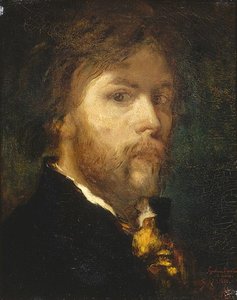
1826 - 1898 , Prancūzija

Explore the evocative world of Symbolist painting. Discover how masters like Gustave Moreau rejected realism to capture dreams, myths, and the subconscious through fine art history and expert analysis.

Explore the profound artistry of black and white photography. From the chemistry of gelatin silver to the chiaroscuro of the Old Masters, discover how monochrome captures the eternal essence of light, form, and emotion for the discerning art collector.


Sekite naujausias meno naujienas, išskirtinius pasiūlymus ir dekoravimo idėjas.
Pasakokite mums apie savo projektą, o mūsų meno ekspertai parengs jums 3 asmeniškus meno pasiūlymus.
Leiskite mums parinkti 3 variantus būtent jums – nemokamai!


 Peržiūrėti realybėje
 Pasidalinti
 Dalintis
 Išsamiau

 Atsisiųsti
 Panašūs eksponatai
 Rentgeno nuotrauka
 Automatinė diorama

 Skaityti daugiau







 Stiklo variantas prieinamas tik pasirinkus dydį iki 110 cm


