x

Rankiniu būdu tapytas aliejus ant droblio jūsų pageidaujamame dydį ir rėmuose – mūsų menininkų darbas pagal užsakymą. ( Perejti prie spausdinimo Perjungti į vaizdą)





























Pasirinkite iš mūsų nustatytų dydžių, atitinkančių originalaus meno kūrinio proporcijas.

Galite įvesti savo matmenis, kad jie atitiktų konkretų rėmą ar erdvę. Jei pasirinktas dydis neatitinka originalaus paveikslėlio proporcijų, mes arba apkropsime meno kūrinį, arba papildysime tapybą rankomis dažytい elementais. Prieš pradėdami gamybą, jūsų patvirtinimui atsiųsime skaitmeninį maketą.
Atkreipkite dėmesį, kad ekrane rodomas vaizdas neatspindi tikrojo apkarpymo ar papildymo. Tik maketas tiksliai parodys galutinę kompoziciją.
Nors galima rinktis ir individualius dydžius, rekomenduojame pasirinkti matmenis iš nustatytos sąrašo, kad būtų išlaikytos originalios proporcijos.
Pristatymas visame pasaulyje () per 3–4 savaites, o ne įprastai – per 5 savaites. (9 rugpjūtis). Kokybė lieka nepakeičiama.


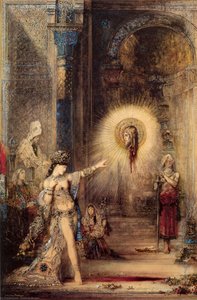
Les Sources
Reprodukcijos matmenys
Gustave Moreau's *Les Sources* is not merely a depiction of a pastoral scene; it’s an immersion into a realm of potent symbolism and deeply felt emotion, characteristic of the Symbolist movement that flourished in 19th-century Paris. Painted during his most intensely creative period, between 1883 and 1885, this work exemplifies Moreau's fascination with mythology, religion, and the subconscious—themes he relentlessly pursued throughout his career. The painting captures a gathering, perhaps a picnic or social event, rendered not with the objective clarity of Realism, but through a deliberately hazy, dreamlike atmosphere that invites contemplation and personal interpretation.
Moreau was profoundly influenced by the tenets of Symbolism, a movement that rejected the positivist philosophies of the 19th century in favor of exploring subjective experience and spiritual truths. *Les Sources* is replete with symbolic elements—the water source itself representing renewal, fertility, and the subconscious; the figures, often adorned in elaborate costumes, evoke classical mythology and religious iconography. The composition deliberately avoids a straightforward narrative, instead prioritizing emotional resonance over literal storytelling. Moreau was less concerned with depicting what he *saw*, and more interested in conveying what he *felt*—a profound sense of melancholy, mystery, and perhaps even a yearning for something beyond the tangible world.
Historical Context: Moreau’s work emerged during a period of significant social and intellectual upheaval. The rise of industrialization, coupled with advancements in psychology (particularly Freud's nascent theories), fueled a growing interest in the irrational and the unconscious. Symbolist artists sought to tap into these hidden realms, creating works that challenged conventional notions of reality and beauty. Moreau’s association with the *Société des Artistes Indépendants*, a group dedicated to promoting avant-garde art, further solidified his position as a key figure in this movement.Analyzing the specific details within *Les Sources* reveals a complex web of symbolism. The figures’ gestures and expressions are ambiguous, inviting viewers to project their own emotions and interpretations onto the scene. The horses, often associated with power and freedom, could represent untamed desires or spiritual journeys. The dog, a traditional symbol of loyalty and companionship, adds another layer of complexity to the composition. Moreau's use of color is equally significant—rich blues and greens evoke a sense of tranquility and mystery, while touches of gold suggest an otherworldly quality.
*Les Sources* remains a powerfully evocative work of art, demonstrating Moreau’s mastery of technique and his profound understanding of human psychology. Its dreamlike quality and ambiguous symbolism continue to captivate viewers today, prompting reflection on themes of beauty, mortality, and the search for meaning. A hand-painted reproduction offers an unparalleled opportunity to experience the full impact of this extraordinary masterpiece in your own space.

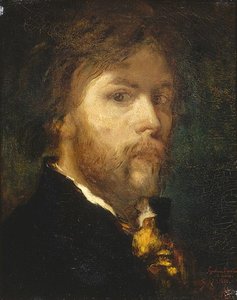
1826 - 1898 , Prancūzija

Explore 10 defining Academic Realism masterpieces by Bouguereau, Gérôme & Cabanel. Discover the stories behind these iconic paintings and bring timeless art into your home with museum-quality reproductions from Most-Famous-Paintings.com. Explore the full collection online!
Explore the captivating world of Gustave Moreau, the leading Symbolist painter. Discover his iconic masterpieces, influences, and lasting legacy. Expert analysis for collectors & art enthusiasts.

Atraskite simbolizmo meną! Top 10 šedevrų, apibrėžusių judėjimo esmę. Pasinerkite į dailininkų istorijas ir mistines spalvas. Aukštosios kultūros dekoravimas – Most-Famous-Paintings.com.
Atraskite 25 įspūdingiausius Gustavo Klimto kūrinius! Išsami analizė, istorijos ir simbolizmas. Įkvėpkite interjerui aukso spalvos paveikslus iš Vienos secesijos laikų. Kokybiškos reprodukcijos – Most-Famous-Paintings.com

Delve into the enchanting world of Symbolism with 10 iconic paintings by Klimt, Munch & Moreau. Explore hidden meanings, dreamlike imagery & rich color palettes. Find museum-quality art reproductions at Most-Famous-Paintings.com and transform your home gallery. Discover all masterpieces on Most-Famous-Paintings.com


Sekite naujausias meno naujienas, išskirtinius pasiūlymus ir dekoravimo idėjas.
Pasakokite mums apie savo projektą, o mūsų meno ekspertai parengs jums 3 asmeniškus meno pasiūlymus.
Leiskite mums parinkti 3 variantus būtent jums – nemokamai!


 Peržiūrėti realybėje
 Pasidalinti
 Dalintis
 Išsamiau

 Atsisiųsti
 Panašūs eksponatai
 Rentgeno nuotrauka
 Automatinė diorama

 Skaityti daugiau







 Stiklo variantas prieinamas tik pasirinkus dydį iki 110 cm