x

Rankiniu būdu tapytas aliejus ant droblio jūsų pageidaujamame dydį ir rėmuose – mūsų menininkų darbas pagal užsakymą. ( Pirkti spaudinį Pirkti vaizdą)





























Pasirinkite iš mūsų nustatytų dydžių, atitinkančių originalaus meno kūrinio proporcijas.

Galite įvesti savo matmenis, kad jie atitiktų konkretų rėmą ar erdvę. Jei pasirinktas dydis neatitinka originalaus paveikslėlio proporcijų, mes arba apkropsime meno kūrinį, arba papildysime tapybą rankomis dažytい elementais. Prieš pradėdami gamybą, jūsų patvirtinimui atsiųsime skaitmeninį maketą.
Atkreipkite dėmesį, kad ekrane rodomas vaizdas neatspindi tikrojo apkarpymo ar papildymo. Tik maketas tiksliai parodys galutinę kompoziciją.
Nors galima rinktis ir individualius dydžius, rekomenduojame pasirinkti matmenis iš nustatytos sąrašo, kad būtų išlaikytos originalios proporcijos.
Pristatymas visame pasaulyje () per 3–4 savaites, o ne įprastai – per 5 savaites. (18 rugpjūtis). Kokybė lieka nepakeičiama.


Pieta
Reprodukcijos matmenys
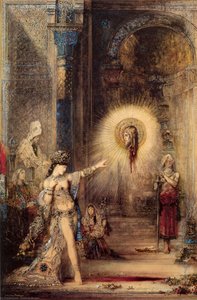
In an era where the art world was increasingly captivated by the stark, unvarnished truths of Realism, Gustave Moreau emerged as a visionary who dared to look inward. His Pieta is not merely a depiction of a biblical moment; it is a profound departure from the observable world, serving instead as a portal into the subconscious depths of myth and spirituality. Rather than striving for the photographic accuracy favored by his contemporaries, Moreau sought to capture the essence of what lies beyond perception. In this monumental work, the weight of the crucifixion is balanced by an otherworldly grace, transforming a scene of profound sorrow into a meditative exploration of divine communion. For the collector, this piece offers more than visual beauty; it provides a window into the very soul of the Symbolist movement.
The composition transcends the traditional boundaries of religious art, inviting the viewer to experience a sense of transcendence. While the subject matter—the Virgin Mary cradling the lifeless body of her son, Jesus—is timeless, Moreau’s approach is uniquely enigmatic. He avoids the visceral trauma of death in favor of a sorrowful dignity, where every gesture and gaze is imbued with a deeper, symbolic meaning that speaks to the eternal bond between the human and the divine.
Moreau’s genius lies in his ability to weave historical reverence with personal innovation. In constructing this Pieta, he drew significant inspiration from the luminous mosaics of Byzantine iconography. This deliberate stylistic choice imbues the canvas with a sense of sacred permanence, as if the scene were etched into the very fabric of history. The composition is meticulously layered, creating an atmosphere that feels both ancient and intimately personal. Mary’s upward gaze does not merely reflect grief; it suggests an acceptance of a higher spiritual truth, a gesture that connects the earthly tragedy to a celestial promise.
The symbolism within the work is as rich as its textures. The presence of angelic figures in the background serves to bridge the gap between the mortal and the eternal, framing the central tragedy within a larger cosmic narrative. For those looking to curate a space with depth and intellectual resonance, this painting offers an unparalleled opportunity to introduce themes of faith, memory, and myth into a modern interior. The warmth of the palette and the richness of the imagery create a focal point that is both commanding and contemplative.
Technically, Moreau’s work is a masterclass in the creation of illusion. He employed a method reminiscent of cloisonné enamel, applying layers of color and texture to divide the canvas into cells of vibrant, luminous light. This painstaking process results in a surface that seems to glow from within, capturing the eye with its intricate detail and jewel-like brilliance. The interplay of light and shadow does not just define form; it creates an atmosphere of mysticism and enchantment.
For the interior designer or art enthusiast, a high-quality reproduction of this masterpiece brings a sense of opulent history into the contemporary home. The rich, warm tones and the profound emotional weight of the piece make it an ideal centerpiece for a room designed for reflection and elegance. To possess such a work is to hold a fragment of the 19th century’s most profound spiritual rebellion—a piece that continues to challenge our perceptions of reality and inspire awe through its sheer, haunting beauty.

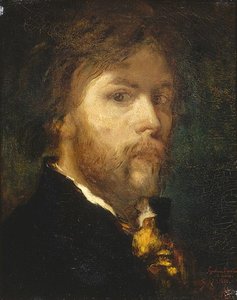
1826 - 1898 , Prancūzija

Explore the evocative world of Symbolist painting. Discover how masters like Gustave Moreau rejected realism to capture dreams, myths, and the subconscious through fine art history and expert analysis.


Sekite naujausias meno naujienas, išskirtinius pasiūlymus ir dekoravimo idėjas.
Pasakokite mums apie savo projektą, o mūsų meno ekspertai parengs jums 3 asmeniškus meno pasiūlymus.
Leiskite mums parinkti 3 variantus būtent jums – nemokamai!


 Peržiūrėti realybėje
 Pasidalinti
 Dalintis
 Išsamiau

 Atsisiųsti
 Panašūs eksponatai
 Rentgeno nuotrauka
 Automatinė diorama

 Skaityti daugiau







 Stiklo variantas prieinamas tik pasirinkus dydį iki 110 cm