x

 Acrylic On CanvasWallArtFauvist Expression
 194819th Century
 101.0 x 241.0 cm
Muziejų lygio „giclée“ arba drobos spausdinimas: greita gamyba ir lankstios apdailos parinktys. ( Pirkti rankomis tapytą paveikslą Pirkti vaizdą)





























Pasirinkite iš mūsų nustatytų dydžių, atitinkančių originalaus meno kūrinio proporcijas.

Galite nurodyti savo matmenis, kad vaizdas atitiktų konkretų rėmą ar erdvę. Jei pasirinktas dydis nesutaps su originalaus paveikslėlio proporcijomis, mes arba apkirpsime kūrinį, arba išplėsime vaizdą naudojant veideliu atspindėtą arba vientisą šoną. Skaitmeninis maketas bus išsiųstas jums patvirtinti prieš pradedant gamybą.
Atkreipkite dėmesį, kad ekrane matomas vaizdinys neatspindi tikrojo apkirpimo ar išplėtimo. Tik maketas tiksliai parodytų galutinę kompoziciją.
Nors galima rinktis ir individualius dydžius, rekomenduojame pasirinkti vieną iš išanksti nustatytų matmenų, kad būtų išlaikytos originalios proporcijos.
Pristatymas visame pasaulyje () per 2 weeks, o ne įprastas 4/5 savaičių laikotarpis. (18 rugpjūtis)


Bees
Reprodukcijos matmenys
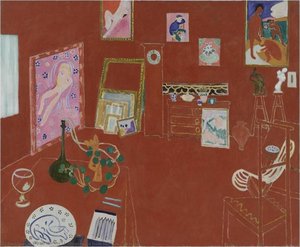
Henri Matisse’s “Bees,” painted in 1948, is more than just a depiction of insects; it’s an immersive experience of color and movement, a testament to the artist’s lifelong pursuit of capturing emotion through form. This vibrant work, originally conceived for the Chapelle du Rosaire de Vence, embodies the heart of Fauvist principles – bold, unapologetic hues used not to represent reality but to evoke feeling. The painting's genesis lies in the profound connection between Matisse and Sister Jacques-Marie, a former nurse who inspired his groundbreaking chapel designs with her sketches, ultimately leading to this captivating cut-out masterpiece.
“Bees” exemplifies Matisse’s mastery of Fauvism. The artist employs a dazzling palette – yellows, reds, blues, and beige pink – with an unrestrained confidence that would become synonymous with the movement. These colors aren't blended or muted; they are applied in flat planes, creating a luminous intensity that vibrates across the canvas. The arrangement of the bees themselves is crucial to this effect: they’re not meticulously rendered individual insects but rather abstracted shapes, suggesting flight and dynamism through their overlapping arcs. The composition cleverly utilizes squares – some resembling nuns with their habits – further emphasizing the geometric nature of Matisse's exploration.
Beyond its purely aesthetic qualities, “Bees” is rich in symbolism. The bees themselves are a potent image, representing industry, community, and perhaps even spirituality – mirroring the chapel’s intended purpose. The artist's connection to his weaving ancestors subtly informs the work; the cut-out technique echoes traditional textile production, adding another layer of meaning. Matisse’s deliberate use of color also reflects his desire to create a joyful, uplifting space, drawing inspiration from the natural world and translating it into a powerfully emotive visual language.
The original “Bees” remains housed within the Chapelle du Rosaire de Vence, a testament to its enduring significance. Most-Famous-Paintings offers meticulously crafted hand-painted reproductions of this iconic work, allowing you to bring Matisse’s vibrant vision into your own space. Each reproduction captures the essence of the original – the bold colors, the dynamic composition, and the emotional power – ensuring that this masterpiece continues to inspire for generations to come.


1869 - 1954 , Prancūzija

Explore the profound history and technical mastery of woodcut relief printing. From ancient origins to German Expressionism, discover how artists use the subtractive process to create iconic works. A definitive guide for art students, collectors, and historians.

Discover the technical mastery behind Most-Famous-Paintings.com's premium Giclée canvas prints. Our guide for elite collectors explores archival pigment inks, museum-grade substrates, and the science of high-fidelity reproduction to ensure lasting beauty and historical accuracy.


Sekite naujausias meno naujienas, išskirtinius pasiūlymus ir dekoravimo idėjas.
Pasakokite mums apie savo projektą, o mūsų meno ekspertai parengs jums 3 asmeniškus meno pasiūlymus.
Leiskite mums parinkti 3 variantus būtent jums – nemokamai!


 Peržiūrėti realybėje
 Pasidalinti
 Dalintis
 Išsamiau

 Atsisiųsti
 Panašūs eksponatai
 Rentgeno nuotrauka
 Automatinė diorama
 Skaityti daugiau







 Stiklo variantas prieinamas tik pasirinkus dydį iki 110 cm