x

Rankiniu būdu tapytas aliejus ant droblio jūsų pageidaujamame dydį ir rėmuose – mūsų menininkų darbas pagal užsakymą. ( Pirkti spaudinį Pirkti vaizdą)





























Pasirinkite iš mūsų nustatytų dydžių, atitinkančių originalaus meno kūrinio proporcijas.

Galite įvesti savo matmenis, kad jie atitiktų konkretų rėmą ar erdvę. Jei pasirinktas dydis neatitinka originalaus paveikslėlio proporcijų, mes arba apkropsime meno kūrinį, arba papildysime tapybą rankomis dažytい elementais. Prieš pradėdami gamybą, jūsų patvirtinimui atsiųsime skaitmeninį maketą.
Atkreipkite dėmesį, kad ekrane rodomas vaizdas neatspindi tikrojo apkarpymo ar papildymo. Tik maketas tiksliai parodys galutinę kompoziciją.
Nors galima rinktis ir individualius dydžius, rekomenduojame pasirinkti matmenis iš nustatytos sąrašo, kad būtų išlaikytos originalios proporcijos.
Pristatymas visame pasaulyje () per 3–4 savaites, o ne įprastai – per 5 savaites. (18 rugpjūtis). Kokybė lieka nepakeičiama.


Odalisque
Reprodukcijos matmenys
Henri Matisse’s “Odalisque” stands as a cornerstone of Fauvist art, encapsulating the movement's revolutionary embrace of color and its rejection of academic realism. Painted in 1928, this captivating artwork transcends mere depiction; it aspires to evoke emotion and capture a fleeting moment of serene contemplation—a testament to Matisse’s unparalleled ability to translate feeling into visual form.
Matisse's artistic journey began unexpectedly after an illness sidelined him from his legal pursuits. Discovering solace in painting during convalescence, he swiftly absorbed the influence of Moroccan culture—a formative experience that profoundly shaped his aesthetic sensibilities. The vibrant textiles and decorative motifs prevalent in North African interiors served as a catalyst for Matisse’s exploration of color palettes and compositional arrangements, mirroring the spirit of “Odalisque.”
The painting exemplifies Fauvist principles with its bold application of pigment—a deliberate departure from Impressionism's subtle gradations. Matisse employs loose, expressive brushstrokes to imbue the canvas with dynamism and vitality, prioritizing color over precise representation. Notice how swathes of crimson, ochre, and turquoise dominate the background, creating a rich tapestry that contrasts sharply with the pale skin tones of the reclining figure. This technique isn’t merely stylistic; it's intended to convey an inner state—a sense of stillness punctuated by bursts of vibrant energy.
"Odalisque" operates on multiple levels of symbolic interpretation. The odalisque herself represents idealized beauty and sensuality, embodying the exotic allure of Oriental culture. Her posture—relaxed yet attentive—suggests a deliberate effort to achieve inner harmony amidst external stimuli. Furthermore, the surrounding furniture – a couch and chairs – contribute to the overall atmosphere of repose, reinforcing the painting’s contemplative mood. Matisse skillfully utilizes these elements to communicate profound ideas about perception and emotion.
For those seeking to experience the brilliance of Matisse's vision firsthand, Most-Famous-Paintings offers meticulously crafted oil painting reproductions that faithfully reproduce the original artwork’s hues and textures. These reproductions are produced by skilled artisans who honor Matisse’s legacy—bringing a masterpiece into your home or studio.


1869 - 1954 , Prancūzija
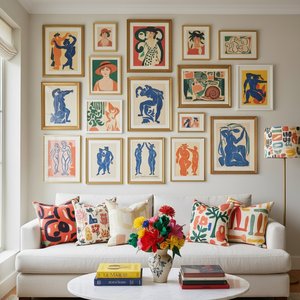
Atraskite 25 įspūdingiausius Henri Matisse šedevrus! Sužinokite apie Fauvizmą, spalvų magiją ir prancūzų dailininko kūrybos istorijas. Meno reprodukcijos jūsų interjerui – Most-Famous-Paintings.com

Explore 10 Fauvist masterpieces by Matisse, Derain & Vlaminck that ignited Modern Art! Discover bold colors, expressionist landscapes & the history of this revolutionary movement. Find museum-quality prints at Most-Famous-Paintings.com.
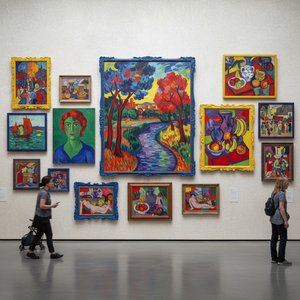
Atraskite fovizmo deimantus! 10 legendinių kūrinių, kuriuos pristato Henri Matisse ir kiti. Pažinkite spalvų revoliuciją bei įkvėpkite interjero dizainui. Aukštos kokybės meninės reprodukcijos – Most-Famous-Paintings.com

Experience art's raw power! Explore 10 iconic paintings – Van Gogh, Kahlo & more – that define 'bold'. Discover the stories behind these expressive masterpieces and find museum-quality reproductions for your home at Most-Famous-Paintings.com.

Explore the revolutionary art of Henri Matisse! Discover his bold use of color, Fauvist origins, and lasting impact on modern painting. A comprehensive guide for art enthusiasts.


Sekite naujausias meno naujienas, išskirtinius pasiūlymus ir dekoravimo idėjas.
Pasakokite mums apie savo projektą, o mūsų meno ekspertai parengs jums 3 asmeniškus meno pasiūlymus.
Leiskite mums parinkti 3 variantus būtent jums – nemokamai!


 Peržiūrėti realybėje
 Pasidalinti
 Dalintis
 Išsamiau

 Atsisiųsti
 Panašūs eksponatai
 Rentgeno nuotrauka
 Automatinė diorama
 Skaityti daugiau







 Stiklo variantas prieinamas tik pasirinkus dydį iki 110 cm