x

 Acrylic On CanvasWallArtFauvist Expressionism
 1902
1902 64.0 x 46.0 cm
Muziejų lygio „giclée“ arba drobos spausdinimas: greita gamyba ir lankstios apdailos parinktys. ( Pirkti rankomis tapytą paveikslą Pirkti vaizdą)





























Pasirinkite iš mūsų nustatytų dydžių, atitinkančių originalaus meno kūrinio proporcijas.

Galite nurodyti savo matmenis, kad vaizdas atitiktų konkretų rėmą ar erdvę. Jei pasirinktas dydis nesutaps su originalaus paveikslėlio proporcijomis, mes arba apkirpsime kūrinį, arba išplėsime vaizdą naudojant veideliu atspindėtą arba vientisą šoną. Skaitmeninis maketas bus išsiųstas jums patvirtinti prieš pradedant gamybą.
Atkreipkite dėmesį, kad ekrane matomas vaizdinys neatspindi tikrojo apkirpimo ar išplėtimo. Tik maketas tiksliai parodytų galutinę kompoziciją.
Nors galima rinktis ir individualius dydžius, rekomenduojame pasirinkti vieną iš išanksti nustatytų matmenų, kad būtų išlaikytos originalios proporcijos.
Pristatymas visame pasaulyje () per 2 weeks, o ne įprastas 4/5 savaičių laikotarpis. (17 rugpjūtis)


Still Life
Reprodukcijos matmenys
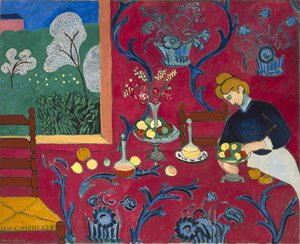
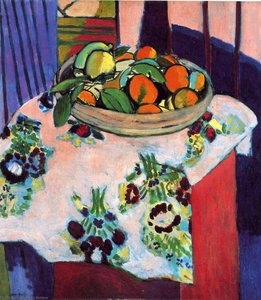
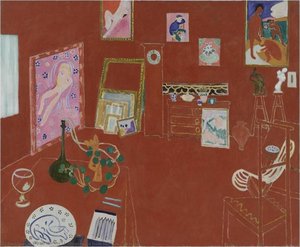
Henri Matisse’s “Still Life,” painted in 1902, stands as a cornerstone of the Fauvist movement—a radical departure from Impressionism that championed pure color and expressive brushstrokes above meticulous representation. This deceptively simple composition captures a moment of domestic tranquility: a table laden with earthenware bowls, cups, and vases overflowing with blossoms, alongside scattered apples offering textural contrast.
Matisse’s technique is instantly recognizable. Abandoning the subtle gradations of light and shadow favored by his predecessors, he applied pigment directly onto the canvas in bold, unmixed hues—primarily reds, yellows, and blues—creating a vibrant tapestry that assaults the senses with its intensity. This deliberate disregard for naturalistic color was intended to convey emotion rather than merely depict what the eye sees. As Matisse himself famously stated, “I want to paint what I see, not what I think.”
The painting’s genesis lies in a period of significant artistic experimentation. Following his convalescence from appendicitis, Matisse rediscovered painting as a passion and enrolled at the École Nationale des Beaux-Arts. Influenced by Cézanne's geometric simplification and Gauguin’s expressive use of color, he began to forge his own distinctive style—one that would soon propel him to international acclaim.
Beyond its visual dynamism, “Still Life” carries subtle symbolic weight. The flowers represent beauty and fragility, mirroring the fleeting nature of life itself. The apples symbolize ripeness and abundance, yet their scattered placement introduces an element of disorder—perhaps hinting at the complexities inherent in everyday existence. Matisse’s masterful control over color and form elevates this seemingly commonplace subject into a profound meditation on artistic expression.
"Still Life" isn't merely a visual spectacle; it evokes a feeling of warmth, serenity, and joy. The artist’s confident brushstrokes convey an unwavering belief in the transformative power of color—a conviction that continues to inspire artists and collectors alike. Reproductions of this iconic artwork offer a captivating glimpse into Matisse’s artistic vision and its enduring legacy.


1869 - 1954 , Prancūzija

Explore the profound evolution of Post-Impressionist landscapes. From Van Gogh's emotional brushwork to Cézanne's structural mastery, discover how these visionaries redefined art history through color and form in this expert guide for fine art enthusiasts.

Explore the transformative era of Post-Impressionism. Discover how masters like Van Gogh moved beyond light to embrace emotion, structure, and vibrant color, redefining modern art history through expressive brushwork and symbolic depth.


Sekite naujausias meno naujienas, išskirtinius pasiūlymus ir dekoravimo idėjas.
Pasakokite mums apie savo projektą, o mūsų meno ekspertai parengs jums 3 asmeniškus meno pasiūlymus.
Leiskite mums parinkti 3 variantus būtent jums – nemokamai!


 Peržiūrėti realybėje
 Pasidalinti
 Dalintis
 Išsamiau

 Atsisiųsti
 Panašūs eksponatai
 Rentgeno nuotrauka
 Automatinė diorama
 Skaityti daugiau







 Stiklo variantas prieinamas tik pasirinkus dydį iki 110 cm