x


 Pirkti atspaudą Pirkti skaitmeninį paveikslą
 Pasidalinti
 Išsamiau
 Pridėti į mėgstamiausius
 Atsisiųsti
 Panašūs eksponatai
 Rentgeno nuotrauka
 Automatinė diorama
Rankiniu būdu tapytas aliejus ant droblio jūsų pageidaujamame dydį ir rėmuose – mūsų menininkų darbas pagal užsakymą.
Pasirinkite iš mūsų nustatytų dydžių, atitinkančių originalaus meno kūrinio proporcijas.

Galite įvesti savo matmenis, kad jie atitiktų konkretų rėmą ar erdvę. Jei pasirinktas dydis neatitinka originalaus paveikslėlio proporcijų, mes arba apkropsime meno kūrinį, arba papildysime tapybą rankomis dažytい elementais. Prieš pradėdami gamybą, jūsų patvirtinimui atsiųsime skaitmeninį maketą.
Atkreipkite dėmesį, kad ekrane rodomas vaizdas neatspindi tikrojo apkarpymo ar papildymo. Tik maketas tiksliai parodys galutinę kompoziciją.
Nors galima rinktis ir individualius dydžius, rekomenduojame pasirinkti matmenis iš nustatytos sąrašo, kad būtų išlaikytos originalios proporcijos.
Pristatymas visame pasaulyje () per 3–4 savaites, o ne įprastai – per 5 savaites. (21 liepa). Kokybė lieka nepakeičiama.


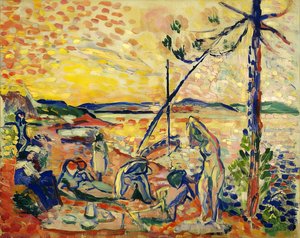
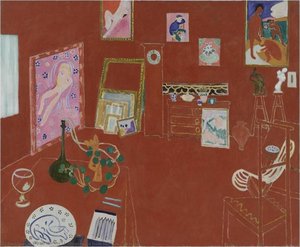
Studio interior
Reprodukcijos matmenys
Henri Matisse’s “Studio Interior,” painted circa 1903–4, stands as a cornerstone of Fauvist art—a movement that irrevocably altered the course of painting in the early 20th century. More than just a depiction of a workspace, it's an intensely expressive exploration of color and form, capturing not merely what Matisse saw but how he felt about his creative process.
The historical context surrounding “Studio Interior” is crucial to understanding its significance. Emerging in France around 1905, Fauvism challenged artistic conventions established by academic traditions. Artists like Matisse sought inspiration from primitive art forms—particularly African masks—drawing upon their expressive use of color and simplified shapes. This stylistic rebellion signaled a rejection of illusionistic representation and an embrace of subjective experience.
Symbolically, the painting speaks volumes about Matisse’s artistic philosophy. The vibrant colors – predominantly shades of pink, orange, and yellow – aren't merely decorative; they represent Matisse’s belief in color as a vehicle for conveying emotion. The arrangement of objects—the cabinet, vases, bottles—creates a harmonious yet dynamic composition that reflects the artist’s preoccupation with creating beauty and capturing the essence of his surroundings. Furthermore, the presence of two figures suggests contemplation and artistic dialogue – an embodiment of Matisse's own creative spirit.
Ultimately, “Studio Interior” transcends its subject matter to become a powerful statement about art itself. Its emotional impact is undeniable—a celebration of color, texture, and form that continues to inspire artists and collectors alike. Reproductions offer a remarkable opportunity to experience the brilliance of Matisse’s vision and incorporate this iconic artwork into interior design schemes, bringing a touch of Fauvist vibrancy and artistic contemplation into any space.


1869 - 1954 , Prancūzija

Elevate your interior design with our expert guide to harmonizing art styles & architecture. Discover timeless pieces, color palettes, & custom artwork solutions for balanced, luxury spaces. Expert advice included!

Discover how to perfectly match art reproductions with your interior design style! Expert guidance, museum-quality prints & custom portraits at Most-Famous-Paintings. Elevate your home today.
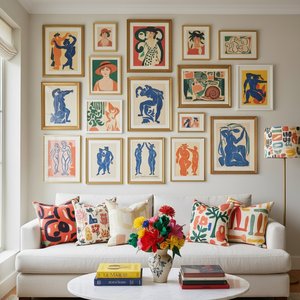
Atraskite 25 įspūdingiausius Henri Matisse šedevrus! Sužinokite apie Fauvizmą, spalvų magiją ir prancūzų dailininko kūrybos istorijas. Meno reprodukcijos jūsų interjerui – Most-Famous-Paintings.com
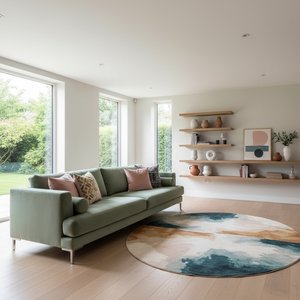
Atraskite spalvų psichologijos paslaptis interjero dizaine! Praktinės rekomendacijos ir patarimai, kaip sukurti harmoningą bei funkcionalią erdvę. Konsultacijos ir individualūs sprendimai.
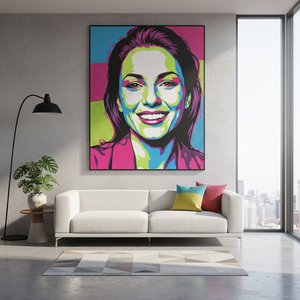
Paverskite savo nuotraukas į unikalius pop art šedevrus su Most-Famous-Paintings! Rankų darbo paveikslai, aukšta kokybė, individualus dizainas. Interjero akcentas, kuris atspindi jūsų istoriją ir stilių. Užsisakykite dabar!


Sekite naujausias meno naujienas, išskirtinius pasiūlymus ir dekoravimo idėjas.
Pasakokite mums apie savo projektą, o mūsų meno ekspertai parengs jums 3 asmeniškus meno pasiūlymus.
Leiskite mums parinkti 3 variantus būtent jums – nemokamai!


 Dalintis


 Skaityti daugiau




































 Stiklo variantas prieinamas tik pasirinkus dydį iki 110 cm