x

 Aliejus ant drobėsSieninis menasFauvism
 1917Modernizmas
 38.0 x 55.0 cm
Rankiniu būdu tapytas aliejus ant droblio jūsų pageidaujamame dydį ir rėmuose – mūsų menininkų darbas pagal užsakymą. ( Pirkti spaudinį Pirkti vaizdą)





























Pasirinkite iš mūsų nustatytų dydžių, atitinkančių originalaus meno kūrinio proporcijas.

Galite įvesti savo matmenis, kad jie atitiktų konkretų rėmą ar erdvę. Jei pasirinktas dydis neatitinka originalaus paveikslėlio proporcijų, mes arba apkropsime meno kūrinį, arba papildysime tapybą rankomis dažytい elementais. Prieš pradėdami gamybą, jūsų patvirtinimui atsiųsime skaitmeninį maketą.
Atkreipkite dėmesį, kad ekrane rodomas vaizdas neatspindi tikrojo apkarpymo ar papildymo. Tik maketas tiksliai parodys galutinę kompoziciją.
Nors galima rinktis ir individualius dydžius, rekomenduojame pasirinkti matmenis iš nustatytos sąrašo, kad būtų išlaikytos originalios proporcijos.
Pristatymas visame pasaulyje () per 3–4 savaites, o ne įprastai – per 5 savaites. (18 rugpjūtis). Kokybė lieka nepakeičiama.


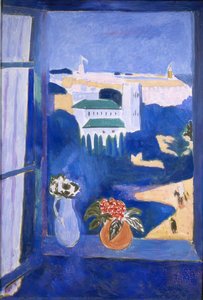
The Windshield
Reprodukcijos matmenys
Henri Matisse’s "The Windshield," created in 1917, is more than just a depiction of a car; it's a vibrant snapshot of early 20th-century modernity and a testament to the artist's innovative approach to perspective. Measuring 38 x 55 cm, this painting encapsulates the spirit of Fauvism while simultaneously reflecting the changing landscape of urban life and technological advancement.
The composition of "The Windshield" is strikingly unique. Instead of presenting a traditional exterior view of a car, Matisse positions the viewer inside the vehicle, looking out through the windshield. This unusual perspective immediately draws the audience into the scene, creating an immersive experience. The road stretches forward, flanked by trees that suggest movement and depth. A steering wheel is visible on the right side, and a figure can be discerned in the driver's seat, subtly hinting at the human element within this mechanical setting. The painting isn’t about precise representation; it’s about conveying the feeling of being in motion, experiencing the world from a new vantage point.
As a quintessential example of Fauvism, "The Windshield" showcases Matisse's signature use of bold colors and energetic brushstrokes. The palette isn’t naturalistic; instead, it employs vibrant hues—shades of white, grey, brown, and pink – to create an emotional impact rather than a photographic likeness. Brushstrokes are visible and expressive, contributing to the painting's sense of spontaneity and dynamism. This departure from traditional representational art forms was revolutionary at the time, prioritizing emotional expression over strict adherence to reality. The flattened perspective and simplified shapes further emphasize this stylistic choice.
The painting’s creation in 1917 places it within a period of significant technological and social change. The automobile was rapidly transforming urban life, symbolizing progress, freedom, and the burgeoning modern era. Matisse's depiction of a car in motion captures this sense of forward momentum and reflects the excitement surrounding these new advancements. Beyond its literal subject matter, "The Windshield" can be interpreted as a symbol of human connection to technology and the changing relationship between individuals and their environment. The enclosed space of the car also suggests a degree of privacy and introspection within the bustling modern world.
Henri Matisse is widely recognized, alongside Pablo Picasso, as one of the most influential artists of the 20th century. His pioneering work in Fauvism paved the way for numerous avant-garde movements and continues to inspire artists today. "The Windshield" stands as a testament to his innovative spirit and artistic vision—a captivating piece that embodies the essence of Fauvist art while offering a unique perspective on modernity. For those interested in exploring more of Matisse's works, consider:
For a deeper understanding of the Fauvist movement and its impact on modern art, visit The Museum of the Annunciation (France) - A Haven for Art Lovers on Most-Famous-Paintings.


1869 - 1954 , Prancūzija

Explore the profound history of landscape masterpieces. From the Barbizon School to Monet's Impressionism, discover how timeless natural scenes bring serenity and prestige to your collection through museum-quality, hand-painted oil reproductions.


Sekite naujausias meno naujienas, išskirtinius pasiūlymus ir dekoravimo idėjas.
Pasakokite mums apie savo projektą, o mūsų meno ekspertai parengs jums 3 asmeniškus meno pasiūlymus.
Leiskite mums parinkti 3 variantus būtent jums – nemokamai!


 Peržiūrėti realybėje
 Pasidalinti
 Dalintis
 Išsamiau

 Atsisiųsti
 Panašūs eksponatai
 Rentgeno nuotrauka
 Automatinė diorama
 Skaityti daugiau







 Stiklo variantas prieinamas tik pasirinkus dydį iki 110 cm