x

Muziejų lygio „giclée“ arba drobos spausdinimas: greita gamyba ir lankstios apdailos parinktys. ( Pirkti rankomis tapytą paveikslą Pirkti vaizdą)





























Pasirinkite iš mūsų nustatytų dydžių, atitinkančių originalaus meno kūrinio proporcijas.

Galite nurodyti savo matmenis, kad vaizdas atitiktų konkretų rėmą ar erdvę. Jei pasirinktas dydis nesutaps su originalaus paveikslėlio proporcijomis, mes arba apkirpsime kūrinį, arba išplėsime vaizdą naudojant veideliu atspindėtą arba vientisą šoną. Skaitmeninis maketas bus išsiųstas jums patvirtinti prieš pradedant gamybą.
Atkreipkite dėmesį, kad ekrane matomas vaizdinys neatspindi tikrojo apkirpimo ar išplėtimo. Tik maketas tiksliai parodytų galutinę kompoziciją.
Nors galima rinktis ir individualius dydžius, rekomenduojame pasirinkti vieną iš išanksti nustatytų matmenų, kad būtų išlaikytos originalios proporcijos.
Pristatymas visame pasaulyje () per 2 weeks, o ne įprastas 4/5 savaičių laikotarpis. (19 rugpjūtis)


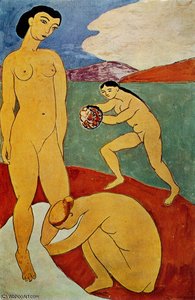
Three Sisters (Triptych - Right part)
Reprodukcijos matmenys
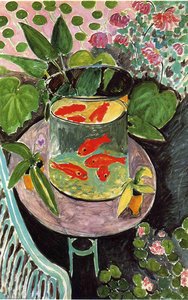
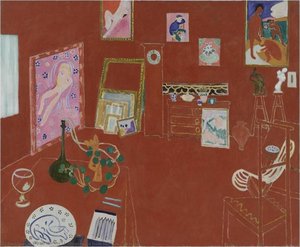
Henri Matisse’s “Three Sisters” stands as a testament to the artist's masterful command of color and his unwavering belief in its expressive power. Painted circa 1906-7, this vibrant triptych embodies the culmination of Matisse’s explorations into Fauvist principles—a movement that championed bold, non-naturalistic hues as a means of conveying emotion rather than representing reality.
The painting depicts three women seated together in what appears to be a dimly lit interior. The composition is strikingly simple yet profoundly impactful; Matisse eschews detailed rendering in favor of flattened planes of color—primarily shades of ochre, crimson, and lemon yellow—that dominate the canvas. These hues aren’t merely decorative; they pulsate with energy and imbue the scene with an atmosphere of warmth and intimacy.
Matisse's technique is characterized by loose brushstrokes and a deliberate disregard for traditional perspective. He applies paint thickly, creating textured surfaces that capture the interplay of light and shadow. The artist’s focus isn’t on capturing precise anatomical details but rather on conveying the essence of human presence—the subtle gestures and expressions of the women communicate a sense of quiet contemplation and connection.
Historically, “Three Sisters” reflects Matisse's engagement with Symbolism and Impressionism, movements that sought to capture subjective experience. However, it firmly establishes Matisse as a pioneer of Fauvism, marking a decisive break from academic conventions. The bold color palette aligns perfectly with the movement’s ethos—a rejection of mimetic representation in favor of artistic intuition.
Beyond its formal qualities, “Three Sisters” resonates emotionally with viewers. The luminous colors evoke feelings of serenity and comfort, while the stylized figures invite contemplation on themes of femininity, companionship, and domestic tranquility. It's a painting that speaks to the human desire for beauty and connection—a timeless masterpiece that continues to inspire admiration for its artistic innovation and expressive depth.


1869 - 1954 , Prancūzija

Explore the vibrant revolution of Fauvism. Discover how masters like Henri Matisse liberated color from reality to express pure emotion. An expert guide into the 'Wild Beasts' of modern art history for collectors and enthusiasts.


Sekite naujausias meno naujienas, išskirtinius pasiūlymus ir dekoravimo idėjas.
Pasakokite mums apie savo projektą, o mūsų meno ekspertai parengs jums 3 asmeniškus meno pasiūlymus.
Leiskite mums parinkti 3 variantus būtent jums – nemokamai!


 Peržiūrėti realybėje
 Pasidalinti
 Dalintis
 Išsamiau

 Atsisiųsti
 Panašūs eksponatai
 Rentgeno nuotrauka
 Automatinė diorama
 Skaityti daugiau







 Stiklo variantas prieinamas tik pasirinkus dydį iki 110 cm